Writing Fantasy Battle Scenes: From Dice to Prose
by Brandy Stoker
Writing fantasy battle scenes that feel realistic, immersive, and unpredictable is something I've learned to approach differently through my years of playing tabletop role-playing games (TTRPGs).
As an author of many dark fantasy stories and someone who has enjoyed Role-Playing Games (RPGs) for years, I have found a way to bring these two skills together. In publishing the five books I have already released, and the twenty I have written but not yet published, I have used these skills to my advantage in creating my world, Mordovia, and the stories I have placed within it.
Action and adventure in a good story can be either the kiss of death or the part that pulls a reader in. As someone who loves a good tabletop game, I find the raw chaos of a gaming table battle the perfect backdrop for a well-thought-out, immersive battle scene in a book. RPGs aren’t just entertainment. They are lab experiments that involve tactical knowledge, character agency, action economy, and physical stakes. All of these are key to a good story battle, as they can shape pacing and post-battle resolution mechanics.
Action Economy & Narrative Pacing
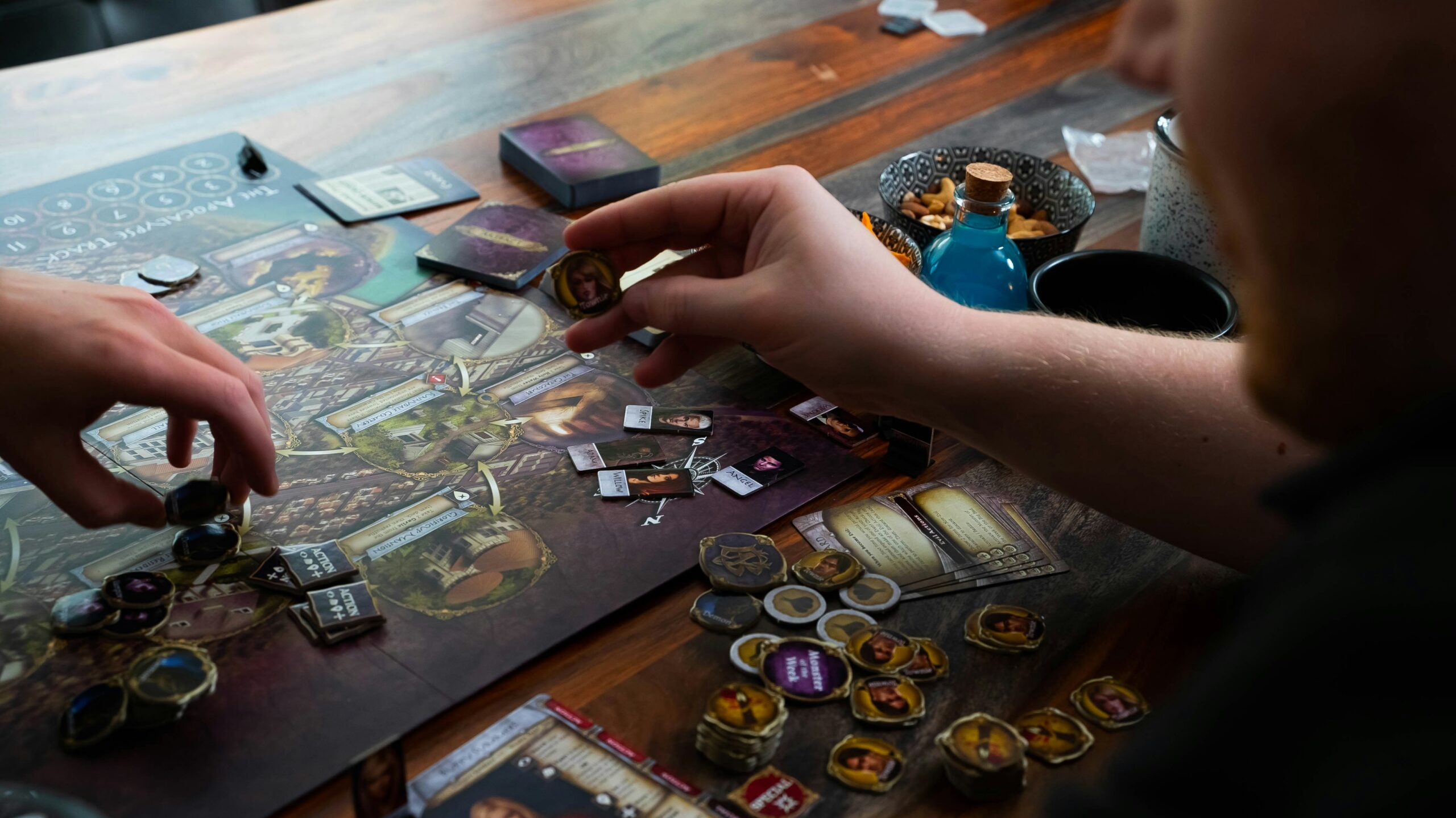
If you have never played an RPG, I highly encourage it. The Dungeon Master (DM) leads a group of adventurers and their characters through a battle scene, with each player having one time-bound move, while also allowing the other creatures or beings in the battle to participate. Players know their character’s backstory, skills, experience, and abilities, which influence how they move through the battle. The DM then manages each of the other monsters or beings, tracking their spatial awareness and positioning using a map or grid system.
From the first attack to the last, the DM knows who is doing what at all times and ensures the battle is as realistic as possible within the set world rules. This is similar to what an author needs to do for their story, so I do the same when I write my stories in my fantasy world of Mordovia.
Once I know what each person does or doesn’t do in the battle, I stress-test the tactical logic by running through iterations of the battle, changing variables to get the most exciting outcome. This creates a fog of war, giving the strict Point-of-View (PoV) limitation and claustrophobic pacing the character might feel. Then I go back through the battle and limit the view to what the PoV character would see or do. A character who is deep in a battle between two assailants would not notice what someone on the other side of the battlefield is doing at that moment, or they would risk injury.
By focusing on that PoV, I can narrow the story to what that character would witness, then summarize or address the outcomes of other actions after the moment passes.
Environment as an Active Player
Sometimes combat terrain can be the hazard, weapon, or obstacle in the story. Whether it provides cover, weather, hazard zones, or interactive elements such as collapsing bridges, loose gravel, or pitch darkness, each plays a role in the battle. Forcing characters to react to environmental changes rather than static blows is another way the DM can affect the story.
The reader will lose belief in the story if environmental challenges don’t show up. By analyzing a battle sequence where terrain features, line-of-sight, or harsh environmental conditions dictate tactical choices, a DM's skill set gives an author another tool for writing fantasy battle scenes.
Character Class Mechanics & Tactical Synergy
RPG games use character sheets with a select scoring of points for skills and experience. A spellcaster who spent decades learning their craft won’t easily swing a broadsword without serious narrative justification. Magic should have limits, including physical exhaustion, ammunition, and stamina points, since these should all limit the character. Give each element a dice roll.
An overpowered character who blasts through all barriers and is far superior will not give the reader the edge-of-their-seat action they want. They need tension in action sequences where they can’t assume the outcome.
Hit Points, Damage, and Real Physical Consequences
In RPG games, deconstructing and translating stamina, momentum, armor durability, luck, and eventual physical injury into hit points (HP) is a game mechanic in itself. Using a generic tabletop game (TTG) system as a base for your story development is the easiest way to determine the damage and consequences characters will face.
Understanding how wounds alter a character’s fighting ability, decision-making, and emotional state in battle is also key for DMs and authors. A character sliced in the arm will not be able to strike at full force.
In gaming, advantages and disadvantages come into play when showing luck. This can affect disarm attempts, equipment failure, critical strikes, and any battle-altering momentum.
The Player Mindset
Giving each character distinct tactical motives rather than moving them like passive chess pieces is one of the best ways an author can bring realism to their writing. This includes the monster or other being in the fight. The backstory or motivation of each moving figure on the battlefield will affect their movements, whether the moves make it onto the page or not.
Combat objectives should go beyond “kill all enemies.” Few characters kill indiscriminately. The more believable your characters, the more they will stand out to your readers.
Failure, miscalculations, or botched attempts drive character growth and narrative complications. If, while rolling, you get a bad dice roll and a critical hit occurs, use it as part of the story to move the storyline forward. As an author, it might not fit with what you are planning, so you might need to re-roll. When possible, include it, as it adds realism to your battle. Not every hit will be perfect.
From Table to Page - Writing your Fantasy Battle Scene
Using this game dynamic in your writer’s toolkit will help when you're writing fantasy battle scenes, giving your story the realism readers want. By adding visceral sight, sound, smell, and tactile feedback to the action, you can pull the reader deep into the moment.
After the full step-by-step action of each roll and character move is complete, limit it to what the PoV can see or feel to cut combat bloat. It also gives the writer a better sense of when to zoom in and out of a scene, since the character pauses in the fight.
Below is a practical 5-Point checklist for authors to run through before writing fantasy battle scenes.
- What are the win/loss conditions besides “Kill them All”?
- What dynamic elements in the arena will affect movement, line-of-sight, or serve as a tool?
- Does each participant have a distinct tactical role, purpose, and clear physical placement?
- What finite resources (magic, stamina, armor, ammunition) will be drained or damaged?
- What unexpected failures or surprises will you be looking for as a writer?
Final Lesson
The synthesis of gamer mechanics and the craftsmanship required for novel writing can elevate writing beyond a basic battle, making it compelling and leaving the reader enthralled. Treating your characters like every spell or sword swing matters keeps the audience on the edge of their seats, waiting to find out what happens next.
Have you ever used tabletop RPG mechanics to write a battle scene, or do you have another trick for making fantasy combat feel realistic?
* * * * * *
About Brandy

Brandy Stoker is a storyteller at heart, weaving tales of love, resilience, and self-discovery that captivate readers and linger in their minds long after the final page. Raised in Bel Air, Maryland, Brandy draws inspiration from the charming landscapes and vibrant communities of her hometown to create relatable characters and vivid settings.
With a knack for exploring the intricacies of relationships and the beauty of unexpected connections, Brandy Stoker has earned a devoted following among romance readers. Her books blend heartfelt emotion with poignant themes, delivering stories that celebrate the power of love in all its forms.
When Brandy isn’t dreaming up new stories, she can be found sipping coffee watching koi on a cozy deck, playing Dungeons and Dragons or Board games with friends, or working with statistics and finance. An advocate for following one’s passion, Brandy encourages readers to embrace the joy of life’s surprises and believe in their own happily-ever-afters. A series of health scares and messy divorce left her embracing life and enjoying life on her own terms. This appreciation of independence and encouraging readers to find their own, comes through her books and offers readers with real situations that may help them in their own lives.
Tagged as:
Subscribe to WITS



Recent Posts
- Writing Fantasy Battle Scenes: From Dice to Prose
- 2,500+ Posts Later: What I've Learned Hanging Around Writers
- Setting the Scene in the Age of Instagram
- Beta Readers: A Fresh Perspective
- We Don't Need No Stinking Rules!