by Lisa Norman
I have a magic wand to share with you. If you use it, it’ll change your brain chemistry, make you a more interesting person, fight boredom and dementia, and increase your adaptability, making every day of the coming year just a tiny bit easier.( The Top 7 Benefits of Learning a New Skill - CCSU)
I’m talking about picking one aspect of your life that you find frustrating, one skill that is holding you back, and tackling it.
Forge a Happy New Year
As we look back on this year and think about our goals for the next year, this is a great time to isolate one thing that if you could make it better, your whole life would change.
However, some of the most life-changing skills are not the ones you might think of.
One of my students used to dread opening her email every morning. She had thousands of unread messages, many of them urgent or important. She felt overwhelmed and anxious, and often missed deadlines or opportunities. After learning how to use her email program effectively, she was able to clear her inbox in a week and keep it that way. She learned how to archive, search, and snooze emails, as well as how to flag spam, unsubscribe, and recognize phishing attempts. This skill has made her more productive, organized, and confident.
It took her less than a day to learn how her email program worked, but she hadn’t thought about it as a thing to be studied until we covered “inbox zero” in class.
When I teach basic tech classes, I'm stunned by how many people secretly believe that everyone else somehow magically understands how tech works... without ever taking a class or setting aside a few days to learn how their new software works. They think other people somehow intuitively learned to use the technology in their lives, not realizing that everyone has had many moments when they come to a piece of technology as a complete newbie and they either read a manual, get someone to teach them, or set aside time for practice.
Daily Tech Skills
One of my students lived in a perpetual state of fear that her computer would fail, and she’d lose her stories. We took some time and investigated her cloud backup options. She discovered that she was already paying for space that she wasn’t using. We created an organization system and backed up everything in the cloud for her. When her computer crashed a few months later, she didn’t lose any data. Her new computer synced up with her backup and she was back at work on her novel in a day.
What would your life look like if you had an organization system set up where you could find not only the latest version of your book, but also your blurb, cover files, and even the list of people to include in the acknowledgments?
Here are some other basic tech skills that might be life-changing:
- Learning how to use your computer's internet browser
- Learning new features on your phone
- Exploring the tech in your car
And this one is controversial: How many of your programs now include some sort of AI help? Have you tried it? This doesn't have to be a scene from the movie War Games. I've been surprised how many times I can take a problem and drop it into an AI and cut my workload in half. Don’t use AI as a writer. Use it like a virtual assistant. Expect to rewrite, fact-check, and improve.
Writing Skills
This most fundamental part of our careers embraces a wide range of skills.
Are you looking at starting a new series and questioning if you have enough knowledge of the time or the culture that you want to portray? Do a deep dive on the time, place, or culture you want to focus on.
How about learning to use a piece of writing software?
- OneNote, Joplin, or other note taking software (replacements for Evernote)
- Scrivener
- Word
- World Anvil
What if you focused on mastering:
- Plot structure
- Dialogue
- Showing emotions
Editing Skills
You might want to learn:
- ProWritingAid
- AutoCrit
- Track changes or comments in Word
I've watched my favorite editor teach her clients to use track changes and comments in Word many times. Professionals know how to use these features. Are you just using a tool to get by? Or are you taking advantage of powerful features that are there to help you?
Career Building Skills
How about taking a master class from one of your favorite authors?
What about taking a class in legalese for writers?
Marketing Skills
Would you benefit from a basic marketing class?
Or do you want to explore:
- Pay per click advertising
- List building
- Blogging
- Newsletters
Is this the year you finally build that website? Or the year you finally start using the one you built a few years ago?
Don't say "all of it!" Because “all of it” will be the same as learning none of it.
You want to pick one thing.
Just-in-time learning is important.
Don't spend a ton of time learning to market while you are writing your first book. Why? Because marketing will have changed by the time you're ready to dive in. The pace of technological change is increasing daily. You want to learn just enough to get by, leaving your deep-dive time for things you need right now.
For instance, if you are writing your first book, you might not need to worry about how to use TikTok or Clubhouse to promote your book. By the time you finish your book, there might be new platforms or features that you will want to learn to reach your target audience.
I see writers beating themselves up because they don’t know all the things. They get trapped in a loop of studying and learning and don’t move forward. Don’t get stuck! Pick just one thing that you can learn that will help make every day better.
Last year, I committed to learning how to edit and finalize a novel. I learned a lot, but got distracted by moving my school to a new platform. I didn't put everything I'd learned into practice, so I'm carrying that goal into this next year. I'm set up for success, and excited to see what 2024 brings.
What are you waiting for? Pick one skill that you want to learn and start today. You will be amazed by how much it can change your life for the better.
Let me know in the comments what skill you have chosen and why. I would love to hear from you!
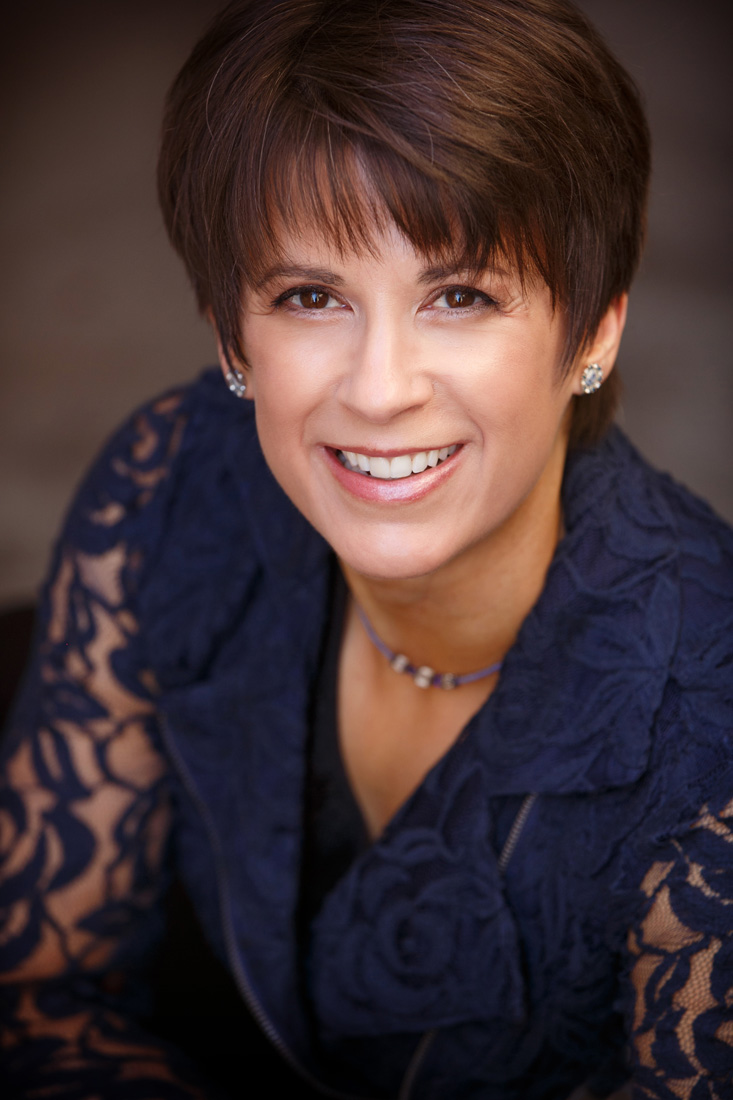
About Lisa

Lisa Norman's passion has been writing since she could hold a pencil. While that is a cliché, she is unique in that her first novel was written on gum wrappers. As a young woman, she learned to program and discovered she has a talent for helping people and computers learn to work together and play nice. When she's not playing with her daughter, writing, or designing for the web, she can be found wandering the local beaches.
Lisa writes as Deleyna Marr and is the owner of Deleyna's Dynamic Designs, a web development company focused on helping writers, and Heart Ally Books, LLC, an indie publishing firm.
Interested in learning more from Lisa? Sign up for her newsletter or check out her brand new classroom where she teaches social media, organization skills, and marketing for authors!