I’m not one of those people who always knew I wanted to become a writer, especially not a fiction writer. I took a couple of creative writing courses during college and grad school out of curiosity. Let’s just say it wasn’t a natural fit. My creative muse laughed her butt off at me with each attempt.
But I thoroughly enjoyed writing and editing, and my first job as an editor at a trade publication was a dream. Then I switched to marketing and corporate communications. After fifteen years in the corporate world, I came to a somewhat sad realization--I'd abandoned all of my creative outlets. I’d started college as an art major. But along the way I stopped drawing and the only time my camera came out anymore was to take pictures of my new-born son or the cats.
When I told my husband I needed a creative outlet, he suggested I take the story ideas I kept torturing him with, and write a book. Snort … me, write a novel? Seriously? But the idea was planted and the more I thought about it, the more appealing it sounded. After all, I had nothing to lose. I signed up for a workshop, wrote a first draft, and fell in love with writing fiction.
Writing that first novel turned out to be the best (and cheapest) therapy possible. I found that creative spark that had been buried under years of corporate deadlines. As the workshop came to a close, the topic of publication was discussed. Woah! I hadn’t actually thought about publishing my book (okay, not quite true—there was that little fantasy about seeing my name on the bookshelves next to the authors I read).
But, the idea was planted. I submitted. I even received requests and positive feedback. That fueled another manuscript and more requests and more positive feedback.
With each new project, I found myself staring at the brainstorming board and asking more pointed, business related questions. What is the commercial hook? Is it high concept enough to sell? What’s the underlying theme I hope the readers will take away from this book?
About a month ago, I read an article in The Atlantic. The writer interviewed novelist Andrew Dubus III about the challenges and joys of writing without pre-determination. Mr. Dubus said: “When I began to write, I was deeply self-conscious. I was writing stories hoping they would say something thematic, or address something that I was wrestling with philosophically. I’ve learned, for me at least, it’s a dead road. It’s writing from the outside in instead of the inside out.”
I was frustrated with a story idea because the “high concept” felt puny and I couldn’t get to the heart of what I really wanted to say. I was trying to write from the outside in. That’s when the idea of a summer “writing vacation” came about. I was going to find that creative spark again and NOT worry about writing for publication. Cool idea, right? (For those of you who read my June post, we’ll take a quick break until you stop laughing.)
Shiny, fun new idea? Check. Let the brainstorming begin. Then in the middle of a frustrated rant, Laura called me out on the burr I was sitting on—my brainstorming had shifted to “does this idea have potential for a sale?”
Mr. Dubuis, in that same article wrote: “I do not ever think about career when I’m in my writing cave. I do not. I try not to think; I dream. It’s my mantra. I just get in there and try to be these people.”
Granted, he has a writing career that, he admits, is how he makes most of his living, but what he said hit home. The creative spark burns best when I let myself dream. It took some mental bargaining and bribing but I finally managed to let go. And guess what? The new story started coming alive and the “people” are keeping me company everywhere I go. I have a bunch of what ifs and plot ideas on the white board that came from dreaming up twists. But I will confess that there are three words I haven’t erased at the very bottom of the board—“high concept enough?”
So, here are my questions to WITS readers:
1) Once you’ve decided you want to become a published author, can you write without that constant thought of “will this idea sell” coloring your story decisions? Should you?
2) Are you able to compartmentalize—career thinking only in the business cave, not the writing cave?
3) And here’s a twist, can you read a novel without thinking “what made this a best seller” or “what about this concept/writing attracted an agent/editor”?
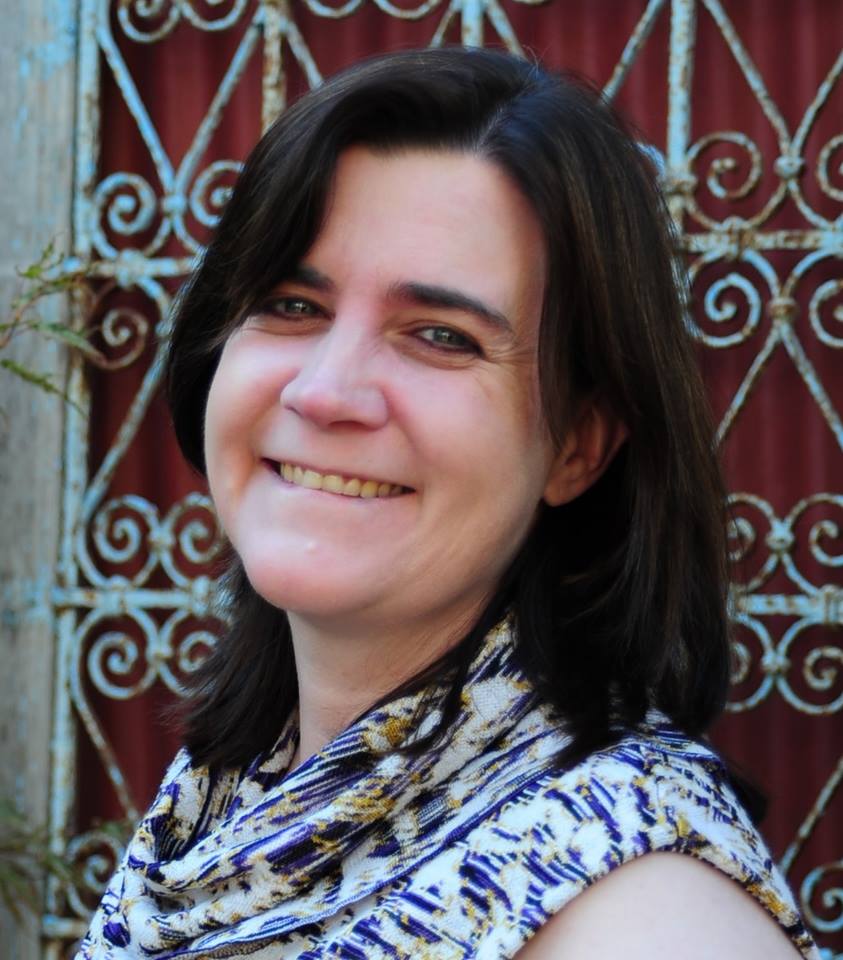
About Orly

After years of pushing the creativity boundary in corporate communications, Orly decided it was time for a new challenge. Three women’s fiction manuscripts later (plus a handful of picture books), it’s safe to say she’s found her creative outlet. When she’s not talking to her imaginary friends, she’s reading or at least trying to ignore everyone around her long enough to finish “just one more paragraph.” Orly is the founding president of the Women’s Fiction Writers Association.
You can find her on Twitter at @OrlyKonigLopez or on her website, www.orlykoniglopez.com.