Writing is the Best Job Ever!
Where else can you show up to your desk for work in your comfortable robe and slippers? No commute, no bossy co-workers, no meetings.
Writing is a great excuse to get out of social obligations -"I'm working on deadline"- and the perfect write-off for visiting, uh-researching, areas of interest.
You are your own boss and you set your own schedule.
The problem is...
Well, there are a number of problems.
As with any job, you've got to show up. If you don't sit at the computer, the book doesn't get written. And it's easy to get distracted at home with all those pesky adult responsibilities. Particularly when the words are not flowing out of your fingertips. If you don't already know how many hours it takes to get ten pages of first draft work completed, time yourself. Multiply that by forty for a four-hundred-page book (it'll be edited down) to get an idea of just how much seat time is necessary to finish your manuscript, and maybe you'll see why it's taking so long to finish your novel.
You do have "bosses", even if you self-publish. Someone is giving you completion dates, critiquing your work, designing your cover, writing your blurb–even if that someone is you.
You have a whole new set of social obligations: setting up your platform and social media presence. That two-hour luncheon with your friends is nothing, compared with the time sump Facebook and Twitter can become, to say nothing of Pinterest and Instagram.
Research takes time. If you like to research before you start a book, you know how research can put off the start of your novel as you acquire more and more juicy details to reveal to your readers.
It's only you. You must be your own boss and you must stick to a writing schedule. The sad truth is your book is not going to write itself. Words will not magically appear in the computer file. (I know this--I've done the research!) If you cannot "be the boss" and show up for work every day, writing is not your job. And, particularly with this configuration of publishing and self-publishing, you need content to market. That content is how you will earn your paycheck.
So how can you make the Best Job Ever work for you?
• Make a schedule for your writing. Choose a reasonable amount of time to work, based on your other 'jobs'. Try your schedule out for a week. Stick with it, even when it's difficult or "life happens." Note difficulties, time crunches, places where you have "wiggle room." Refrain from cleaning the bathroom during your writing time. After that first week, adjust your schedule to fit your other needs. Set a goal for a certain number of words every week.
• Accountability. Share your writing schedule and word count goal with those closest to you. The people who will be most affected by your success as an author deserve a chance to support you. You may be pleasantly surprised when you enlist their aid, even if it's simply a remark at the dinner table or a quick e-mail note. Writers in particular do not work best in a vacuum.
• Marketability. Part of your job as a writer is your social media. Setting up and maintaining your accounts and website "count" as work hours. However, published authors agree that every hour on professional social media contacts should be balanced with three hours of writing. Games and Facebook videos of cute animals do not count in your work time. Save them for your "off hours."
• Feedback. When I'm writing, I make sure I have at least ten pages a week to send to my critique partners. I critique their pages. You will improve your craft by consistent writing, editing others work, and revising your own work based on critiques from trusted partners. Set aside time in your schedule for critiquing.
• Education. Include at least an hour a week to read blogs about writing, an online class, or books about specific areas you want to improve. A professional needs ongoing education and strives for excellence. As a professional writer, this is part of your job, too.
Even if you can only schedule five hours a week– three hours of writing with a goal of ten rough-draft pages, one hour for social media, and one hour for growing your craft– at the end of a year you'll have finished a book and have a platform. Yes, it boggles the mind. But what blows my mind even more is how much more I can accomplish with double that investment.
I know it's a little early for New Year's Resolutions. I'm no good with those anyway. But this is a workable plan for me. It's got accountability, motivation with goals for word count, new learning to keep me interested, time for my critiquing responsibilities here at Writers in the Storm, and space for that time sump called social media.
So, I'm sharing my new schedule with you, my writer friends. I'll check in periodically and let you know how it's going.
How many hours a week are you writing now? Do you have any other tips for showing up for this job of ours? How do you manage to stay on track to finish your book?
About Fae
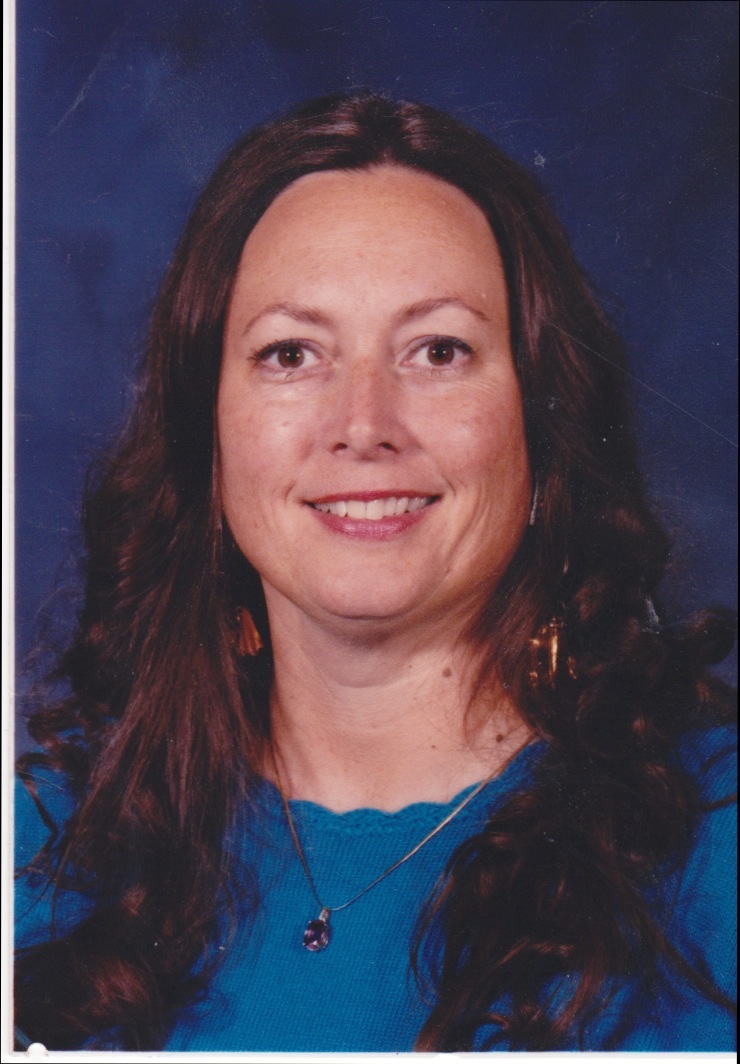
Punished, oh-no, that’s published as a co-author of a math textbook, she yearns to hear personal stories about finding love from those who read her books, rather than horrors of algebra lessons gone wrong. She is grateful for good friends who remind her to do the practical things in life like grocery shop, show up at the airport for a flight and pay bills.
A “hard” scientist who avoided writing classes like the plague, she now enjoys sharing her brain with characters who demand that their stories be told. Amazing, gifted critique partners keep her on the straight and narrow. Feedback from readers keeps her fingers on the keyboard.
When she’s not hanging out at Writers in the Storm, you can visit Fae at http://faerowen.com or www.facebook.com/fae.rowen