

I’ve befriended many bestselling authors, online and in person, who want to help new writers. They’ve advised me, allowed me to guest post on their blogs, and have written blurbs for my work. They pay it forward. Someday you will too.
You are an author (or will be!) and it’s important to surround yourself with your author community. You are a member of the party now. And every party needs people to make it successful! ?
Act respectful, professional, and positive in your reaching out to other authors and they will reciprocate. These people can be your biggest influencers when it comes to industry advice and connections with agents, editors, and publishers.
First — how to FIND Comparable Authors
- Start with authors you are familiar with in your genre and connect online and in-person.
- Conduct research to find other successful authors in your genre and connect with them online.
- Are you a debut author? Connect with other debut authors. Search online for “debut authors” and the year your book releases, plus “your genre,” to locate comparable debuts. On Goodreads, search in Lists for debut books by year and genre to match yours.
- Go to the Amazon page of a similar author in your genre. Click on their books and scroll down the page to see books readers also bought like theirs. Hop on over to those book pages and check out those authors to see if a good fit for you to connect with as well.
Second — How to CONNECT with Comparable Authors
- Add new author connections to a special private Twitter list called “Comparable Authors” and connect with them there on a regular basis and give them a shout out.
- Engage on their Facebook author pages with useful, positive comments. Share their posts to your audience.
- Comment on their blog posts with a useful remark or refer to something that you connected with in their post. This is a helpful tactic to draw the author and their followers into a conversation there, and they may connect back to your website and follow you online.
- Connect via a conference, book event, or convention. In connecting with authors online, check out their events page to see what events they may be attending in person. Are any local to you or ones you have an interest in attending? Be sure to connect in person at the event. Share why you love their books or follow their blog. Ask them a question that shows you’re interested in their work or ask for their best bit of advice for new authors on how to build a reader audience. Email them or post on social media after the event, letting them know you enjoyed meeting them and thank them for their time.
- Ask the authors you engage with to guest blog on your blog. Authors love to be interviewed and provide guest posts, if they have time. It’s exposure for them and you – and content for your website!
- Ask if YOU can guest blog on their blog and pitch an article idea that fits their audience (most folks love content for their blog!). I’ve had authors on group blogs ask me to fill in their monthly date spot if they are too busy.
- Join a group of debut authors. Start your own group if none! A book marketing collective is a strong way to help boost other authors and your own books. There is power in numbers. Banding with similar authors is a wonderful way to reach potential new readers while building a writer community as a resource
Be Sure to Avoid This Rookie Mistake:
Spamming an author’s Facebook wall and tagging them with your book or other promotion.
Go the Extra Mile:
Reach out to co-author blogs in your genre and ask if they are accepting new members as well as guest posts.
Banding with similar authors is a wonderful way to reach potential new readers while building a writer community as a resource.
Have you banded with other authors to build your influencer network? What worked for you? What are you willing to try that you haven’t done yet?
* * * * * *
About Donna
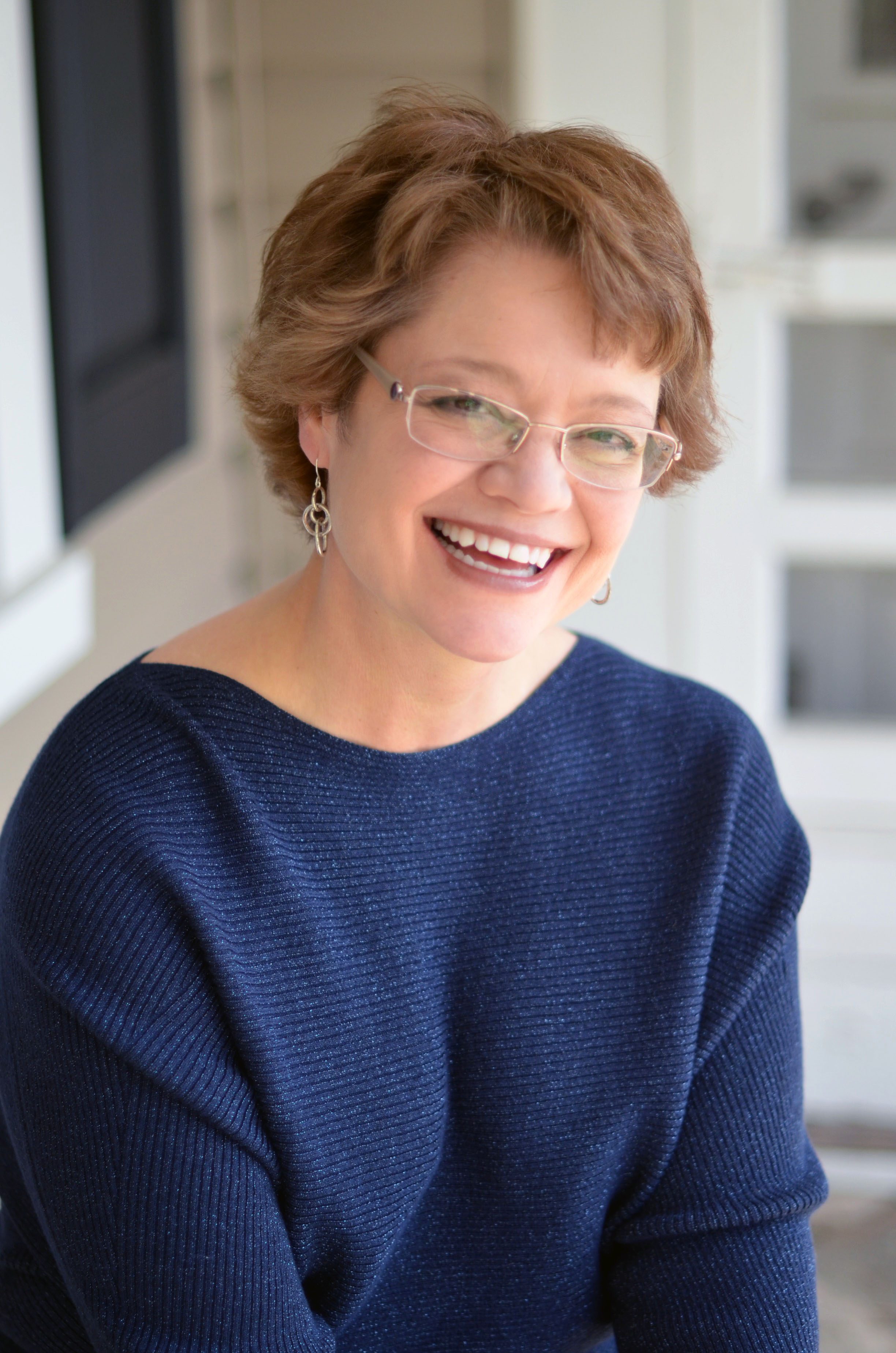
Donna Galanti is the author of the bestselling paranormal suspense Element Trilogy and the children’s fantasy adventure Joshua and The Lightning Road series. She is represented by Bill Contardi of Brandt & Hochman Literary Agents, Inc. Donna is a contributing editor for International Thriller Writers the Big Thrill magazine and regularly presents as a guest author at schools. She’s lived from England as a child, to Hawaii as a U.S. Navy photographer.
Donna has long been a leader in the Mid-Atlantic writing scene as a workshop presenter and is a writing contest judge at nycmidnight.com. Donna also loves teaching writers about building author brand and platform through her free training series at yourawesomeauthorlife.com.
Visit her author website at donnagalanti.com.




