Writers in the Storm

A blog about writing

storm moving across a field
7 Things Authors Must Do Differently in 2017

Penny C. Sansevieri

If you’ve ever thought that the publishing industry is tough to figure out, you’re not alone. In fact, I once had an author tell me that getting into publishing is sort of like building a house without any plans. There’s a lot of information out there, but it can be overwhelming or even confusing, and certainly ever-changing. It may seem simplest to jump right in with both feet, just to start somewhere. This often comes with a price. The good news is that although the challenges are real, they’re relatively easy to overcome. So in order to make the most of your efforts in book marketing, here are some things you must start doing differently this year!

1. Do Proper Market Research

First things first – it’s time to decide if there’s a market for your book. And, you need to be honest with yourself. If you’re writing a romance novel, then the answer is probably yes, but if you are writing something vastly different – let’s say a self-help book for guys, you may want to reconsider. Why? Because 93% of self-help is written for women.

And, you should go with your skillset. You may have dreamed of writing the next great American novel, but if you have a knack for writing sexy erotica – go with it! Next, be honest with yourself about who will really buy your book so you can start figuring out the best places and avenues to reach them. Don’t be afraid to narrow your audience to a core group. It’s tempting to want to reach everyone, but it’s not realistic.

2. Build Your Tribe

We hear this a lot: build your mailing list, grow your fans on social media! But what does that really mean? This big statement and action can seem a bit daunting, so let me break this down for you. What this really comes down to is you need to own your fans, by this I mean get to know them and engage with them. We’re getting to the point where any consumer has thousands upon thousands of choices on Amazon and while it’s great to optimize that page, that alone won’t make the sale. So do whatever you have to build your mailing list. I’ve talked before about having a letter in the back of your book, and finding ways to get fans from your book, into your inbox. Another way is to start an exclusive group on Facebook where you offer exclusive content, prizes, etc. Building your fan-tribe will be enormously important as you continue to market your book.

3. Consider Joint Promotions

More and more I’m seeing authors collaborate on promotional efforts. First it was via bundled book sets, now I’m seeing this in other campaigns. We’re actually in the process of developing a number of collaborative campaigns – so several authors of the same genre are bundled in one, powerful campaign. This is a way of helping consumers “find their next favorite author” but there’s also power in numbers. So several authors together, marketing collectively and then to their core audience is a great way to gain more steam than going it alone.

4. Use A Professional Cover Designer and Copy Editor

Two of the biggest book killers for books are bad covers and bad book descriptions. The solution to this is easy – hire a professional! There are lots of great referrals out there, so a little research will go a long way.

If you’re looking at your book cover and aren’t sure if it’s good, take a look at some of the top books in your genre. The similarities will give you insight as to what appeals to your market. Cover design is very psychological, and it’s far more important than honoring a friend’s artwork. Don’t make me give the lecture on using Word to do your design, or having someone hand-draw your cover art.

When you’re ready to tackle your book description, keep in mind that just because you can write an amazing story does not mean you can write good sales copy. It’s really apples and oranges, so don’t take it personally. You also have to realize we’re often too close to our work to write compelling copy, so enlisting the help of a professional comes with the added bonus of an unbiased view of your work and what you have to offer potential readers.

As you prepare to start looking for someone to help you write copy, it’s important to find someone who has specifically worked with books and book copy. Yes, you might know someone in marketing that’s a great copy writer, but someone who works in publishing knows the importance of using key words in your genre and should also be on top of what’s working for bestselling books, what readers respond to. Again, be sure to ask about fees, how many edits you get, etc.

Be prepared to provide your copy person with some key information: Who is your buyer? What makes your story or approach to topic unique? What do you want people to take away from the book? Don’t expect the person writing your book description to read your book cover to cover – they will depend on you for the Cliff’s Notes.

5. Take Advantage of Every Opportunity

Occasionally I work with authors who turn down an interview opportunity, guest blog post or podcast interview. The reason? They aren’t sure that the site is big enough to make them famous. This always baffles me. Do you know how Chicken Soup for the Soul got to be such a huge, household name? By doing every single interview, regardless of size or hour (sometimes a radio interview at 3am). You are not too good for anything. Period. As a rule, the most successful authors take advantage of every opportunity for exposure that they come across. That means every guest blog post, every review request, every interview. Mail the book. Write the article. Do the interview. And, big media won’t take chances on things that won’t improve their ratings or viewer/listener/readership. So first, take advantage of the smaller opportunities, because they’ll build on one another to create a buzz, and that is what will help garner big attention.

When you’re pitching media, don’t consider it one and done. Do the follow up. When something comes up in the news or popular culture that you can tie into your book, re-pitch them using the new angle. Even smaller regional media is inundated with offers, so this is not an area to skimp on time.

Be sure you’re offering something unique. What makes your book special? Why is it different than the other 10 books they already own in your genre or topic? Whoa, that’s sobering, right? If you want to secure an interview, give them topic/discussion ideas. The less work you make them do to say ‘yes’ the better your chances.

6. Consistently Run eBook Promotions

People love sales year round. While it’s normal to question discount promotions after spending your time and hard-earned money to get the book to market, you can’t beat the exposure you’ll get from running a limited time discounted promotion. It’s a proven strategy that works time and again to get your book in front of people who might not otherwise consider it. And remember a discount doesn’t have to mean free. You can discount your book to $.99 or $1.99 and still get a ton of people to download it, especially if you ask your current fan base and author friends to help spread the word 

In terms of the “how,” there are lots of eBook promotion sites out there. Some are paid, some are free, all have rules. Take the time to develop a list of go-to sites you can use that fit your needs and flexibility with pricing requirements, and create a calendar for yourself that ensures you’re doing these at least a few times a year.

7.  Start Writing Your Next Book

So you just published a book? Great! It’s time to get started on your next book. First, you shouldn’t put all your eggs in one basket. Although it’s not impossible to retire off your first book, it also isn’t likely. Plus, this goes back to building your tribe. If readers know you’re a sure thing, and they see that you’re working on the next book, they’ll probably become long-term fans.

And, since you’re also going to be spending time marketing your new book, be sure to schedule in writing time. Write every day or at least every week, no excuses. If this is important to you, and you’re serious about your success as an author, you will make it a priority like your health, or your best friend, or time with your kids. It’s that important.

Also, your next release doesn’t have to be a full-length book – novellas or shorter books (50-75) pages are doing really well as eBooks. So definitely consider adding shorter books as in-between titles to keep building your shelf.

Bonus Tip: Engage in Your Own Success

I have a special skill: I can walk into a room of300+ authors and pick out the ones who are going to be successful. How can I tell? I see the authors who carry business cards or bookmarks with them to every event. They want to learn, they engage other authors, and ask questions to find out what’s working and what isn’t. And, they spend any spare time to do something to further their success, even if it’s really small. They also know that they can’t buy their way into a bestseller. Spending tons of money on a publicity firm will have very lackluster results if you have zero interest in playing a leading role in your own success. You can pay people to do the heavy lifting, but no one will have the passion for your book that you do, so plan to do your part even when you hire someone. And play to your strengths – if you’re social, share your book with people everywhere you go. If you’re good online, pitch bloggers for reviews and guest posts. Get creative, and find something you can do every day, no matter how small.

The ultimate take away here, is that indie authors have a huge role in their own success. And while you can jump into the deep end of the ocean and start swimming, it’s my goal to empower you to spend minimal time just treading water. If you’ve made some mistakes with your first book (or books), then you can learn from them moving forward. Being an author comes with a lot of time and effort without a lot of guarantees. But, we never know where that one breakthrough opportunity will present itself, and it will never happen by sitting around and waiting for success to find you. You were inspired to create something, don’t let that fire die out!  Let’s make 2017 into your year.

About Penny

Author Markketing

Penny C. Sansevieri, CEO and founder of Author Marketing Experts, Inc., is a best-selling author and internationally recognized book marketing and media relations expert and an Adjunct Professor with NYU. Her company is one of the leaders in the publishing industry and has developed some of the most cutting-edge book marketing campaigns. She is the author of fourteen books, including How to Sell Books by the Truckload. AME is the first marketing and publicity firm to use Internet promotion to its full impact through online promotion and their signature program called: The Virtual Author Tour™

To learn more about Penny’s books or her promotional services, you can visit her web site at http://www.amarketingexpert.com. To subscribe to her free newsletter, send a blank email to: mailto:subscribe@amarketingexpert.com

Top photo credit: JaneB13 - Pixabay

Read More
Negotiating Options in Publishing Deals

Susan Spann

Susan Spann

“Option clauses” or “options,” are a provision in a publishing deal that gives the publishing house a “right of first refusal” on the author’s next work. While this initially sounds like a great idea – most authors want to continue being published – traditional option clauses often contain some traps that authors should avoid.

Here’s an overview of what authors should look for – and negotiate – in the option clause of a publishing deal:

1. “Right to Publish” vs. “Right to Negotiate.” The option clause should give the publisher the exclusive right to negotiate contract terms for publication of the optioned work – not the right “to publish,” and especially not the right to publish the optioned work on the same terms as the original contract. If the publisher wants the automatic right to publish author’s next book on the same contractual terms, the publisher should be offering the author a two-book deal from the start.

2. Option Limited to Author’s Next Book in the Same Series (or Genre). Many option clauses give the publisher an option on the author’s “next work” (without any limitations) or, worse, an option on all of the author’s future works. Options should be limited to the author’s next book-length work in the same series only (or in the same, specified, genre, for standalone books). Note: Limiting the option to “book-length” works prevents the option from including novellas and short stories.

3. No Limitations After the Publisher’s Refusal. Some option clauses try to limit or restrict the author’s ability to sell the optioned work, even if negotiations with the publisher fail to produce a contract. Some of these limitations state that, even if the option fails or the publisher rejects the optioned work, the author can sell the work only to a publisher that subsequently offers “better terms” for the work. Other option language gives the original publisher a right of first refusal to match any subsequent offers the author receives for the optioned work (even after the original publisher rejects it or if option negotiations fail). This is not fair to the author. Option clauses should not contain any language that limits the author’s right to sell the work, or to publish it elsewhere, if the publisher fails to negotiate an acceptable contract for publication of the optioned work during the original option period.

4. Time Limits On Option Period. The publisher’s option should be limited to a specific amount of time – normally 45-90 days, total, for review of the optioned work and contract negotiation. The clause should state that the publisher’s failure to make a decision, or reach acceptable contract terms, within that time will constitute refusal of the option work (which terminates the option). Otherwise, the author could end up waiting indefinitely for the publisher to make a decision, or stuck in contract negotiations that never reach an end.

5. Description of Option Materials. The option clause should specify whether the author has to provide the entire manuscript of the optioned work or merely sample chapters and a synopsis. The Author’s Guild recommends that options be based upon sample chapters, rather than full manuscripts, especially for established authors. While not all publishers will negotiate this requirement, it’s worth asking the publisher to consider sample chapters rather than a completed manuscript, especially for series fiction.

6. Timing of Delivery for Option Works. Some option clauses limit how quickly an author can deliver the option work for consideration. In many cases, the author cannot deliver an option work until after the publisher has accepted the work that’s governed by the contract (in the case of multi-book contracts, options normally aren’t considered until after acceptance of the contract’s final manuscript). Negotiate to ensure that any such limitations are reasonable and in line with your writing speed and career plans.

The good news is that many publishers will negotiate the option clause, as long as authors or their representatives ask for changes. However, authors should beware of publishers that refuse to negotiate harsh option language – especially options that give the publisher rights to “claw back” optioned works even after an initial rejection.

Do you have option clauses in your publishing contracts? How do you feel about options in publishing deals? 

About Susan

Ninjas-Daughter1

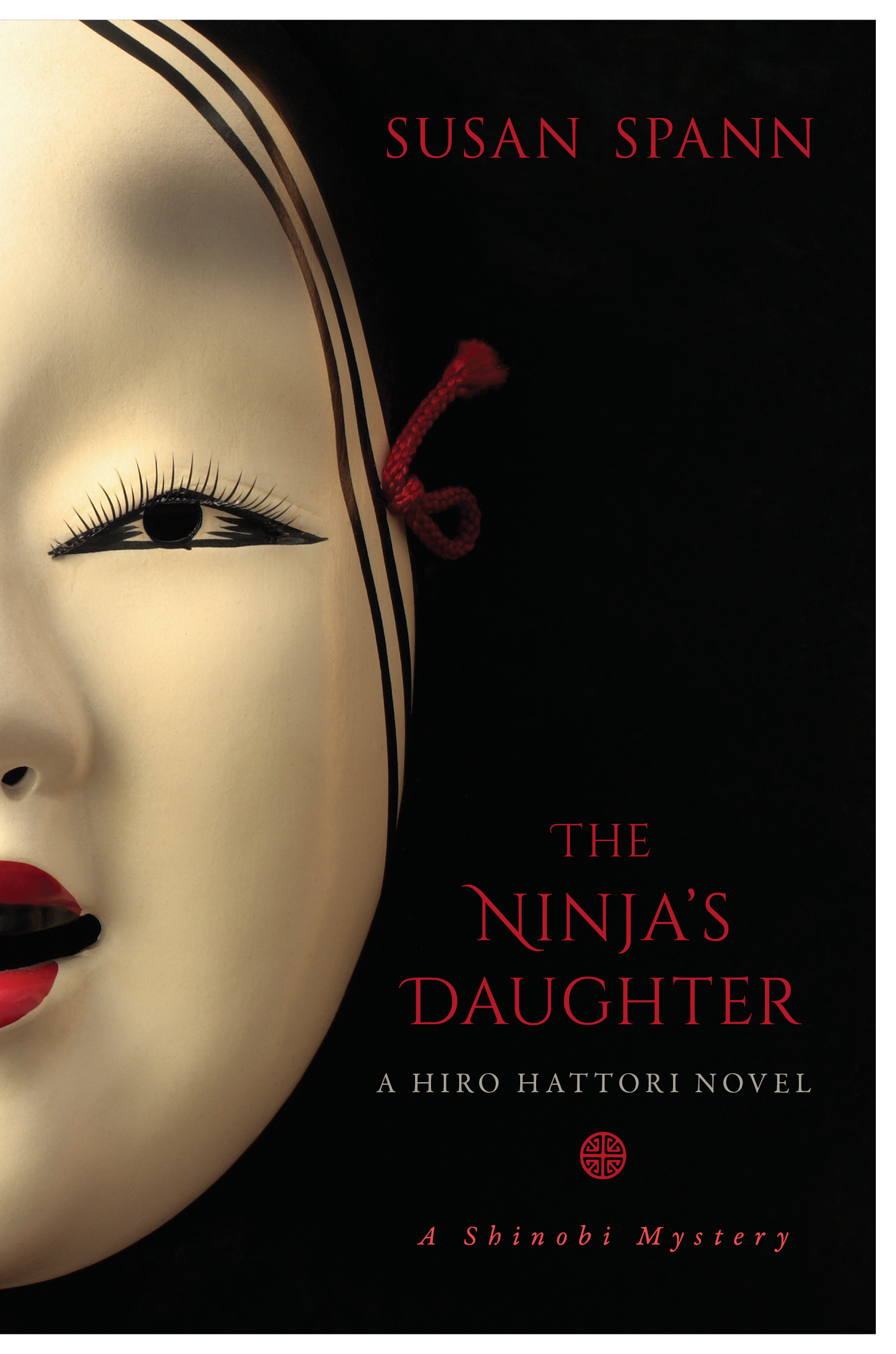
Susan Spann is a California transactional attorney whose practice focuses on publishing law and business, and is also the author of the Hiro Hattori (Shinobi) mysteries, featuring ninja detective Hiro Hattori and Portuguese Jesuit Father Mateo. Her fourth novel, THE NINJA’S DAUGHTER, released from Seventh Street Books in August 2016. Susan was the Rocky Mountain Fiction Writers’ 2015 Writer of the Year, and when not writing or practicing law, she raises seahorses and rare corals in her marine aquarium. Find her online at http://www.SusanSpann.com, on Twitter (@SusanSpann), and on Facebook (/SusanSpannBooks).

Read More
Knowing Your Limits as a Writer

Someone I know is going through a personal tragedy that has rocked my insides to the point I can't think about it without bursting into tears. The idea of dealing with something like this paralyzes me.

I was talking to a writer friend about it and her response was typically writerish - "Oh my god, you have to incorporate that into your book. You have to go there."

It's great advice. Use that raw emotion and make your reader feel every last gut wrenching sob. And I’m sure all of us have, at some point or another, used personal fears, heartbreak, experiences to push a scene to the next level.

I do it all the time. A character in my WIP is dealing with a situation similar to one I went through and there have been plenty of times that I’ve squirmed having to relive some of those emotions. It would be easier to stop, change the scenario, give my character a break, but then I’d have a far less satisfying book.

But with this situation, I won’t go there. Not can’t … WON’T.

Here's the thing ... I don't believe that if you wish for something hard enough it will happen or if you talk about a dream or fear it will come true. But I also have a teeny, tiny little part that doesn't fully not not believe it.

There are topics that I’m not willing to explore as an author because, to be quite honest, I’m afraid to know what it feels like to deal with it. I don’t want to ever have to know what it feels like, not even through research.

I admire authors who will take those gut-wrenching topics and break your heart at the same time they make you have to keep turning pages.

That's not me. That’s not why I write.

I write because it helps me sort through my thoughts and feelings. I write so that I can release those thoughts and feelings. I write because I enjoy writing. So why release thoughts and feelings I don’t want to sort through? Why write about topics that scare the crap out of me?

“Because it’ll make you a stronger writer.”
“Because it’ll make your stories richer.”

Maybe this makes me a lesser writer or a weaker person, but no. Just no.

As a reader, I choose what books I want to spend what free time I have with. And I’ll put down books that deal with issues I don’t want to read about. That’s not a reflection on the author. I’ve stopped reading some amazing books because I couldn’t go there. There are best-selling authors I steer clear of. Is it a negative reflection on me? Some people would say yes. I disagree.

There’s enough to be scared or unhappy about in this world and we all have our thresholds of where we’re willing to go emotionally.

As a writer, there are topics I keep closed in my heart. I’m afraid to let them out, not because of the complexity of writing those emotions – I can do that – but because of feeling those emotions – I won’t do that.

I will however, syphon the very last drop of emotion I can from the topics I choose to write about. I’ll write about overcoming betrayal and losing your self-identity. I’ll explore the heartbreak of a lost friendship and the turmoil over a decision that will turn your life upside down.

As a writer, I don’t owe my readers to go places I’m not comfortable going. There are plenty of other authors willing to go there instead. I owe my readers the best story I can tell. Those are the emotions I’m going to focus on.

Now I want to hear from you ... are there topics you avoid or do you push yourself to write about those hard to stomach issues?

About Orly

Orly-Ivy.jpg
distance-home

Orly Konig is an escapee from the corporate world, where she spent roughly sixteen (cough) years working in the space industry. Now she spends her days chatting up imaginary friends, drinking entirely too much coffee, and negotiating writing space around two over-fed cats. She is a co-founder and past president of the Women’s Fiction Writers Association, and a member of the Tall Poppy Writers. She is rep’d by Marlene Stringer, Stringer Literary Agency LLC.

Orly’s debut, The Distance Home, will be released by Forge on May 2, 2017.

You can find her on Twitter at @OrlyKonig, on Facebook at OrlyKonigAuthor, or on her website, www.orlykonig.com.


Read More

Subscribe to WITS

Recent Posts

Search

WITS Team

Categories

Archives

Copyright © 2026 Writers In The Storm - All Rights Reserved