


First, let me begin by saying that if you don’t have at least a basic marketing budget set aside, you are going to have a very hard time promoting your book, whether it’s your first book or your 100th. A successful marketing budget is going to be a key part of your overall business, and needs to be treated as such. The idea that you can exclusively use social media (or other free outlets) to market is a wild misconception.
I’d also like to mention that if this IS your first book/launch, there are going to be basic things you will need going in the door, things that will cost more to start up at first. These are things like your website, newsletter service, and build-up of promotional materials, both online (such as graphics packages and press releases) and physical things like business cards. Those should all be things you already have if you’ve launched books in the past. If they aren’t, make them your priority.
You, and your books, are a business. And as the old adage goes, you have to spend money to make money. That is the case in any business but is often overlooked by creative professionals like authors. You have to invest in yourself before others will invest in you.
My first 3 years as a writer I spent far more than I made back in royalties. Because I knew, going in, that I was in for the long haul, I did it right, building my brand and marketing my books series by series until it grew into something I now have to maintain, but no longer have to spend huge amounts of time or money on. A good initial investment will allow you to do that. Think of it like flying a kite, it takes far more time and energy getting it aloft than it does to keep it in the air. A successful marketing strategy is no different. Once you build a fan base, you are able to loosen the reigns a little and you’ll find that it will, for the most part, sustain itself with little effort.

Of course, it’s getting to that point that’s the trick. In my first three years, every penny I earned was reinvested right back into my author business, and then some. I gave myself three years, because (not to get too technical on you) that is the amount of time you can file a business loss on your tax return and that loss will be deducted from any other income you have. So all my start-up costs, equipment like computers and office furniture, all my web design and marketing materials, all my professional memberships and the like were basically returned to me in my tax return. (Keep in mind that tax laws change like the tide, so know your options going in.)
For the 2 years after that I made a fairly small income, and I set my marketing budget for 75% of my income.
Here I am, 2 years later, with several successful series out, I’m making a healthy income. Still, I set aside 15%-20% of my annual income toward my marketing budget. The percentages of what you can allot for your budget will vary depending on your personal finances, but I feel like 20% is a good average once you’re established, closer to 40%-50% if you are just starting out or only have a handful of titles. To be frank, about a hundred dollars a month is a good number to go in with. As you make more, you can, and should, invest more.
Now, where should you spend that money?
Before you spend a penny, you must know your target audience. Research your reader’s habits. Do they spend time online, on social media, where do they shop, how to they find new products? Once you have those answers, you will know better where your marketing focus should be.
You also need to ask yourself, where are your weak spots? Where do you need help? What are you doing effectively or what can you do better? If you aren’t sure, I know several companies that offer marketing evaluations and they are worth the cost.
So let’s say you have the basics (The basics being your website, social media channels, newsletter, media kit, and business cards).
Your marketing budget should contain as much of the following as possible:
- Travel Budget
Even if you can only afford to attend one local event each year, I cannot recommend it highly enough. Face to face connections will not only increase your fan base, but is great exposure and experience for when you can do more, larger events.
- SWAG
Don’t go too crazy, but know that, especially if you are marketing a series of books (as opposed to a stand-alone or single title) you want to invest in that entire series, not just one book. I recommend bookmarks, postcards, and other paper items you can hand out at events or easily mail to fans, all branded with both the series as a whole and your author brand. As your budget increases, you can add more funds to this category, but this should never make up more than about 15% of your TOTAL annual budget. (However, I do recommend investing in permanent items like a standing vinyl banner and stand. It’s a one-time purchase that will last years, but can also eat a big chunk of this budget, initially.)
- Website Maintenance
If you can easily update and refresh your website’s content, that’s great. But every 3 months you should be refreshing your content. Not a full overhaul, not changing your author brand, but keeping things new and adding new material for repeat visitors. This section of the budget should also cover any hosting and domain fees you pay annually.
- Professional Memberships
If you are a romance writer, for example, and are a member of RWA (or any other professional organization) be sure you budget for those annual fees as well.
- Paid Advertising
This is a big one. Your budget for advertising should be at least 50% of the total marketing budget (varying; higher when you are going into a launch cycle and lower when you are in a gap between projects). Where you use that budget will depend on your audience. Remember earlier, when I told you to know your audience? This is why. If you aren’t sure about what advertisements are going to work for you, try a few out. Spend a quarter of the year investing in Facebook or Twitter ads, then analyze the results. Spend the next quarter advertising with subscription services like BookBub. See where your dollars are most effective.
- Hire a Publicist or Digital Marketing Consultant
If you have a $2000 budget and no idea where to spend it, don’t be afraid to hire help. You can get a really good publicist or consultant that will walk you through the process, and often they will be able to lead you toward improving your reach and influence. They can absolutely help you make the most of your social media and marketing funds.
- Incentivized Giveaways
This is to cover your monthly social media giveaways, newsletter subscriber campaigns, or Goodreads giveaways. Be sure you have a budget set aside for this which includes the cost of the giveaway items AND the cost of shipping.
- Blog Tours
If you have the time and connections to create and run a blog tour all by yourself, more power to you. I’ve done it, and while it’s not impossible, it is increasingly difficult. Spending the money to hire a tour company will save you in the long run as well as get you in front of bloggers you may not have had access to before. This budget should include funds for other types of tours as well, including cover reveal blasts and book tube tours. Again, wherever your audience is, that’s where you will want to be.
- Graphics
This is another place where some authors think, I can do that myself, which often leads to a less than quality return. High quality, professional graphics can make all the difference online, where your images ARE your brand (or at least pieces of it). This includes book trailers, static images, and Instagram videos. A professional graphics person won’t break the bank, but you’ll be glad you invested, and you can continue to use the graphics for years to come.
- Consumables
These are things like printer ink, paper, notebooks, pens, all those things you must have but burn through quickly. (A great way to get these items is to hit the post back-to-school sales and stock up for the year.)
Also keep in mind that everything you spend should be recorded (even if it’s just in a simple Excel spreadsheet) for tax purposes. A good advisor can help you figure out what you can and can’t claim as a small business owner and how you will want to file. So keep those receipts!
This is a good overview of a strong marketing budget. No matter how you publish, indie, small press, or even with a traditional house, you are going to have to do a great deal if not all of this on your own so please don’t fall into the “my publisher will do that for me” trap. You may also find you have other expenses you need to budget for, things like child care, classes, or therapy (yeah, we all need it). As you hone your business and grow your fans, you will see higher and higher returns on these investments. It can be hard, especially when you start out and are making so little on your work, to turn around and dump funds back into it, but I promise that if you do, the rewards will be there down the road.
Do you have author marketing tips or questions to share? Budget ideas or ways to save money?
* * * *

Sherry Ficklin offers marketing, social media, and new author coaching through Author Branding Essentials. Book an hour of coaching before January 31 and get $5.00 off. Use this promo code: NYMARKETING
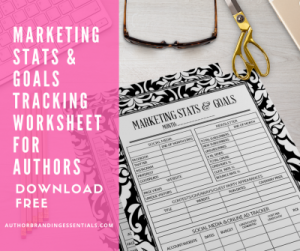
You can also go to the website to download a free copy of the tracking worksheet.
Sherry is a full-time writer from Colorado and the author of over a dozen novels for teens and young adults including the best-selling Stolen Empire series. She can often be found browsing her local bookstore with a large white hot chocolate in one hand and a towering stack of books in the other. That is, unless she’s on deadline at which time she, like the Loch Ness monster, is only seen in blurry photographs.
Sherry is also an acquisitions editor for Clean Teen Publishing and Crimson Tree Press and appears as a guest speaker at several conventions annually. You can find her at her official website, www.sherryficklin.com, or stalk her on her Facebook page www.facebook.com/sherry.ficklin or on Twitter: @authorsherry on Twitter. She is represented by Nadia Cornier of Firebrand Literary.




