
Launching a Book With Confidence
By Rachel Warmath
You are not annoying for telling the world about the book you wrote.
And yet many authors (especially first-time authors) feel a lot of resistance when it comes to launching and promoting their work. Stepping into the spotlight can feel icky and vulnerable, and you may find yourself thinking, I’d just like to go back to my writing cave now, please!
But what if this fear and discomfort you feel is not actually so different from the fear and discomfort you overcame to get your manuscript done?
And what if your book launch could be simpler?
Let’s get into some practical tips for a successful book launch, plus the mindset shifts that can transform your experience and make it less scary.
Remember what it took to write your book.
You faced a lot of ups and downs in getting your manuscript done. This phase of your author journey is no different.
What helped you feel confident while you worked on your first draft? What kept you going? What do you know about yourself now that you didn’t know before you started writing?
You have many strengths already. Use them.
Think of your marketing plan as happening in three waves, each naturally building on the last.
- Who do you already know?
- Who do those people know?
- Who’s out there online already talking about what’s in your book?
Start by reaching out to people you know: friends, family, colleagues, neighbors, former coworkers, people from your yoga class or book club. These people already believe in you and would love to see you succeed! Be specific in how they can help with your book launch: “It would mean the world if you buy a copy, leave a review, and pass the book along to one person you think would love it.”
Think outside the box and remember that your readers could be anywhere: a spiritual or volunteer community, grief support group, running club, local open mic night. Stay open to the possibilities! Who would you like to meet? Are there local events or places you’ve wanted to go where you could share your book? Where can you encourage this ripple effect to happen around you?
Finally, do your research online and start connecting with potential readers in groups, forums, events, podcasts, and comment sections where people are talking about the themes or topics your book explores. Start joining those conversations. Offer insight 90% of the time, and if there’s an opportunity to plug your book, do it only 10% of the time. Share first. Give first. Think of yourself as being in service to your readers, and let your marketing ideas come from the heart.
Marketing is a way to connect.
Someone out there is craving a book like yours. Start thinking about book marketing as a chance to connect with that person. Simple as that.
Instead of “pushing” for sales or trying to convince people to buy your book, focus on showing up in communities that you care about. You are building a network. Trust that your readers are out there and that they want to hear from you.
Also, remember that not everyone is your ideal reader, and that is okay!
Who might feel less alone by reading your book? What is that person missing? What do they need to hear? What are they scrolling for late at night? Provide value in your messaging and you’ll connect with readers easily.
Practice talking about your book often.
The more you talk about your book, the more natural it will feel to talk about your book. When anyone asks, “How are you?” or “What have you been up to lately?” use it as an opportunity to talk about your book. Share why your book matters and what it took to write it.
Notice moments when others become curious or ask follow-up questions. The things that stand out to others could be great hooks for emails, social captions, or podcast pitches.
Practice giving short sound bites about your book. Here are some prompts to get you started:
- “My book is about…”
- “I wrote this book because…”
- “The conversation I hope this book starts is…”
- “My biggest surprise during the writing process was…”
- “After reading this book, you won't be the same because…”
Work toward being able to answer these in a few succinct sentences without hesitating. You can use these as preparation for filming videos of yourself for social media posts and being interviewed on podcasts.
Set specific goals and hone in on them.
Get clear on what success looks like for you with this specific book launch.
Are you dead-set on hitting a certain sales goal? Do you want to feel calm and relaxed the day your book comes out? Maybe you’re wanting this book to open certain doors and lead to a new career opportunity?
Write those things down. Be specific. Write down how it’s going to feel when you have those things. Read the list before you go to bed at night, and first thing when you wake up in the morning.
Once you have clarity about what you really want, you can create it for yourself. So reflect on what truly motivates you and leaves you feeling satisfied and energized. That clarity will keep you from chasing other peoples’ dreams or overthinking your way into analysis paralysis.
Marketing = a masterclass in self-trust.
What if promoting your book is actually a pathway to being more courageous in your life? It’s time to shift any self-limiting beliefs that have been holding you back.
Consider:
- Do you trust yourself? Why or why not?
- What are you so scared of?
- Does being seen feel energizing? Paralyzing? A little of both? Why is that?
- When was the first time you really felt seen or like people understood who you are? Was it a positive or negative experience? What did you learn?
- What feels more vulnerable: having people who know you (like friends and family) see you up close and know about your book? Or being vulnerable with complete strangers?
- What aspects of marketing are fulfilling to you, and what things drain you?
Publishing a book is a rare opportunity to know yourself in a new way. To embrace a new identity and to heal old patterns and beliefs. Identity shifts take time, so give yourself grace and understanding on your own journey.
Check Your Inner Monologue
Many authors don’t realize how much their inner monologue is affecting their launch results.
Do these sound familiar?
- “I'm so behind. I need to do more.”
- “There's so much pressure. This is hard.”
- “It's all on me.”
- “I suck at this.”
- “I have to get it perfect.”
Shift your internal voice to sound more accepting and growth-oriented:
- “I know my book will help people, so I’m willing to share about it.”
- “Marketing is a skill and I’m learning more as I go.”
- “I can ask for help when I need it.”
- “My launch is working out for me. It gets to be easy and fun.”
- “I’m allowed to show up and just be myself.”
If you can create a safe inner space in your mind, you’ll feel more calm and confident in every bit of marketing you do.
Expand your “zone of tolerance” as you put yourself out there.
Promoting your book is bound to get you out of your comfort zone. Embrace it! You’re moving into the “stretch zone,” a space of courage and risk where you’re doing difficult and new things. You’re traversing unexplored territory.
You’re also training your nervous system to be more resilient.
Take the pressure off by seeing the first 100 to 1000 book sales as a training ground. At first, new tasks might feel like too much—you may feel your body go into fight-or-flight, or you might feel emotionally flooded. But over time, that can shift. You are expanding your “zone of tolerance” to now include book marketing tasks. It’s that sweet spot where you can think clearly, manage stress, and stay present without getting too dysregulated.
For example, the first time you see a 1-star review, it might send you into a spiral. Instead of bottling your frustration, talk about how that experience made you feel. Journal on it. Remember why you’re proud of your book.
Does that situation bring up a time from your past when you were rejected or criticized? Are you also taking time to read and really take in your 4-star and 5-star reviews, or do you have tunnel vision that’s only looking at the criticism?
Set some boundaries around checking reviews and comments. Is it helpful to you (and your mental health) to read them? When do you feel most grounded and centered? When do you need to take a break from your phone?
Ultimately, it’s up to you to maintain perspective on how amazing your book is. Resilience means loving yourself even when haters pop up—and that will get easier the more you practice it.
Every step you take in letting yourself be seen will stretch your capacity. The things that feel terrifying today might end up feeling completely normal six months from now. Keep moving forward and know that by the time you reach 100 (or 1000) sales, you’ll be a more resilient person. And that resilience will serve you long after your book is published.
Regulate before you post.
Nervous system regulation is one of the most overlooked parts of launching a book. You can have an excellent marketing strategy, but if you’re constantly burned out, overwhelmed, anxious, and exhausted, how fun is promoting your book going to be?
Focus on supporting yourself first. Book sales come second to that.
Take deep breaths. Go for walks. Build down time into your schedule. Take breaks from your phone and get outside. Create moments of stillness, especially during the busiest weeks, so you know you’ll have some reprieve. How can you make this book launch an opportunity for even more self-care than you’d normally prioritize?
Pick one channel and use it consistently.
You don’t need to be on every social media platform to build an online presence, and posting everywhere is likely to burn you out. Pick a space that feels authentic to you and go all in on it rather than spreading yourself thin.
- If you’re writing YA, fantasy, romance, or horror, try TikTok (#BookTok).
- If you’re writing a memoir, lifestyle nonfiction, or a book on spirituality or wellness, try Instagram.
- If your book is on business, leadership, personal development, career topics, or is more academic or research-based, go for LinkedIn.
- If your book is a cookbook or is about crafting, home, DIY, or travel, try Pinterest.
- Substack is also a great platform for authors who want to build a relationship with readers over time.
Reframe negative beliefs.
Here are some common negative beliefs authors have, and ways to reframe them:
"I don’t feel like a ‘real’ or successful author, so who am I to promote this book?"
You wrote a book. That makes you an author. It’s time to start owning it! Back yourself.
“Marketing feels like bragging, and I don't want to seem full of myself.”
Sharing your work is an act of courage and service, not arrogance. It’s a gift to share your words with those who need them. All you’re doing is inviting others to connect with you. You don’t need to perform. You can be yourself.
“I don’t know what I’m doing. I’m not cut out for marketing.”
No one starts out knowing what to do or how it will turn out. You're allowed to experiment, learn, and grow into your own marketing style. This is just another area where you’re exploring your voice and how you want to use it.
“If my book was really good, it would sell itself.”
Even the best books need champions. You get to be your own best advocate. (You’d be amazed how many authors I’ve worked with over the years say they wish their work could be discovered posthumously, just to avoid the discomfort of being in the spotlight. I say, you’re meant to connect with your readers while you’re alive! And who knows, your new best friend could be waiting at the next launch event you host.)
“No one cares what I have to say.”
This is a big one to work through. If you don’t believe in your book, why will anyone else? We all have insecurities as authors, but it’s working through them that makes us stronger.
Do any of these ideas stand out to you? What struggles have you faced with your own book marketing? I’d love to hear in the comments below.
About Rachel

Rachel Warmath is a writing coach and developmental editor based in Salt Lake City, Utah. She is also a trauma-informed yoga teacher and energy healer. Rachel believes every story holds medicine. Visit ConfidentAuthors.com to learn more.
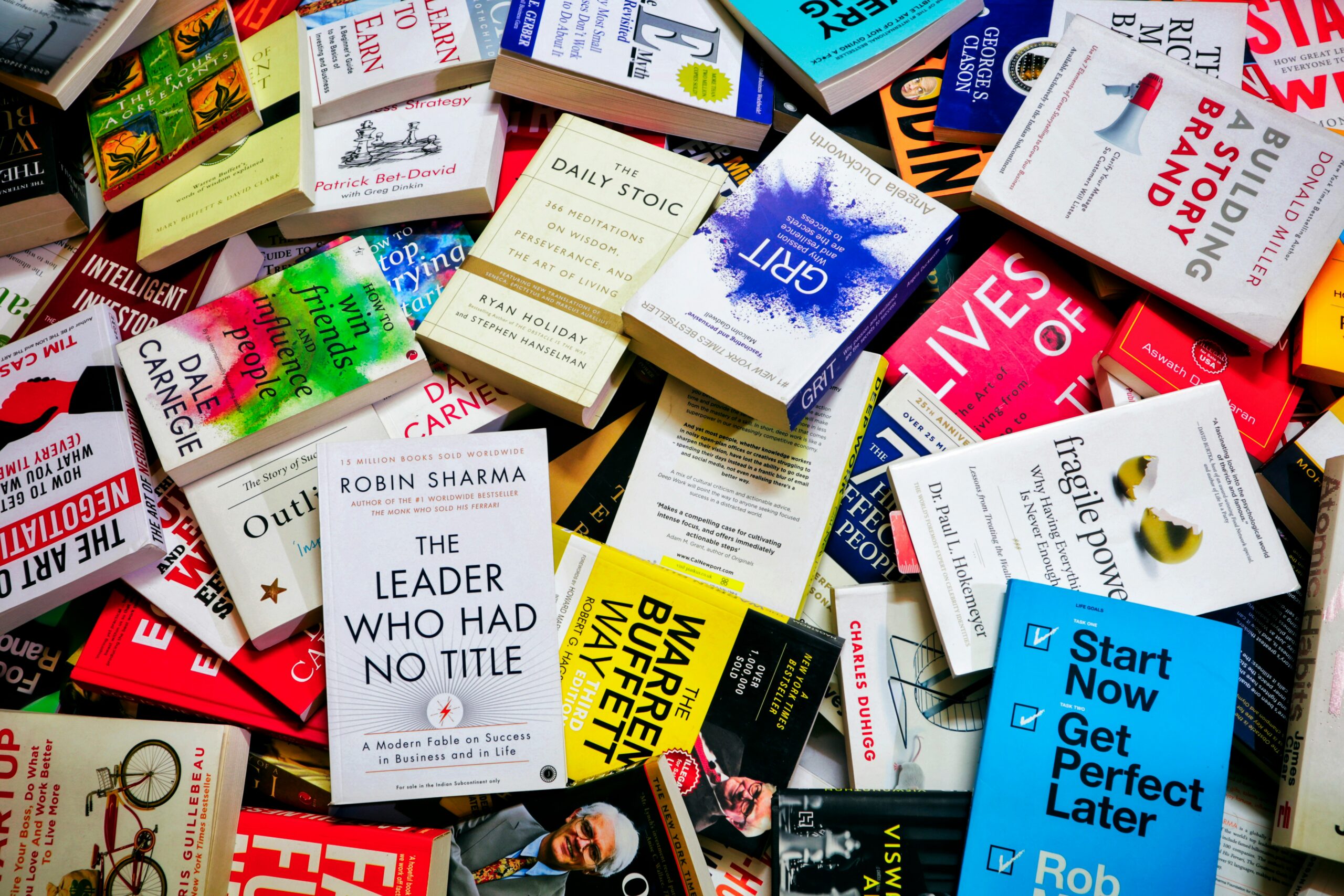
Header image by shiromani-kant on unsplash
Leave a Reply
11 comments on “Launching a Book With Confidence”
Tagged as:
Subscribe to WITS



Recent Posts
- Why Does My Story Feel Broken?
- The Mirror Is Not Your Friend
- How to Write Powerful Scenes that Engage Your Readers
- What Does Your Swag Say?
- Don’t Just Sit There. Do Something with Dialogue Beats!
This is so very helpful. Thank You!
You are so welcome! I'm glad it resonated.
Very nice essay Rachel. You are kind hearted.
Thanks, Matthew! I think one of the things we need most as authors is self-compassion, so I'm glad that came through in this post.
great ideas!
Thanks, Denise! Glad to hear they were helpful.
Great article. Thanks for the information!
You're welcome, Craig! Glad to hear it resonated with you.
What a fantastic post! Many thanks, Rachel.
Thanks, Jenny! I had fun writing it and am so grateful to be a part of the WITS community!
This is terrific, and I wish I had it when my last book came out. Great, useable information and really well presented. Thank you! As for struggles encountered in book marketing... like many of us, I fear being too 'sales-y.' Also, there are the cross-cultural challenges and also just the time involved. I weigh every hour spend marketing against time *not* spent actually writing.