

Angela Ackerman

Conferences are full of opportunities to learn, network, and grow. This summer I attended a local 3-day event called When Words Collide, which is a conference for writers and readers. Over 700 people attended, and every hour there were many different craft, marketing, industry, and genre-specific presentations to choose from. A fantastic event!
As a writer, I soaked up the learning sessions. But as a professional author, I also paid attention to conference subtext, watching how other authors, presenters, keynote speakers, and booksellers interacted and carried themselves to be successful in their roles.
Going From Writer to Author: Hello, Learning Curve
Once you start thinking of your writing as a career, you juggle more hats. At conferences, you might teach workshops, attend book signings, participate in author meet-and-greets, or give inspiring keynote talks.
No one really talks about the learning curve as one adapts from writer to professional author, but boy, it’s there. We have so much to learn. Watching what others do can really help us. So with that in mind, here are some of my conference observations.
What Makes a Powerful Keynote
This conference had a panel of keynotes, so 5 speeches total. What an opportunity to deconstruct what made each work (or not). Common elements: each talk inspired in some way, shared a personal story of overcoming adversity tied to writing or publishing (that the entire audience could relate to), it didn’t sugar coat the hard stuff and it demonstrated that perseverance and self-belief are key. The speeches also conveyed optimism and shared a love for what we all do: write.
One speaker made a tactical error in his keynote by targeting two groups (teachers and self-published authors) and made statements about them that were off-putting. This ended up alienating a good portion of the audience as many happened to be members of one of these groups. So the lesson? Understand who you are speaking to and why, and stay away from opinions that may result in the audience feeling disrespected.
Presenters and Panelists Best Practices
I attended many panels and presentations (and participated in some, too). The best presenters were well-prepared, had slideshow presentations, knew their topic intimately (they didn’t read a script), ran sessions on time, and left time for questions. They also incorporated humor in a very natural way, which allowed everyone to connect through laughter. After the presentation was over, time was tight, but if someone had a follow up question, the presenter would exchange business cards with the attendee, and follow up later—very good form.
The best panelists were respectful of one another’s opinions even when they differed, they didn’t monopolize the discussion (as a panelist, it’s frustrating when someone does take over), they came prepared (sadly this is not always the case) and they stuck to the panel’s topic. They also allowed enough time for audience questions.
Successful Author-Reader Interactions
As a readercon, there were many opportunities for authors to interact with fans. At the mass book signing (80 authors), I was sitting next to national bestselling author Eve Silver, so I was able to see firsthand how she engaged each person who approached, asked them questions, made eye contact, and left each one feeling valued and special. (Watching her was great because I always feel like such a dork at signings, lol.)
Aside from the signing, authors who were really on point were those who always made time for readers (stopping in the halls to chat or answer questions, visiting during after-hours socials, etc.) They were approachable, available, inclusive, warm, and genuine.
Booksellers & The Bookstore
The bookstore was massive, with thousands of books on sale and it had a big community feel. Many publishers and organizations had tables featuring their authors' books, and often a reader would only know a book title or author, not the publisher. Even if it wasn’t a book from their house, all sellers made time to help them find the correct table.
Authors (both traditionally and self-published) milled about or helped man tables, so I saw lots of discussion over books and cover art, and invites to enter a draw or take a bookmark…but no hard selling. I think most are now savvy enough to know that just isn’t well received.
A neat tidbit I learned: never display bookmarks or business cards in a stack because psychologically people won’t want to disrupt the pile. So, fan it out and people are more likely to take one with them. Also, CANDIES, people. Put a jar on your book table. Everyone likes a candy to enjoy while browsing.
Interacting with Organizers & Conference Volunteers
With such a massive conference, organizers (all volunteers, no one was paid) had a lot of authors and presenters to juggle. I am in awe of the job they did. Everyone was very accommodating if you needed something, and they went out of their way to help authors who were respectful and genuine. One author I noticed was griping and complaining, and as a result, no one seemed incentivized to go the extra mile. But then it’s common sense to treat the organizers and volunteers with the respect they deserve, and not act entitled.
What are your conference experiences? What tips and tricks have you picked up? Let me know in the comments!
About Angela
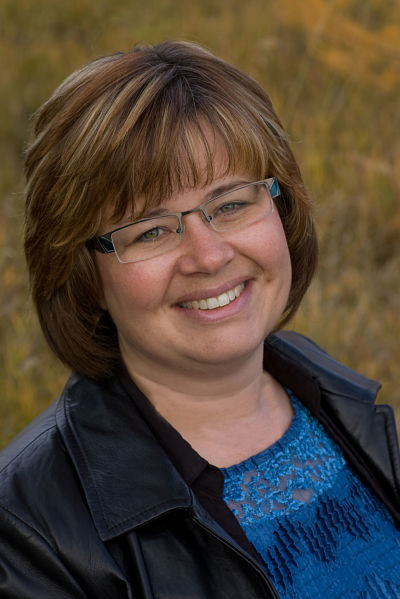
Angela Ackerman is a writing coach, international speaker, and co-author of the bestselling book, The Emotion Thesaurus: a Writer’s Guide to Character Expression, as well as four others including the newly minted Urban Setting and Rural Setting Thesaurus duo. Her books are available in five languages, are sourced by US universities, and are used by novelists, screenwriters, editors, and psychologists around the world. Angela is also the co-founder of the popular site, Writers Helping Writers, as well as One Stop For Writers, an innovative online library built to help writers elevate their storytelling. She loves connecting, so please say hello on twitter, facebook and instagram.




