Writers in the Storm

A blog about writing

storm moving across a field
Cutting Through the Busyness to Get To Business

Kate Moretti

In 2012, I published my debut novel with Red Adept Publishing. I had no idea how much my life would change. As a result of this book, I’ve written four additional books, I’m starting my fifth. MY FIFTH. When I say it out loud, it feels crazy to me.

Writing is now part of my job. I still keep a day job, but I’ve pared down to part time to give some time to my family. On Monday and Friday mornings, I sit in a quiet office at a computer and write down as many words as I can. Some of those words are related to my manuscript.

But precious few.

Why? Because as a published writer, the demands on your time triple. Quadruple. Whatever comes after quadruple. I had no idea it would be like this: that I would eventually end up spending more time being busy than actually writing. I call it all “writing-related”, and it’s true, but never before have I needed such self-discipline.

A few months ago, I wrote a post here called How to Get Out of the Dreaded Slump. The last bullet of this post was about setting limits and this really seemed to resonate with people: it’s the thing I still battle with every. Single. Day. I have four things that kill my time. They are necessary, they are part of this job. They detract from writing, but I wouldn’t have a career without them. They still need to be kept in check.

1. Social Media
O.M.G. I could tell you to unplug. I could tell you to limit it to one hour a day. I could tell you pick one and focus on it. We all know that none of us are doing that. We’re here to stay: on Facebook, on Twitter, on Instagram, on Goodreads. But here’s the thing: you have to find a manageable middle ground. Yes, my name is Kate and I am addicted to social media. I love it. I adore it. Sometimes it causes me physical pain (let’s blame the election). I could (and have!) dither away a day and have nothing to show for it at the end. If you string two days together like this (or more), you’re sinking fast. Here’s what I’ve done: I’ve picked a few communities on Facebook to focus on. Mine happens to be Tall Poppies, Great Thoughts and WFWA. I learned to use Tweetdeck and I make lists of people who I interact with. If people interact with me or they make me laugh they get listed. I ignore my feed. I post to my author page and try to get back to reply to comments. I tweet sporadically. I scroll through Instagram once a day (this is not a hardship, I LOVE Instagram). Social media, for me IS FUN. It must be controlled. Find what works for you and be vigilant with yourself. Check in throughout the day, but if you find your eyes glazing over and your scroll finger getting tired, back away from the computer. Go for a walk.

2. Blurbs
It seems like the moment your book is released, you start getting requests from other authors to read and blurb their book. Good news: people only tend to approach authors whose book they loved so, congratulations, you have a fan! It’s good juju to reach back and pull your friends up with you. But the sad fact is, blurbs don’t do a ton for the author or the blurber. And even sadder? They do almost nothing if you don’t share readership. I have science fiction author friends. I love them. They’re great people and good writers. Most women’s fiction readers do not delve into science fiction. For me to take a few days to read and blurb their book does nothing special for them: their readers have no idea who I am. They’re not impressed if I say it’s wonderful, no matter how many bestselling statuses I get. The exception to this is, of course, the mega giants: Stephen King, Danielle Steele. (Ahem, they’re not reading this post – they’re TOO BUSY!) If I say yes to this, I’m throwing away precious hours. I’m sorry. I love them, I do, but I have to say no. I will tweet and share their book and help in any other way I can. Say yes to blurbs that are in your genre, from authors you respect or want to know about, when you have the time to do so. Don’t say yes to every blurb.

3. Blog Posts
Like this one! I love writing for WITS because there’s such a robust community here. I get to meet new people, the comments section is always, always thriving. But, here’s the tough truth: anyone can have a blog. It’s true. I know it’s tempting to write a lot of content for precious little in the name of getting some air time, but unless the blog has a following, a community, or a recognizable name (Huffpost, Writer’s Digest, Writers in the Storm), I’ve really started to limit the amount of content I’ll write. Especially for free! Be selective about who and what you write for. Work on building a community with certain bloggers and focus your energies there. Writing thirty posts about craft for thirty different book bloggers nets you nothing but cramped fingers and a tired brain. And then when that big ticket publication comes calling, you’ll have maxed out all your blog ideas!

4. Emails/messages/correspondence
For me, this is my biggest time suck. I like to chat with other writers online. I like Facebook messenger. I like email. I like to hash out plot ideas and help others do the same. It’s not a time suck, it’s part of “the job”. In this job, I have no coworkers. No water cooler, no coffee room. Facebook messenger is my break room (there is no free chocolate here). That being said, if I left it unchecked, it would – and has – invaded my To-Do list. Everything is so instant now! There are people who really believe you need to respond a text message in under a few minutes or it’s rude. As though we’re sitting across the table from each other. I resist this theory. I will not stop talking to someone in person, ever, to answer a text message unless it’s from my husband or my house is on fire. I’ve had to explain this to A LOT of people in my life. These are my limits and not everyone will be happy with them.

5. All the other:
Phone calls. Events. Signings. Making cute little bookmarks and cards and business cards and postcards. Going to other author events. Meeting your social media friends in person. Meeting your editor, your agent, in person. Hustling for reviews. Thanking reviewers. Writing thank you cards. Writing up panel pitches. Appearing on panels at festivals and conferences. Developing workshops. Teaching workshops. Going to book clubs. Planning book club questions. GOING TO THE POST OFFICE, FOR THE LOVE OF DARK CHOCOLATE. The list is truly endless. Only you can determine what you do, what you forgo (for now), what you focus on at once. You cannot, and should not try to, do it all at the same time. Your priorities can and should change on a regular basis. For me, right now, while my kids are little, I do very little in-person events. A handful of signings a year, a con here or there. Because of that, I know very few local writers. In 2017, I’d like to get more seated in the local community, so it’s become a goal. Make priority lists and when something pops up (and it will, daily) that is not on your priority list, say “No, thank you not at this time”. You do not owe people an explanation. Be gracious, be humble. Be kind. But be firm in your no. I can’t tell you which things to focus on but I can tell you to not focus at all will burn you out. I have a friend who does not travel. I have a friend who does not blurb. I have a friend who does not do social media. I’m not saying you have to have absolutes like this, but if you are reading this it’s because you have not learned how to say “No, that’s not right for me at this time. But thank you so much for thinking of me.”

Here’s the thing: once you set limits, not everyone will be happy with you. THIS IS OKAY. PLEASE KNOW THAT THIS IS OKAY. Nothing has taught me this lesson more than being a writer. It’s been a huge growth phase for me. I have accidentally ignored people, made selective choices in who I spend a lot of time talking to, I have said no. I try to never, ever be rude or ungrateful. But sometimes, and I do think this is more a female thing, we try so so hard to make people like us. We will literally sacrifice our career at the altar of “like us please like us”.

The only way through the busy-ness and onto the business is to find your inner Sally Field and shut her up. With dark chocolate.

What is your biggest time suck? Any tips on how you control it?

 *  *  *  * 

About Kate

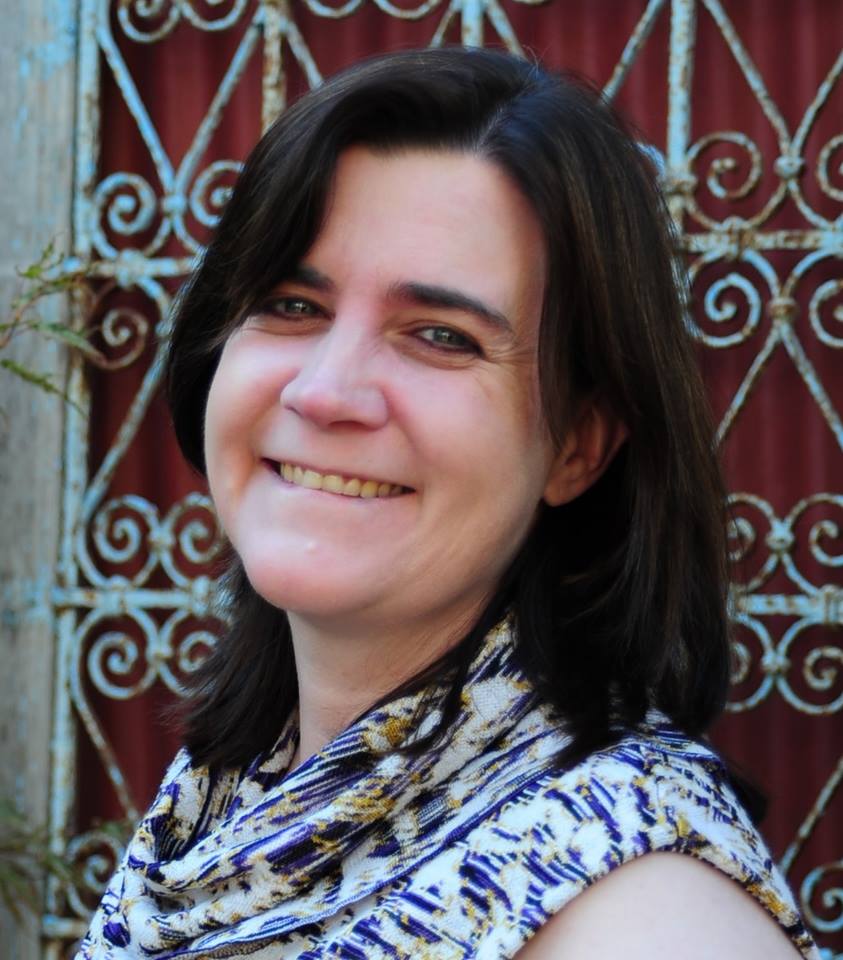
author photo

Kate Moretti is the New York Times Bestselling author of the women’s fiction novel, Thought I Knew You. Her second novel Binds That Tie was released in March 2014. She lives in Pennsylvania with her husband, two kids, and a dog. She’s worked in the pharmaceutical industry for ten years as a scientist, and has been an avid fiction reader her entire life.

She enjoys traveling and cooking, although with two kids, a day job, and writing, she doesn’t get to do those things as much as she’d like. Her lifelong dream is to buy an old house with a secret passageway.

Www.facebook.com/katemorettiwriter
Www.twitter.com/katemoretti1

Read More
Royalty Clauses in Publishing Deals: How (& How Much) Authors Get Paid

Susan Spann
“Royalties” is the publishing industry term for money paid to an author (generally, by a publisher) on sales of a published work. Most authors receive the bulk of their writing income from royalties, which makes them a critical feature of publishing contracts.

How are Royalties Calculated?

Royalties vary from contract to contract, and across different publishing formats. However, industry-standard royalties are normally based on a percentage of either: (1) the money the publisher actually receives on sales of the author’s work, or (2) the sale price of the work. (Most commonly, royalties are based on a percentage of the publisher’s receipts.)

Royalty percentages are either calculated on a “gross” or “net” basis—but those terms can be tricky, because publishers and contracts don’t always use them consistently. Good contracts calculate authors’ royalties as a percentage of the publisher’s receipts – the money actually received from buyers or resellers (less refunds and returns). That’s a “gross” method of calculation.

Dangerous contracts allow the publisher to deduct certain costs (sometimes including marketing and advertising costs as well as publishing costs) from receipts before calculating the author’s royalties. This is “net” calculation, because the author’s percentage is calculated on “net profits” – meaning receipts minus some or all of the publishing costs. Traditional publishers don’t expect or ask authors to share the publishing costs, or the publisher’s marketing costs. No exceptions.

How Big is the Author’s Royalty Percentage?

Royalty percentages can vary widely, both from publisher to publisher and across the various publishing formats. Most contracts state a different percentage for hardback royalties (typically 9-15%), trade paperback royalties (typically 7-12%), mass market paperback (typically 4-8%) and ebooks (typically 25-35%). However, each of these “typical” percentages can vary by 2-4% (or more) in the printed formats, and the Author’s Guild wants publishers to increase ebook royalty rates to 50% of receipts across the board (a great idea, but not yet industry standard).

Royalty percentages also vary based on an author’s experience and sales record—those with lots of successful books tend to receive higher royalties than debut or midlist authors.

Royalties on foreign and subsidiary rights can vary widely, too, depending on the rights being licensed, the nature of the license, and whether you license the subsidiary rights directly or through a publishing house.

In other words: your mileage will vary, so always have your contracts reviewed by a specialist (an agent or an attorney) to ensure you’re receiving the best possible royalty percentages from your publisher.

How Often Do Authors Get Paid?

Every publishing contract should state how often the publisher will issue royalty checks and sales statements. Many larger publishers calculate royalties only twice per year, while some independent publishers pay their authors quarterly. Self-published authors often receive payments from Amazon on a monthly basis, and a very, very few small publishing houses also calculate royalties monthly (usually a month in arrears).

Publishers’ sales statements and royalty payments are normally sent 3 months in arrears, meaning the publisher has three months from the last day of the sales period stated in the contract to calculate and send the royalty payment. Again, the specific payment terms and timing should be stated in the publishing contract—and the language should be specific enough that the author knows exactly when the statement and payment is due (and hopefully not overdue).

Reserves Against Returns (And Other Royalty Issues)

Many publishing contracts allow the publisher to withhold a percentage of the author’s royalties as a reserve to cover potential returns and to pay reduced royalty rates (or no royalties at all) on copies sold at deep discount or distributed free of charge for review and promotional purposes. Again, the contract needs to contain specific language explaining when a sale is—and is not—a royalty-bearing sale, and the terms should match current industry standards.

A Word About Advances

“Advances” – technically, advances against royalties, are lump-sum payments some authors receive in advance of publication.

In most cases, advances are paid in 1-3 installments: upon signing the publishing contract, upon the publisher’s approval of the final manuscript, and/or upon publication of the completed work. Whether an advance is paid in one installment or multiple installments, and the timing of those installments, varies from publisher to publisher.

If an author receives an advance, the author normally won’t receive any royalty payments from the publisher until total royalties due to the author on sales of the work exceed the advance amount. When that happens, the work has earned out and the author will start receiving royalty checks on the next payment and statement date referenced in the contract.

Never Sign a Contract Without Professional Review

Always obtain professional review of publishing contracts. Publishing lawyers and agents have experience reviewing not only royalty provisions but other important contract terms, and know the current industry standards for royalty percentages, reserves against returns, and other vital terms that can impact not only the author’s rights but the timing and amount of royalty payments on the finished work.

Do you have any questions about royalty payments or publishing contract terms? Did anything here surprise you?

Susan Spann

Susan Spann writes the Hiro Hattori Novels, featuring ninja detective Hiro Hattori and his Portuguese Jesuit sidekick, Father Mateo. The fourth book in the series, THE NINJA’S DAUGHTER, will release from Seventh Street Books in August 2016. Susan is the Rocky Mountain Fiction Writers’ 2015 Writer of the Year, and a transactional attorney whose practice focuses on publishing and business law. When not writing or practicing law, she raises seahorses and rare corals in her marine aquarium. Find her online at http://www.SusanSpann.com, on Twitter (@SusanSpann), and on Facebook (SusanSpannAuthor).

Read More
The Things That Keep You Going


We’re going to start this blog post with a duh moment …

Writing is hard. Getting published is hard.

Now if you can all roll your eyeballs back into place, we’ll continue. Ready?

I’ve talked many a writer friend off the “I’m going to quit” roller coaster. I’ve even had my share of “maybe I should consider becoming a barista”, moments. But I was always able to shrug those moments off and buckle down for yet another revision or another batch of queries or another manuscript.

Why?

Because I chose to look at the positive (or sometimes just less negative) steps as milestones.

Before you get the wrong idea, let me me make one thing clear … I’m not Little Miss Sunshine. I’m not that eternal optimist who will spew happy, shiny clichés. I’m not the making lemonade kinda gal (unless you pour some rum into it).

When I first set out to write, it wasn’t the idea of getting an agent or being published that kept me going. It was the challenge of learning.  Finishing that first draft of the first story idea was one of those, “holy shit I did it, I really did it” moments. Didn’t matter that it was crap, I was celebrating just getting to the end. I was holding 300-some pages that came out of my crazy brain. Positive.

My first attempt at querying agents wasn’t a whiz-bang success. Neither was the second attempt. Or the third attempt for that matter. I’m not keeping tally of the number of queries I sent out. The first requests for partials and fulls sent me into chicken dance spasms. After that it was a “cool”, mark the date on the spreadsheet, send, move on.

You guys are going to think I’m a total nut job, but what kept me going were the rejections, not the requests. I don’t mean the form rejections on queries but the manuscript rejections. Those were my gauge on how close I was getting. When I stopped seeing consistency in the feedback, I knew it was just a matter of finding that one person who would connect to my voice and story. Positive.

Now it’s confession time. I never saw the manuscripts I was working on as published books. I was hell bent on pursuing publication and didn’t doubt that it could happen, as long as I stuck to my plan. But the idea that what I’d been working on for so long could be an actual book somehow didn’t fully register. Even after my debut sold to an amazing publisher. Weird, I know.

Then this happened …

IMG_2177-1

And it happened on a day when I was questioning every word coming out of my fingers on a new book project. I bottled the frustration with myself and proceeded to freak out my cats with something vaguely resembling a happy dance.

Tomorrow I’ll sit back down to write on that new project. Today, I’ll flip through one of those lovelies and remind myself that I can do it and it can happen. Hello, positive! :-)

Your turn … do you look at the bright side? What keeps you going when you’re ready to throw the computer into the fire?

 *  *  *  *

About Orly

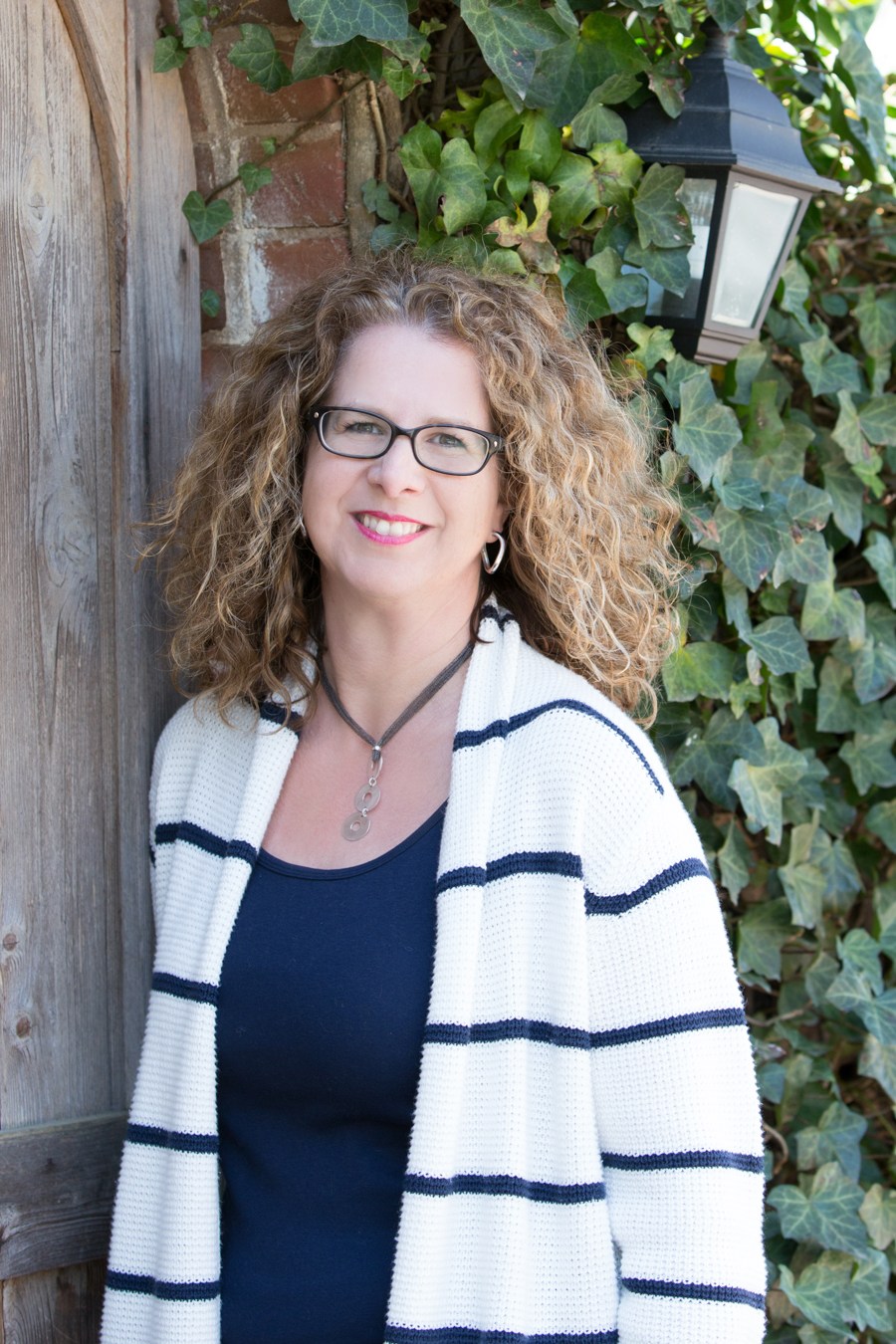
Photo by Lauren Ackil of Lauren Ackil Photography.

Orly Konig is an escapee from the corporate world, where she spent roughly sixteen (cough) years working in the space industry. Now she spends her days chatting up imaginary friends, drinking entirely too much coffee, and negotiating writing space around two over-fed cats. She is a co-founder and past president of the Women’s Fiction Writers Association, and a member of the Tall Poppy Writers. She is rep’d by Marlene Stringer, Stringer Literary Agency LLC.

Orly’s debut, The Memory of Hoofbeats, will be released by Forge in 2017.

You can find her on Twitter at @OrlyKonig, on Facebook at OrlyKonigAuthor, or on her website, www.orlykonig.com.

Read More

Subscribe to WITS

Recent Posts

Search

WITS Team

Categories

Archives

Copyright © 2026 Writers In The Storm - All Rights Reserved