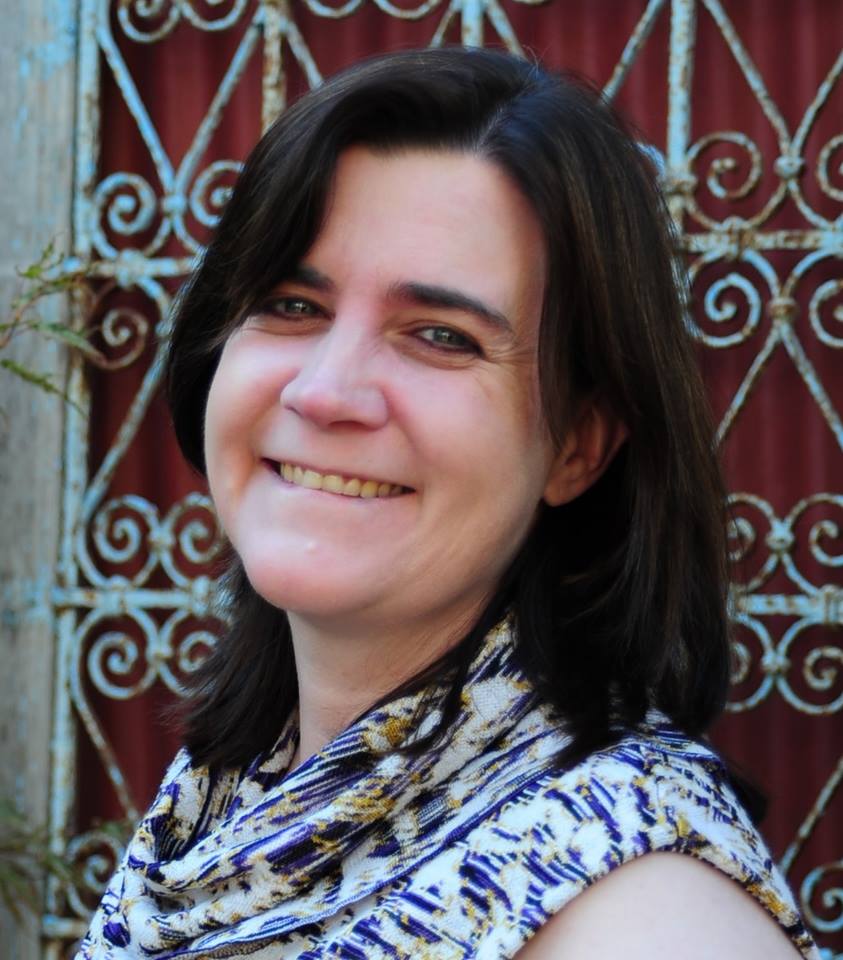
Heather Webb

As a novice writer, especially one in search of an agent, we swallow every writing and industry rule hook, line, and sinker. It’s understandable when we’re dying to get our foot in the door. And sure, most of those standards exist for a reason, but those books that break out, usually SHATTER the laws of fiction.
I’ve stomped all over plenty of rules myself. For example--
MY FIRST NOVEL WAS NOT A TRUNK NOVEL: I’ve heard this about a million times from so many sources: teachers, writers, agents. The advice out there says to write a novel, (or 500,000 words worth of manuscripts), and stash those books in a drawer because those words are sub-par. Your craft is sure to be riddled with newbie mistakes and a total p.o.s. in the plot and structure department. But that may or may not be true. The very first novel I ever wrote was agented and published. In my case, I refused to put that book away until I GOT IT RIGHT. Granted, I rewrote that bad boy about a million times, but it can be done. It HAS been done. Don’t let that rule scare you. Do the work and be tenacious!
I WROTE A HISTORICAL IN FIRST PERSON: Gasp! There’s a lot of shuddering when that happens among the literarti and historical fiction crowd. “Serious fiction”, after all, is written in third person, or so I’ve been told over coffee from a “friend” with an elegant sneer on his face (and plenty of “experts” in literature). Also not true. I could list a dozen wonderful historicals off the top of my head that were written in first person, or a dozen wonderful novels in other categories including GONE GIRL, among many others. This rule is a ridiculous assertion. All POVs have their limitations and issues. If it suits your story, press on!
I SKIPPED TIME PERIODS: My first novel took place during the French Revolution and for my second novel, I fast-forwarded in time an entire century to the Belle Époque era. This is another thing frowned upon, as many historical novelists conquer an era and become the expert of that time. I, on the other hand, relish the challenge and excitement of discovering new eras, people, events. (Or maybe I’m a glutton for punishment and need to STEP AWAY from the research books.) The other issue with jumping ahead is that publishers like to group your books by theme and dates. In any case, I blew the lid off that one.
I TOSSED ASIDE BIOGRAPHICALS, GOING ALL-FICTION: My first two novels are biographical fiction and not because it was a trend or because they were someone’s wife or lover. I just happened to love the two women I wrote about for a million reasons. Now, I find myself in uncharted territory. I’m going all fiction in a historical setting. Am I nervous? Sure. Is it a risk? Definitely. But I refuse to be pigeonholed into a narrow category if it doesn’t jive with my vision. If a publisher doesn’t buy my next book, then what, you ask? The answer is simple. I’m a writer. I write another book because I MUST. My need to write is a sickness and a cure all in one. I’ll carry on, quill in hand.
Are we seeing a theme here?
Publishers need to take a risk themselves—go out on a limb and invest in a book—and beautiful writing will tempt them to do so. Write your books. Make them beautiful. Follow your vision and your instincts. At the end of the day, we’re individuals and what’s so dadgum amazing about books in the first place is how they are all so different, and more importantly, how they bring up questions of human nature which challenge us to change, evolve, and revolt if necessary. So buck the system.
MAKE YOUR OWN RULES.
What rules have you broken, for better or worse?
About Heather

Heather Webb writes historical novels for Penguin and HarperCollins,which have been translated to three languages and have been featured in the Wall Street Journal, Cosmopolitan magazine, France magazine, and Reuters News Book Talk. BECOMING JOSEPHINE follows the life and times of Josephine Bonaparte set to the backdrop of the French Revolution, and RODIN’S LOVER released Jan 27th, chronicles the passionate and tragic story of Camille Claudel, sculptor, collaborator, and lover to the famed Auguste Rodin. A FALL OF POPPIES releases in 2016.
Heather is also a freelance editor and contributor to award-winning writing sites WriterUnboxed.com and RomanceUniversity.org. She is a member of the Historical Novel Society and the Women’s Fiction Writers Association.
Twitter: @msheatherwebb