I have always considered myself a pretty confident person. My parents instilled several things in me early on:
- Impossible is just the beginning.
- Consider it negotiable.
- You can partner with people for success, but never allow them to hold your success hostage, or expect them to make you successful.
And this next one was bedrock. Don’t allow other people’s opinions to change the way you feel about yourself.
That lesson especially served me well growing up. Peer pressure for me – almost non-existent. I didn’t look to my peers to define, approve or affirm me. That made me a little bit of a sore thumb in high school, but again – not really caring. It made me bold and in many ways, insulated my sense of self.
So you can see how I didn’t anticipate reviews, good or bad, to really affect me that much when my debut novel released this summer. Leading up to the release, I talked to several writers who spoke of near-depression upon reading bad reviews.
Really?
I could sympathize, but I didn’t actually relate.
I would soon.
When I read my first truly negative review, it shook me. Not the review itself, but how much it mattered to me. I coached myself through it. Reminded myself that everyone won’t like every book. Had a few close friends talk me off the ledge. But something still shifted inside of me. Some place in my confidence no one had really touched before.
That first week, I noticed my mood rise and fall with the stars my book received. My husband couldn’t believe it. He reminded me of who I was. Of how I had always processed the opinions of others, but there was no denying that those reviews affected me. So much so that I soon found the good reviews hard to believe. Why would anyone give me 5 stars? Did they feel sorry for me? Maybe they weren’t “discriminating” readers. The truly discriminating readers would hate my book.
I’ll never forget a friend called me saying she hadn’t been able to put my book down. She had actually canceled an appointment and turned off her phone to finish it uninterrupted. After five minutes of me trying to convince her that she hadn’t really enjoyed my book, but had read it through the friend filter, she finally said something that landed with me.
“When did you start thinking the bad has to be true, and the good must be a lie?”
When did I? At what point had I lost that strong sense of self? Started doubting my talent? Started doubting myself?
Her question recalibrated something; reminded me of the lessons my parents had instilled so early on. As much as I love this book, I am not this book. It is an extension of me; of my way with words and the craft I am continually honing. But it is not me. A negative review is not an attack on my character or a denigration of me as a person. It is one reader who didn’t like what I wrote. And that is fine.
I have deliberately created space between myself and this thing that I made because I have no control over people’s opinions about it. What can I control? Myself. The kind of person I am. What do I want that to be? Kind. Generous. Gracious. Loyal. Thoughtful.
I am not measured in stars.
I am a loving, faithful wife. I am a warrior mother who would do anything for my child. I am a philanthropist who extends myself on the behalf of others. I am a good friend. Until a blogger or a reviewer or a reader attacks that, it’s not personal.
I just released book two, LOVING YOU ALWAYS, and I cling to that epiphany. I fully anticipate having to remind myself of these truths when there are fewer stars than I’d like to see at the end of a review, but it’s okay.
And it’s not personal.
About Kennedy
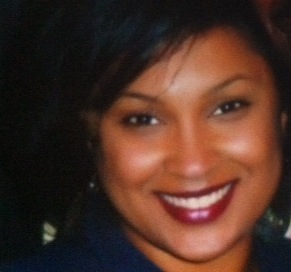
Kennedy Ryan writes contemporary romance and women's fiction. She always give her characters their happily ever after, but loves to make them work for it! It's a long road to love, so sit back and enjoy the ride. In an alternative universe and under her government issue name, Tina Dula, she is a wife to the love of her life, mom to a special, beautiful son, and a friend to those living with autism through her foundation Myles-A-Part, serving Georgia families.
Her writings on Autism have appeared in Chicken Soup for the Soul, and she has been featured on the Montel Williams Show, NPR, Headline News and others. Ryan is donating a portion of her proceeds to her own foundation and to her charitable partner, Talk About Curing Autism (TACA).
Her interview series MOMMIES DO THE MOST AMAZING THINGS is featured each month in Brooke Burke's online magazine Modern Mom.

Facebook / Twitter / Website / Pinterest / Google +
Add LOVING YOU ALWAYS on Goodreads
BUY LINKS
Amazon | B&N | iTunes | Google Play
Out now: Book 1: WHEN YOU ARE MINE