

Margie Lawson
A huge THANK YOU to Laura Drake for inviting me to be a guest blogger, and big miss-you hugs to all the WITS gals!
If you wish review the rule that started it all... Margie-Rule #1: Never Take Any Word for Granted
Are you an NCIS fan? A Jethro Gibbs fan? A Mark Harmon fan?
If you said YES, you know Jethro Gibbs has rules. Smart rules. I wanted smart rules too.
Margie’s Rule #4: First things first. Add power to blah.
None of us want to read blah.
I’ll share five examples, and show how you can give blah a boost.
We’ll focus on an interaction between characters most writers have written several times.
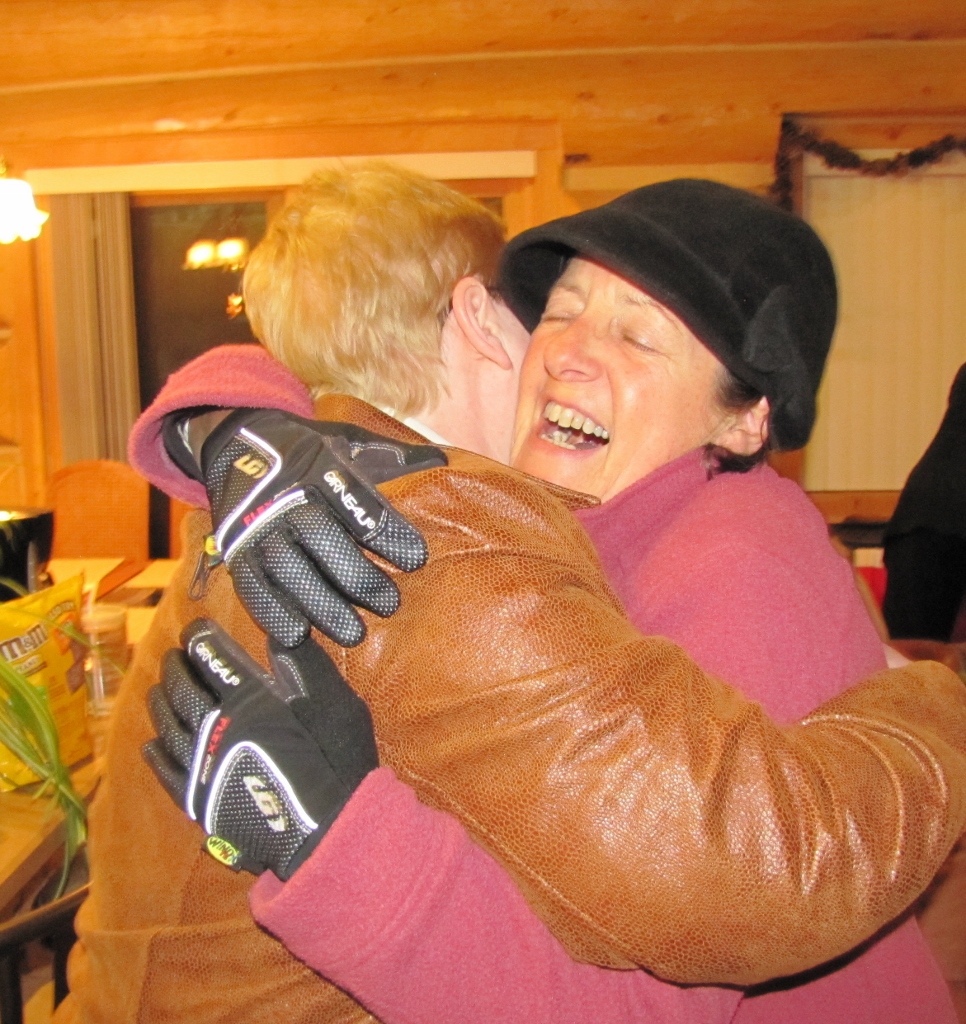
A hug.
That’s right. Just a hug.
We’ve read sentences like:
- They hugged.
- She gave him a quick hug.
- He pulled her into a tight hug.
- She threw her arms around him in a quick hug.
- He grabbed his brother in a one-armed hug.
Nothing special there. No subtext. No power.
Check out these examples of hugs:
Live Wire, Harlan Coben, 3 examples
Mom hugs grandson and son:
Mom was at the door. She hugged Mickey first, the way only Mom could. When Mom hugged, she gave it her all—holding nothing back. Mickey closed his eyes and soaked it in. Myron waited for the kid to cry, but Mickey wasn’t one for waterworks. Mom finally released him and threw the hug at her son. Then she stepped back, blocked their entrance, and fixed them both with a killer glare.
Deep Editing Analysis:
The first hug is amplified. The second hug is shared in a fresh way:and threw the hug at her son. We feel her intense love.
But between those hugs, Harlan slipped in two goodies for the reader. First, Harlan felt his mom’s love for her grandson:
Mickey closed his eyes and soaked it in.
Second, he slipped in a hint of a Humor Hit that deepened characterization:
Myron waited for the kid to cry, but Mickey wasn’t one for waterworks.
It’s barely a snicker, and it’s quintessential Harlan. Plus, it informs the reader how close Mickey is to his grandmother, that Myron expected Mickey to cry.
The last sentence carries news-of-a-difference power. It’s backloaded with killer glare.The emotional set of the scene shifts.
Did you notice that Harlan slipped in three words in the middle of that last sentence, three words that add power?
…blocked their entrance…
We all know what is implied with that little hit of choreography.
Mom is strong. And she’s not letting them in the house until she knows everything.
Look at all Harlan Coben accomplished with that paragraph.
Harlan showed the love mom had for Mickey and Myron, they’d done something dangerous and she’d been crazy-worried.
He showed the depth of the relationships.
Harlan also showed that after mom knew they were safe, her anger surfaced, big time, and now she’s crazy-mad.
Emphasis on the word SHOWED.
Harlan didn’t give us a paragraph that TOLD the reader that Myron knew how much his mom loved Mickey, and blah-de-blah-blah-blah…
You all know those TELLING paragraphs. If it’s more than four or five lines long, you probably skim. You get the gist. You don’t miss anything important.
What if Harlan had written it like this.

Margie’s Blah Rewrite:
Mom was at the door. She gave Mickey a hug and held him close for a long time. Mom finally released him and pulled Myron into her arms. Then she stepped back and fixed them both with a cold stare.
The same message is shared in my version, but that paragraph wouldn’t rank high on interest. Nothing fresh. If longer, definitely an invitation to skim.
Would you skim Harlan’s paragraph?
I’ll share four more hugs, but I won’t dig deep. I’ll just add a few points.
Live Wire, Harlan Coben
Girl hugs guy friend:
She came over to him, spread her arms, and hugged him. Myron held her tight, feeling the warm belly against him. He didn’t know if that was weird. But as the hug lasted, it started to feel good, therapeutic. Suzie lowered her head into Myron’s chest and stayed there for a while. Myron just held her.
What did Harlan accomplish?
- Shared fresh writing
- Deepened relationship
- Took what could have been blah, and added power!
Hug between two best guy friends:
Myron hugged Win. Win hugged back. The hug was fierce and tight and lasted a long time. No words were exchanged—they would have just been superfluous.
- Short and powerful!
- Masterful writing.
- Fresh content. Compelling cadence.
- Used polysyndeton: The hug was fierce and tight and lasted a long time.
Polysyndeton -- one of thirty rhetorical devices in my Deep Editing class.
He pulled his brother into an awkward embrace. His arms trapped at his sides.
Test of Faith, Christa Allan, multi-Margie-grad, 2 examples
Carried by the irrational current of the moment, Julia embraced her. As could be expected, there was a reciprocal effort—the teacher treated hugs like a contagious illness—but Julia didn’t care
- Fresh writing
- Deepened characterization
- Compelling cadence
- Humor Hit
- Universal theme. We know this feeling. Most of us have been super excited, and hugged someone we wouldn’t usually hug.
She passed around her signature faux-hug, one hand on your shoulder and enough forward body movement to suggest hugging.
Wow!
- Fresh writing
- Compelling cadence
- Clear choreography – not always easy to convey
- Deepened characterization
You can see the difference between a shares-no-power hug, and a makes-your-scene-strong hug.
I could have focused on any scene element for this blog—facial expressions, dialogue cues, proximity, internalizations, dialogue, setting, action, character descriptions, visceral responses….
If it’s important, add power!
You can add power with subtext, internalizations that deepen characterization, rhetorical devices, humor hits, choreography, fresh writing, and cadence, cadence, cadence.
You can add power with everything I teach.
BLOG GUESTS: IT’S YOUR TURN!
Want to share a fresh hug?
Or comment on these hugs?
Or just say Hi?
Post a comment, and you’ll be in the drawing to win an online course from Lawson Writer’s Academy!
Due to a health issue, Margie will be not be here to comment today but she will answer your comments when she returns. Her drawing for a class will still be chosen using the comments on this blog.
Check out the courses we’re offering in September:
- Submissions That Sell, Instructor: Laura Drake
- Story Structure Safari, Instructor: Lisa Miller
- From Blah to Beats: Giving Chapters a Pulse, Instructor: Rhay Christou
- The Hero’s Journey in YA Fiction, Instructors: Jennifer McAndrews and Linda Gerber
- Mastering the Synopsis, Instructor: Jennifer Archer
- Virtues, Vices, and Plots, Instructor: Sarah Hamer
- Getting Serious About Writing A Series, Instructor: Lisa Wells
The drawing will be Sunday, August 24, 8:00 PM Mountain Time.
See you on the blog!
All smiles................Margie
About Margie

Margie Lawson teaches writers how to use her psychologically-based editing systems and deep editing techniques to create page turners. Margie has presented over ninety full day master classes for writers in the U.S., Canada, Australia, and New Zealand.
Margie is excited to share that Romance Writers of Australia is bringing her back to present at their conference next summer!
To learn about Lawson Writer’s Academy, Margie’s 4-day Immersion Master Classes (in Denver, Atlanta, Philadelphia, Dallas, Seattle, San Antonio, Columbus, Jacksonville, Houston, and on Whidbey Island), her full day Master Class presentations, keynote speeches, on-line courses, lecture packets, and newsletter, please visit www.MargieLawson.com.




