Writers in the Storm

A blog about writing

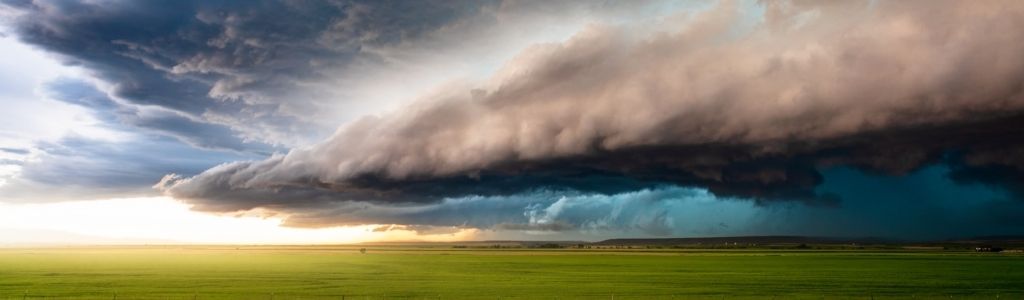
storm moving across a field
Place Descriptions - Part 2: Waterways

By Sharla Rae

In my first blog on place descriptions, Place Descriptions: It’s about Atmosphere Not A Travel Log, I promised to deliver more place descriptions. Today’s list is about waterways, lakes, oceans, rivers, and seas.

I was very tempted to list all kinds of boats and ships and marine life. I had to remind myself that this blog isn’t a research source. My lists serve two purposes.

  • To show examples of place descriptions
  • To "inpire ideas for your own manuscripts

When it comes to waterways or any place description, don’t overlook descriptive verb choices. The great thing about descriptive verbs is their ability to eliminate wordy adjective and adverb phrases that make descriptions boring and clunky.

When I’m not sure what kinds of descriptive verbs to use, I reach for a handy dandy book called  The Word Finder by J. I Rodale. Look up for example, at the words, ocean, lake, river, and sea. The Word Finder lists adjectives, adverbs and verbs that describe a subject. In the case of waterways, I’d go a step further and look up marine life, ships, boats etc. And don’t forget poetry books for unusual descriptions. Use your creative noggin.

Note: In some cases The Word Finder has become pricy. However at Amazon, I did find used copies.

Verbs that may describe the sea: Find more in the phrase list below.

Descriptions of waterways are not just about the water itself. They include surroundings and actions that take place in and around water. With this in mind, I compiled the following term and phrase list.

Waterways

Arching wooden bridge over the creek
Bait and tackle box
Bashing against sand and rock only to shatter and retreat
Bay forested with sailing masts
Beached the rowboat
Beaver dam stretched across
Big wheel paddleboat spanking and churning
Boarding up windows against an incoming hurricane
Brackish swamp water
Breakers/waves/surf
Broken sea shells and rotting fish
Burble of the rivulet heard from deep in the woods
Caught in the cold tenacious arms of a rip tide
Choppy on the open sea
City of ice fishing shacks on a frozen lake
Clouds sketched the ocean sky
Coast/ seaboard/ seashore/seaside
Cranking a turn on a surfboard
Cruise ship disappeared in the fog bank
Deep sea fisherman
Dipping and swaying on swells
Disappeared to the lake bottom
Dotted with islands
Driftwood for a cozy riverside fire
Dry river basin
Eerie creaking and popping of the ice as it shifted below him
Favorite fishin’ place, the “honey hole”
Fished for channel cat (cat fish) on the St. Louis
Fishing off the pier
Fishy aroma saturated the air
Gained the cove in no time
Gray mist was sucked out to sea with the tide
Green briny deep
Green marbled waves exploding
Harbor patrol/ coast guar
High tide/ low tide
House on stilts in the teaming swamp
Ice skating on the pond
Lake resort with log cabins
Lazy, dozy day on a sluggish meandering river
Lilly pads with their pink blooms contrasted the murky water beneath
Mangrove roots snaked out of the brackish water in a tangle
Marine life
Merciless surge and retreat of the ocean
Mermaids
Miles upon miles of endless lonely sea and sky
Mirrored reflection of the forest on the water
Mournful howl of the foghorn
Mr. Bruin (bear) chased the fisherman for an easy catch
Occasional gust of wind across the bow
Old mill stream
Pebble startled the water into ringlets
Petty traders and tars working the docks
Pirates keelhauled a man on high seas
Popeye was a seafaring man
Quiet cove on a desert island
Quiet, verdant surroundings of the pond
Raccoon paused on the riverbank to wash his face
Ran aground on a sandbar
Ran the full length of the reef
Rhythm of the sea
River bed/river bottom/riverbank/riverside/shoreline
River raft of logs bound tight
River receded and left behind rotting fish, silt and debris
Rocks slippery with green moss
Sailor’s wife stood upon the rocky promontory
Salt spray
Sand castles and laughing children
Scent of river water and creosote bush
Sea gulls/whales/porpoise/sea turtles/sharks
Seahorses danced like sea fairies amidst seaweed
Seascapes/landscapes
Seasick Landlubber
Sharks knifed through the cold dark waters
Ship impaled on a reef
Ship perched on the shoulders of the sea
Ship tossed up on a coral reef during the storm
Shoreline vanished beneath greedy fingers of fog
Silvery sheen of the moon on the water
Skin diving in an underwater cave
Skinned and boned fish at the lakeside fish house
Sleepy lagoon
Slushy sand filled in my footprints, denying my passage
Spidery river tributaries on the map
Spike on the end of the ice fishing pole stabbed into
Spume across the bow
Steel blue rim of the ocean
Stem to stern/port to starboard
Strand
Sun glinted/shimmered on the becalmed water
Surfer riding the crest of a mighty wave
Swam near the murky river bottom
Sweet-voiced burble of a creek/stream/brook/burn/riverlet
Teamed with marine life
The wave’s trough
Tide withdrew leaving sea life in the tide pools
Threw the ice chest into the tour boat
Turquoise water of an Alaskan glacier
Victim of Davey Jone’s locker
Waded the river shallows
Warm, sea-scented beach
Waterfront bars
Waterskiing, jet skies, speedboat, kayak, paddleboat
Waves quenched on the rocky shoreline
White froth against the treacherous rocks
Yacht lurched precariously

Don’t forget that definitions are also descriptions. Whole books have been written with glossaries that define waterways, professions that utilize waterways, land near water, ships, marine life, and all the jargon that follows For that reason, I’m listing only a few definitions here as examples. For more ideas see the links below.

Definitions:

Causeway: raised passage across wet ground or water; highway
Tack: lower forward corner of a Fore-and-aft sail; to alter a ships course by turning the bow into the wind
Tars: historical name for sailors taken from the fact that they tarred their coats and hats against precipitation.
Tide-rip: (sometimes called rip-tide) rough patch of sea caused by opposing currents or rapid currents passing over an uneven bottom
Tidewater: (also, tideland) water affected by the ebb and flow of the tide; low-lying coastal land
Tsunami: large waves caused by a considerable displacement of a large volume of water

Links:

A Sea Of Words, A Leicon and Companion for Patrick O’Brian’s Seafaring Tales by Dean King, with John B. HattenDorf and J. Worth Estes. An excellent reference on sea-faring, ships, sailors, equipment etc with most definitions applying yet today.
Sea Words, Water, Wind and Waves by Michael W. Williams (Much like A Sea of Words)
Glossary of nautical terms From Wikipedia but an excellent list!
A Dictionary of Sea Terms
Glossary of hurricane terms from the National Hurricane Center
Watch videos of storms at sea These might inspire your own creative ideas

Okay, your turn. Got any waterway descriptions or great places to find them? Share with the rest of us.

Read More
How Do Publishers Reach Readers? Sue Grimshaw Speaks!

Guest Blogger Sue Grimshaw from BBD/Loveswept is with us today for an interactive blog about author promotion.  Welcome back, Sue!  And we must thank Sue for her generous giveaways of a Random book to three different random commenters.  Thanks, Sue!

Hi ladies – thanks for having me back on WRITERS IN THE STORM!

As I approach my one year anniversary as acquiring editor at Loveswept, I look back in amazement at how much I have learned. Out of all of our accomplishments within the Loveswept line there is one thing that stands out above all else . . . and that is when you are working with a digital line it is really important to connect with your digital community.

Interestingly enough, with all of the technology, and all of the various ways there are to reach out to the customer – there is not one infallible way to get the word out about your books release. Put yourself in your customer’s shoes and soon you realize how difficult it is for them to shop for books, let alone find the one you want to sell them. There are hundreds of digital books released on the internet, every day, week and month and as an author or publisher, how do you highlight your book to the customer? How do you promote your book amongst all of the other digital releases which is now inclusive of self published and ebook publishers?

For example – take RIDE WITH ME by debut author, Ruthie Knox. Her book went on sale 2/13/2012 - here’s the link to her book. We did everything we could think of to connect with our reader: blog tours, blog hops, direct emails, Romantic Times advertising, outtakes leading up to her release date, Scribd FREE excerpts, giveaways . . . lots and lots of giveaways, in both E-book & print.

All in all, I thought we did quite a bit of promotion, however, in the back of my mind I kept on thinking, did we do enough? What else could we have done . . . .how do all of the self published authors out there reach their reader? This is the ultimate challenge.

The web offers lots of options of where and how to promote your book, many more than were ever available when all we had were bricks and mortar stores. This new frontier, like everything else, has its pluses and minuses as now you have to be in a lot of different virtual places to find your customer . . . the world is much bigger on the web and your customers are everywhere – talk about the proverbial needle in the haystack . . ..

It is still pretty early to be able to tell what worked promotionally for Ruthie’s book, RIDE WITH ME . . . .in fact, she’s still promoting it! That is usually how it goes, right? Once the book is released, it is more or less like a child, and will continue to need nurturing and support until it is widely accepted in the Romance genre and ready to be purchased on word-of-mouth alone, just like Nora Roberts books. J

What I can tell you is that when B&N listed Ruthie’s book as a staff pick on .com we saw an evident lift in sales. This week iTunes made RIDE WITH ME #2 on their readers list and Romantic Times just reviewed Ruthie’s book giving it 4.5 stars with a luscious post for their readers. Every week something new and exciting turns up promotionally which immediately translates to sales.

So that is the topic I’d love to discuss with you all today. Once you’ve finished your ebook & have it published on the web, how in the heck do you intend to let readers know it is out there and that it is something they would like to buy?

Let’s put our heads together & come up with some ideas that will help us all.

Happy Romance.
SueG

Category Specialist & Editor At Large for BBD/Loveswept
Visit me at www.romanceatrandom.com ,or ,on TWITTER, follow SueGrimshaw, or , on FACEBOOK -

Here’s the Free Excerpt:
RIDE WITH ME by Ruthie Knox, A Loveswept eOriginal Excerptor at

http://www.scribd.com/embeds/78189546/content?start_page=1&view_mode=list&access_key=key-lkravi6mmlpgymygkor//

Don't forget to add your comments to the dialogue with Sue.  And good luck on winning one of her three giveaway books!

Read More
How to Begin a Romance Novel: Seven Tips

Today Writers in the Storm is  pleased to introduce you to debut author, Ruthie Knox.  She's got tips for writing a romance novel, but really, you can use these in any genre.  Ruthie has generously offered to give a e-copy of her book to one lucky commenter who will be chosen at random.

by Ruthie Knox

While I’m an extremely enthusiastic convert to the romance genre, I spent much of my life reading other genres, including a hefty dose of literary fiction. After I began writing romance, it quickly became clear that I was doing beginnings all wrong. They were readable, but they weren’t working with genre expectations. So with the help of my partner in crime, Serena Bell, I carried out an intensive study of some of the best of the best in romance—including Nora Roberts, Jennifer Crusie, Jill Shalvis, Susan Elizabeth Phillips, Vicki Lewis Thompson, and others. Here’s what I learned.

1. Character is everything.
Somewhere along the line, I got it into my head that readers are impatient for the story to get moving. This is silly. The primary thing readers expect from the first few chapters of a romance novel is that they will get to know your characters. If your characters are compelling and sympathetic, readers will tolerate all manner of tedious exposition and backstory dumping. Which isn’t to recommend poor technique—only to point out that characterization is the first, most important purpose of the beginning of a romance.

2. But stuff still has to happen.
It is possible, however, to overdo the getting-to-know-you thing. There’s the slow unfolding of a story, and then there’s the sort of book where the hero and heroine spend three chapters folding laundry and cooking dinner, and nothing happens. That doesn’t work either. The key is to find a place to ease into the action that establishes and telegraphs your plot — What sort of story is this going to be, and what kind of things can the reader expect to see happen? — but leaves you some breathing room to introduce your people before the tale picks up speed. Which leads me to Point the Third...

3. “Start where the story starts” doesn’t necessarily mean “start at the beginning.”
Characters become most interesting when you put them under pressure. If your story begins with a low-pressure meet scene, maybe the meet isn’t the best place to launch into things. Jill Shalvis begins The Heat Is On (a really excellent Harlequin Blaze title) on the morning after Jacob and Bella meet and have a one-night stand, because Bella is a flighty sort, and walking out on Jacob doesn’t put the screws to her. What puts Bella under pressure is finding a dead body outside the bakery where she works and discovering, in consequence, that (a) Jacob is a homicide detective and (b) she’s going to be seeing a lot more of him now. Uh-oh, Bella thinks. This is trouble. You want that uh-oh moment. You want emotion and intensity in scene one. Ideally, you want your characters squirming. Choose the opening scenario accordingly.

4. Beginnings set up the dominoes.
There’s a reason agents and editors who request partials ask for the first three chapters of your book. By the end of chapter 3 of a romance, every key element of the story ought to be in place. The reader should know who your characters are (in a deep sense) and what drives them. She should know what they’re going to fight about and why they belong together. The rest of the book will ideally be a matter of tipping that first domino and enjoying the experience of watching them all fall down.

5. Readers sympathize with actions.
A human being is the sum of her past, her thoughts, and her behavior. So is a character. But readers won’t like your characters on the basis of what they think or what has happened to them. They will only like them on the basis of what they do and what they say. So if your hero is being a complete asshole for three chapters straight, it doesn’t matter why. I can’t love him now, and I probably won’t really warm up to him later. Likewise, if your heroine spends the first three chapters of your book thinking and bathing and writing in a diary rather than talking to the hero and advancing the plot, I will yawn and put the book down. Make them do stuff. Make the stuff they do and say be appealing. This doesn’t mean they have to or should be perfect—only that their actions and words have to reveal their core likability, even if they do so against the characters’ will.

6. Everyone breaks the rules.
Nora Roberts head-hops! Jennifer Crusie rewrites the same scene from two different points of view! Susan Elizabeth Phillips sits her heroine down on the roof of a car and has her Think About the Past for a surprisingly long period of time! But these women write damn fine books, and they earn well-deserved plaudits for them. There are no rules. There are only stories, told better and worse. Tell yours the way you need to, even if that requires some rule-breakage. (But always be prepared to revise.)

7. A well-crafted beginning has hypnotic power.
Susan Elizabeth Phillips taught me this. I read three chapters of Dream a Little Dream, and I didn’t like the hero or the heroine. I didn’t like the set-up. I thought, This book is not at all my sort of contemporary. Too serious, too desperate. Yet I couldn’t put the damn thing down. Man oh man, does Dream a Little Dream ever begin well. It has solid characterization-through-action, useful dialogue, well-timed snippets of backstory and internal monologue, good introductions to secondary characters, excellent pacing, and deft treatment of difficult scenes. It’s a master class in miniature. Even though I didn’t especially like reading it, I couldn’t stop. That’s what an excellent romance novel beginning needs to do. If yours aren’t there yet, it’s time to revise.

What do you write?  How do you make your beginning grab your reader?

Ruthie Knox's Ride with Me, available from Loveswept on February 13, 2012!

In this fun, scorching-hot eBook original romance by Ruthie Knox, a cross-country bike adventure takes a detour into unexplored passion. As readers will discover, Ride with Me is not about the bike!

When Lexie Marshall places an ad for a cycling companion, she hopes to find someone friendly and fun to cross the TransAmerica Trail with. Instead, she gets Tom Geiger — a lean, sexy loner whose bad attitude threatens to spoil the adventure she’s spent years planning.

Roped into the cycling equivalent of a blind date by his sister, Tom doesn’t want to ride with a chatty, go-by-the-map kind of woman, and he certainly doesn’t want to want her. Too bad the sight of Lexie with a bike between her thighs really turns his crank.

Even Tom’s stubborn determination to keep Lexie at a distance can’t stop a kiss from leading to endless nights of hotter-than-hot sex. But when the wild ride ends, where will they go next?
Ruthie Knox figured out how to walk and read at the same time in the second grade, and she hasn’t looked up since. She spent her formative years hiding romance novels in her bedroom closet to avoid the merciless teasing of her brothers and imagining scenarios in which someone who looked remarkably like Daniel Day Lewis recognized her well-hidden sex appeal and rescued her from middle-class Midwestern obscurity. After graduating from Grinnell College with an English and history double major, she earned a Ph.D. in modern British history that she’s put to remarkably little use.

These days, she writes contemporary romance in which witty, down-to-earth characters find each other irresistible in their pajamas, though she freely admits this has yet to happen to her. Perhaps she needs more exciting pajamas. Ruthie abhors an epilogue and insists a decent romance requires at least three good sex scenes.

GIVEAWAY
One lucky WITS commenter will be randomly chosen to win a digital copy of Ride with Me. The winner will pick up the copy through Net Galley. Good luck to all!

Read More

Subscribe to WITS

Recent Posts

Search

WITS Team

Categories

Archives

Copyright © 2026 Writers In The Storm - All Rights Reserved