
We Don't Need No Stinking Rules!
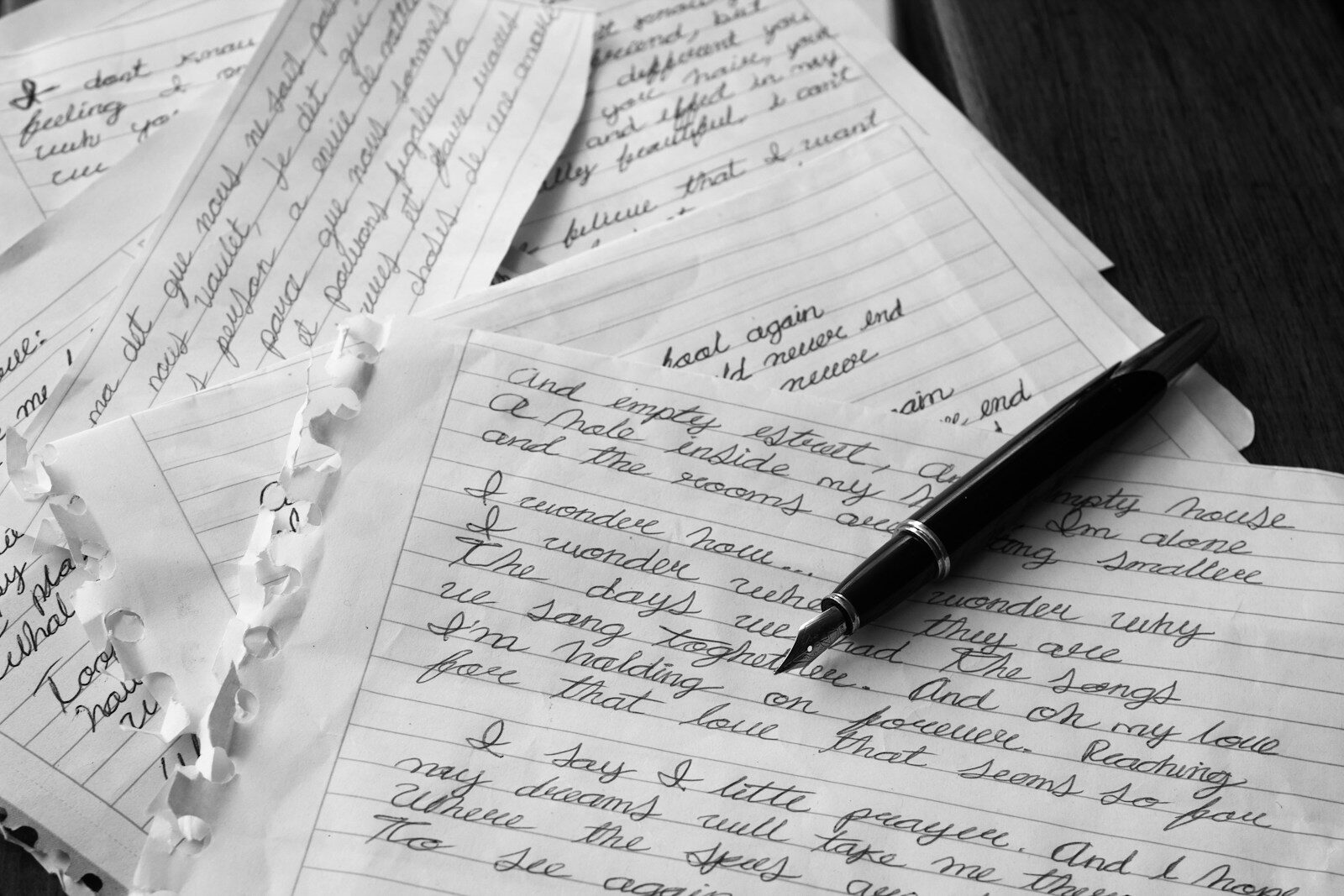
When to NOT Follow Writing Advice
When I consider my decades as a writer, teacher, and book coach, sometimes I also think about how much writing has actually changed during that time. When I first started, writers were basically given a list of hard and fast rules, things that could turn an agent, a publisher, and/or a reader off so much that the book cover closed and your career could be over. Discouraging, right? It really was. Almost the only way you could sneak a “broken” rule into a story was to publish it yourself, something that was almost unheard of forty years ago except in very rare occasions.
Times have changed.
Nowadays those “old rules” are absolutely not deal-breakers anymore and I see them a lot in different places. But maybe we can salvage some of them, because they really did make a difference in how a book is structured and how it reads. In fact, there was a reason for those rules. Maybe if we can figure that out, we can work around them.
For instance, writers were taught to never start a sentence with “and,” “but,” or “because.” Which was always hard for me, since I both think and talk like that. And you have to add, “so” to my list. But what if (oops!) it connects sentences in such a way that the words flow? I studied under and taught for Margie Lawson for years and I really like one of her Margie rules – “Flow trumps grammar every time.”
If a but or so makes the story flow, use it!
Another one is to eliminate passive voice whenever possible. Passive voice is most associated with the word “was” but there are many examples. What a lot of people want from a story is a tight connection with a character where we can even pretend to be them, right? If we aren’t using an active voice, where we can talk like the character even in narrative, the depth of emotion and feelings can be lost. This actually wraps around another rule, “show, don’t tell.”
Here is a passive, telling sentence: “She was tired.” Yes, the reader can extrapolate from that, but let’s try this instead: “The kind of tired that follows a full day had settled in, and everything seemed to require just a little more effort than it should.” We’re saying the same thing, but we can really see this character fighting to get through a hard day. It’s doing two jobs – showing the reader and actively moving the story forward.
Next, never use sentence fragments. These still catch me up but, like all of the other rules, they have a place. Think of it this way: Periods mean more than just “stop.” They take a reader to the end of a thought. Our brains are used to periods; we’ve seen them our entire reading lives. So, (oops!) when we see one, we automatically think that we’re ready for the change in our tracking a story, and we get ready for the next sentence. A fragment, without the normal sentence fragment of noun, verb, object, gets mixed up a little and throws off that flow that Margie thinks is so important. But (oops!) we can certainly use fragments in places that need them. Maybe a hot argument. Maybe a tight, action-filled scene. Maybe even a sitting-in-the-corner ugly cry scene (oops!). Because we humans actually do speak and think in fragments. Why shouldn’t our characters?
One more of the dozens and dozens of rules:
Adverbs are lazy writing. I agree, most of the time. I have a friend who heard an adverb as a youngster in a girl-detective type book. “Slangily.” Like someone casually using a slang word. She put in into one of her own books and got her hand slapped. So, (oops!) that’s not one I’d use. But (oops!), does that mean we should never use them? My editor brain says no. Use them. Sparingly (oops!). With intention, not just because they’re easy.
Okay (oops!), so we can break rules if we want to. But let’s see if there may be a reason they were created in the first place. Rules are often built on bad writing. Most of them, at least in my humble opinion, resulted from overdone writing. After all, if one adverb works in a particular place, why won’t two dozen adverbs work too? Let’s just throw them in and see where they land. That’s what I consider bad writing. After all, each word is supposed to matter in story, right? We choose the words we think are the absolute best ones to move the story forward. Instead, if we can slow down and allow the word to do its job, it just becomes good writing.
And (one last opps!), bottom line. We may not understand the old rules but they were there for a reason. I truly believe it was a good one. Now, we just have to determine how to make it work for us.
What favorite writing rule do you break all the time?

Sarah (Sally) Hamer is a lover of books, a teacher of writers, and a believer in a good story. Most of all, she is eternally fascinated by people and how they 'tick'. She’s passionate about helping people tell their own stories, whether through fiction or through memoir. Writing in many genres - mystery, science fiction, fantasy, romance, medieval history, non-fiction – she has won awards at both local and national levels, including two RWA Golden Heart finals.
A teacher of memoir, beginning and advanced creative fiction writing, and screenwriting at Louisiana State University in Shreveport for over twenty years, she also teaches online at both margielawson.com and nostresswriting.com and blogs for writersinthestormblog.com/ and thewriteconversation.blogspot.com. Sally is a free-lance editor and book coach at Mind Potential, with many of her students and clients becoming successful, award-winning authors. Find her at sa***@***********al.org
Featured photo courtesy of Unsplash.
Tagged as:
Subscribe to WITS



Recent Posts
- We Don't Need No Stinking Rules!
- Believable Character Decisions: How to Make Readers Trust Your Characters
- Writer Self-Doubt: What We Notice When It Hurts
- The Decline of Creativity: What Happened to Our Creative Mojo?
- Author Marketing Burnout: My Shouldshank Redemption