By Jaime Buckley
Let me guess.
You have a draft sitting somewhere. Maybe it's on your hard drive. Maybe it's a half-finished Google Doc you haven't opened in three weeks. Maybe it's an idea you've been carrying around in your head so long it's started to feel like furniture.
And every time you think about actually putting it out there...something stops you.
You've probably told yourself a story about why. You're not ready. It needs more editing. The market's too crowded. Nobody wants to hear what you have to say. You don't have a platform yet. The timing's wrong.
I believed every single one of those stories. For years.
Here's what I know now, after building a readership from scratch, losing everything I built, walking away from my own writing for an entire year...and coming back anyway.
Those aren't the real reason.
The Lie We Tell Ourselves
The story most writers tell themselves is that they're afraid of failure.
Afraid of bad reviews. Afraid of silence...the kind where you publish something and nobody responds. Afraid of being told, flat out, that you can't write. That your story doesn't matter. That you wasted your time.
That fear is real. I won't pretend it isn't.
But for most of us? That's not the actual wall.
I know this because I lived the other side of it. I built a website that drew over 750,000 visitors from 60 countries in its first year. Tens of thousands of registered users. Daily traffic that made no sense for a nobody from Utah with no marketing budget and no connections.
I had an audience. A real one.
...and then I stopped.
Not because I failed. Because something about succeeding terrified me more than failing ever had. I just didn't have words for it yet.
The Fear Nobody Talks About
Here's the thing about failure...you know how to handle it. You've been handling it your whole life. Getting up, dusting off, trying again. There's a muscle for that. Writers are built for failure. Rejection letters, bad drafts, dead ends. We know this territory.
Success is different.
Success means people are watching. It means expectations. It means the next thing has to be as good, or better...and what if it isn't? What if the first one was a fluke? What if you've already done the best work you'll ever do, and everything from here is a slow disappointment?
What do you do when there's no longer a wall to push against?
I'd been used to fighting. Used to getting up one more time than I was knocked down. That was my identity. Take that away...and what am I?
That thought made my hands shake.
So I found ways to slow down. To get distracted. To tell myself I was being responsible, strategic, patient. Meanwhile, the writing sat untouched.
If this sounds familiar, I'm not surprised. Because this is the real fear. Not "what if I fail?" but...
What if I actually succeed?
What Happens If It Works?
Sit with that question for a second.
What happens if you publish, and people love it? What happens if the audience shows up, the comments roll in, and suddenly there are real human beings waiting for your next piece?
Does that excite you...or does some part of you want to close the tab?
I'm not asking to be dramatic. I'm asking because your honest answer tells you everything about what's actually holding you back.
Writers who fear failure avoid starting.
Writers who fear success avoid finishing.
They edit one more time. They redesign the header. They decide the niche isn't quite right. They spend six months building the perfect system for publishing...and never publish. The preparation becomes the point, because preparation has no consequences.
Finishing has consequences. Putting it out has consequences. Being READ has consequences.
And somewhere in your gut, you already know that.
The Day I Had to Admit It
I didn't figure this out on my own. I had to lose everything first.
After my audience disappeared and my writing career fell apart, I spent a year convinced a single critic had been right. That I couldn't write. That I was never meant to be a writer. I pulled every book, every blog post, every piece of content I'd ever made...offline.
It took my wife and daughter to pull me back.
My daughter handed me a box set of books and told me to read them. Said they reminded her of how I wrote. And she was right. I read them in an afternoon.
"That's how you write," she said.
"Whatever," I said.
"Then why not struggle for your own dream," my wife said, "instead of someone else's?"
...I had no answer for that.
What I eventually understood was this: I had never really believed I deserved the success I'd already had. So when someone gave me a reason to walk away from it, I took it.
That's what fear of success looks like in practice. It doesn't announce itself. It just hands you a convenient excuse...and you take it.
How to Know Which Fear Is Yours
Here's a simple test.
Think about your writing. The piece you haven't published, the series you haven't started, the newsletter you've been "almost ready" to launch for six months.
Now ask yourself: if I knew for certain this would fail...would I still write it?
If the answer is yes, you're afraid of something other than failure.
If the answer is no...that's worth sitting with, too.
For me, the answer was always yes. Even in my worst moments, I kept writing. Not publicly. Not for anyone. Just because the stories wouldn't leave me alone. That told me the fear wasn't about failure.
The cure, by the way, isn't a mindset shift or a motivational quote. The cure is a smaller stage.
Start somewhere the stakes feel manageable. Write one piece. Put it in front of a small audience. Watch what happens. Let the evidence replace the assumption.
That's exactly why I started on Substack. Not because it was perfect...but because it was a room I could walk into without feeling like I had to fill a stadium on day one. A place to build something honest, piece by piece, with people who chose to show up.
Just Be You
The last thing my wife said to me, when I was at my lowest, was the simplest thing anyone has ever told me.
"Just be you, my love. Just be...you."
That's it. That's the whole answer. Not a strategy. Not a platform hack. Not a content calendar.
If you're sitting on writing that matters to you...it already matters. The fear telling you otherwise isn't protecting you.
It's keeping you from the people who need to read what only you can write.
Start small. Be honest. Show up.
The draft on your hard drive is already waiting.
So are your readers.
What's holding you back?
If you're ready to build that kind of writing practice with real structure and support behind it, consider our course, Substack for Authors. That's where we help writers stop hiding and start building something that lasts.
About Jaime
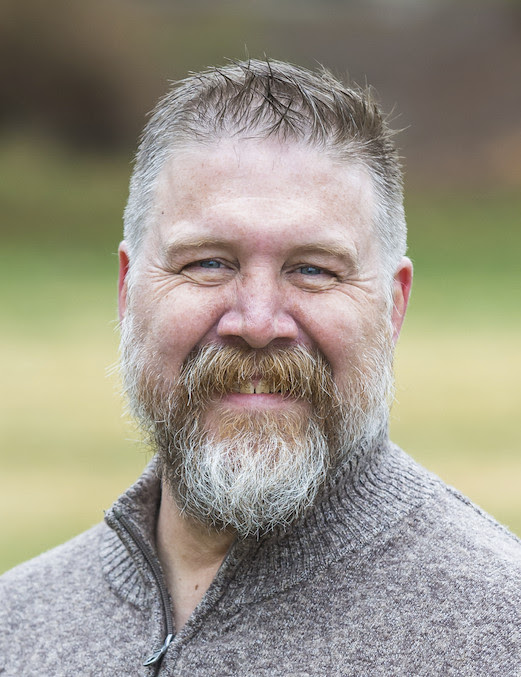
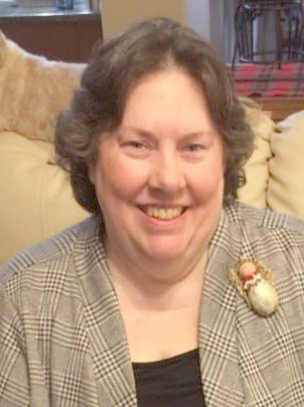
Jaime Buckley is the author of the Chronicles of a Hero series and the founder of LifeofFiction.com on Substack. He teaches writers how to build a sustainable publishing practice at JaimeBuckley.com and through the online course Substack for Authors.