Writers in the Storm

A blog about writing

storm moving across a field
How to ADAPT to Change in 2024

by Lisa Norman

The one constant with technology these days is that it’ll change much sooner than we want it to. The speed of change is only going to increase over the next year. Adaptability is now a basic life skill.

We need to remember that not all change is bad. While it can be painful to adapt, if we focus on improving our procedures as we work through the changes, we may find that change can bring unexpected benefits.

The last couple of weeks, I’ve been going through a huge tech change in my own work, and decided to share the process that I used to survive.

Awareness

The first challenge is knowing when adaptation is required. The constant bombardment of news about changes in social media platforms, companies being bought out, and potential doomsday scenarios for different companies is overwhelming. Knowing what to listen to and what to ignore is a critical part of surviving in this modern world. How can we tell what is important and what is just noise?

My example:

I knew that one of my favorite programs (Evernote) had a new owner, and I was watching the changes, but they hadn’t affected me. The new owners changed the heart of the company’s philosophy. I don’t have a problem with a company trying to make more money — and I understand the need! — but to me, how they changed was problematic.

One of the core principles of the original program was that our notes were safe with them. The creators intended Evernote to be a second brain, a place where you could safely store stuff so that you could get to it quickly but didn’t need it to take up space between your ears. I used Evernote every day. And yes, I was a paying member.

Free users could get value from the program. Over time, even free users built up a lot of information there, and Evernote kept it safe.

The new owners have new priorities: finances. All free accounts — and many of my students are on free accounts — found themselves suddenly limited. They couldn’t create new notes, and even viewing their existing notes quickly became problematic. A second brain isn’t useful when locked behind a paywall.

When I recommend a program, my reputation is on the line.

I could no longer recommend Evernote because people’s notes were becoming inaccessible. Evernote doesn’t care. Pay us money to get your brain back. That’s harsh. That’s not something I can support or recommend. I understand they bought this company to be a cash cow and they intend to milk it. And that’s their right. But I can’t send new users to experiment with a program that is going to treat them that badly.

And if I can no longer recommend the program, then why would I stay with them?

The problem:

I had thousands of notes in the program. Again, this was my most-used software program, always open on both my computer and my phone.

The first step is becoming aware of the need to change.

Discovery

I launched into an in-depth exploration of the situation and the alternatives. There was a reason I’d been recommending Evernote.

In the discovery phase, you’re experimenting and exploring, looking through the available choices. You’re also determining when the time would be right to make the change.

Here we are at the turning of the calendar. Changing programs that are this major made sense to do in December so I could start January fresh.

Everyone knows I love World Anvil. I’d already moved my writing from Evernote to the anvil. But using World Anvil as my main note program felt like bending the anvil too far from its original purpose. I’m already using it to run a school. I think I’ve pushed the edges far enough, although any time I spend in World Anvil is the best time!

I tested many alternatives and spent some time lurking in the Evernote forums, learning from other people’s experiences. There wasn’t a clear winner, a replacement I felt comfortable recommending to everyone, but I found a few that would work and that I felt safe recommending.

Acceptance

Once you’ve decided to adapt, there’s an acceptance step. You download the new software. You study it and learn. Don’t forget this step for any new software or technology. Take a moment. Accept it into your life. Explore how it works. Run some tests.

Accept that the process of adaptation is probably going to be uncomfortable.

I use an unconventional keyboard layout. (Colemak instead of QWERTY.) A friend suggested I try it when my joints started aching. It has been a tremendous boon to my life as I no longer have constant joint pain in my fingers. But during that transition? That was agony. My brain was constantly struggling. Something as fundamental as typing became foreign.

In this adaptation, I downloaded several options on my phone and my computer and tried importing my existing notes. Eventually, I settled on OneNote because it works well with the structure of the notes I have and because it makes use of a subscription I’m already paying for.

Progress

Adaptation doesn’t happen overnight. I’ve moved all my notes into the OneNote program. Then, I closed Evernote.

Currently, I’m not opening my old Evernote unless I’m stuck in OneNote. So far, I’ve only needed it once.

There was a moment when I needed to start a note quickly while talking on Zoom. Under pressure. Being watched. And then I realized there wasn’t a button to create a note the way I wanted to because OneNote forces me to create notes in a more organized fashion than I have in the past.

After I took a breath, I learned how to do something new on OneNote and decided the transition may not be the end of my creative life. (For the way I want to use OneNote, I want to keep it more organized than my old Evernote account was. I needed to find the right notebook and then add a page to it. Took me a bit, but I found it!)

As you go through the process of adaptation, celebrate the wins. Celebrate the times of success. Remember that there will be terrible moments, but there will also be new discoveries.

Transformation

As the progress continues, you’ll start getting the benefits that you were looking for in the earlier stages. Remember: you made the choice to adapt for a reason. There is a benefit. For me, it’ll be in reduced cost and not supporting a company that I no longer believe in.

What's the outcome of my adaptation? I’m becoming even more organized, and I’ve found a lot of information that I’d lost in Evernote, things I didn’t even realize I’d lost. Sweeping out my second brain and re-organizing it has been a tremendous gift. I'm spending less money, and creating new processes that are helping in every area of my work. Since OneNote is more closely integrated with other tools I use, some bumps that I'd learned to ignore are now smoothing out. It isn't easy yet, but I can see how this change will help future me.

What are some examples of adaptations you’ve needed to make in your writing life?

About Lisa

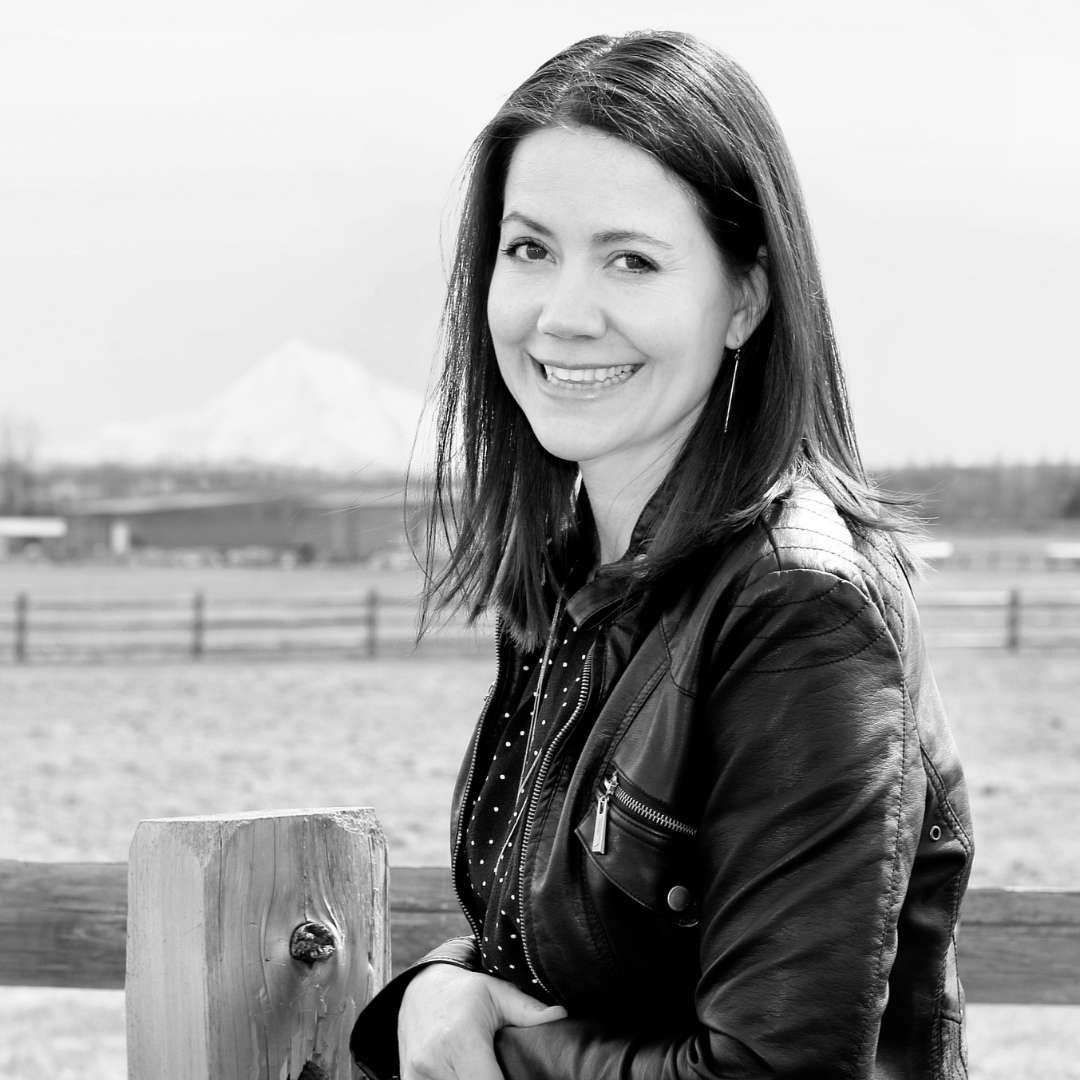
head shot of smiling Lisa Norman

Lisa Norman's passion has been writing since she could hold a pencil. While that is a cliché, she is unique in that her first novel was written on gum wrappers. As a young woman, she learned to program and discovered she has a talent for helping people and computers learn to work together and play nice. When she's not playing with her daughter, writing, or designing for the web, she can be found wandering the local beaches.

Lisa writes as Deleyna Marr and is the owner of Deleyna's Dynamic Designs, a web development company focused on helping writers, and Heart Ally Books, LLC, an indie publishing firm.

Interested in learning more from Lisa? Sign up for her newsletter or check out her brand new classroom where she teaches social media, organization skills, and marketing for authors!

Top image by Irina Drozd on Deposit Photos.

Read More
Gear Up for a Productive New Year

By J. Alexander Greenwood

As the new year unfolds, it's the perfect time for writers like us to reset, reorganize, and rejuvenate their creative process. Whether you're crafting mysteries, spinning tales on your podcast, or shaping influential essays, staying organized is key to success. 

Let's explore some practical ways to streamline your workflow, interspersed with personal insights and tools that I use in my own writing journey. These things help me write books, produce two podcasts, write two newsletters, run a business, and market everything I do. I did the math, and these tools and processes combined easily save me twenty hours of work a week.

Don’t get overwhelmed by expectation. Start by setting clear, attainable goals for the year. Whether it's completing a novel, growing your podcast audience, or reaching 1000 subscribers on your newsletter, having concrete objectives keeps you focused. Break these goals into smaller, manageable tasks and set deadlines to keep yourself accountable.

A cluttered workspace can lead to a cluttered mind. Dedicate time to create a writing environment that's conducive to productivity. This doesn't mean you need a complete overhaul; sometimes, a tidy desk, comfortable seating, and a little personal touch can make all the difference. 

Less is often more when it comes to a productive workspace. A minimalist approach doesn't mean a bare office, but rather a space where every item has a purpose and a place. This approach not only clears physical space but also helps in reducing mental clutter, leading to improved focus and efficiency.

For example, I made an effort to clear off my cluttered bookshelf, which is the backdrop to my Zoom calls with clients and podcast guests. I have packed it with so many books and trinkets that it looks like a thrift store bargain shelf! So, I gave away a dozen or so books and have moved some of my keepsakes elsewhere. It looks better, and other people get to enjoy some wonderful books guests on my show gifted me for review.

Leveraging digital tools is a game-changer for staying organized. For instance, I use Harvest for project management. It's a versatile tool that allows me to track my progress as a PR consultant, writer, and ghostwriter. Similarly, tools like Evernote or Google Keep are excellent for jotting down ideas and organizing research. And I simply could not keep up with producing my podcasts if it weren’t for Calendly, which creates workflows that help me automatically book, pre-interview, and communicate.

Time management is crucial. Techniques like the Pomodoro Technique, where you work in focused intervals, can significantly boost productivity. I am also a big fan of the Eisenhower Matrix, which I have written and podcasted about. It helps you manage by illustrating the difference between the urgent and the important.

As a writer and podcast host, I rely on a combination of writing and design software. Scrivener is a fantastic writing tool that helps in organizing complex writing projects, while Canva is excellent for designing graphics for my blogs and podcasts. 

And don’t be afraid of AI—it’s a tool (just like spellcheck, Grammarly, etc.) that can help you organize your thoughts, create images, and more. It is not a substitute for creativity—but used correctly, it will enhance your work magnificently.

These tools not only streamline the creative process but also add a professional touch to your work—and save you money.

It's important to regularly review your goals and workflow. This could be a monthly or quarterly review to assess what's working and what needs adjustment. Flexibility in your approach ensures you stay aligned with your evolving objectives. 

Don't underestimate the power of networking and collaboration. Platforms like LinkedIn or writer groups on Facebook can be great for sharing ideas, getting feedback, and staying inspired. Plus, you never know when a connection might lead to a new opportunity. The biggest reason I podcast is to network with new people. It has paid off in spades, professionally, financially, and personally.

Invest time in personal development. Attend workshops, webinars, or courses to enhance your skills. Platforms like MasterClass or Coursera offer courses on writing, marketing, and more, which can be immensely beneficial. Join a local writing group or beta circle to make friends who understand the journey you are on. Real talk: this is advice I need to heed, myself.

Lastly, take care of your physical and mental well-being. Regular exercise, a healthy diet, and adequate rest are crucial. If I did not work out five to six days a week, I would be in a world of hurt physically and emotionally. Get out of the house, get your blood flowing! Remember, a healthy body fosters a healthy mind, which in turn nurtures creativity. 

As we step into the new year, let's embrace these strategies to stay organized and productive. Remember, the key to successful writing isn't just talent; it's also about how effectively you manage your time, workspace, and resources. Here's to a year filled with achievements, growth, and, of course, fantastic writing!

What strategies and tips keep you on track for the year? Is it one of the above, or something else entirely. Please do share with us down in the comments!

About Alex

Alex Greenwood


J. Alexander Greenwood is an award-winning writer, public relations consultant, podcaster, speaker, and former journalist and broadcasting executive. He is best known as the author of the John Pilate Mysteries and host/producer of the Mysterious Goings On podcast and the PR After Hours podcast. Alex is also the author of the Amazon Top-Selling eBook/audiobook, The Podcast Option. You can read his blog at JAlexanderGreenwood.com.

Image credit: © 2023 J. A. Greenwood. Image created by AI technology. All rights reserved. This image is proprietary and may not be reproduced, distributed, transmitted, displayed, published, or broadcast without the prior written permission of the creator.

Read More
Winning Technique: Listen to Advice

by Joseph Lallo

Writing is solitary. That’s certainly the way we’ve come to view it, at least. It is a common trope in fiction to present an author as desperate for the opportunity to shut the world out, to find a quiet place where they can be left alone to work. Spend some time on social media and you’ll see no end of people engaging with memes offering a hypothetical deal like, “You have to stay in this cabin alone for 30 days with no phone or internet, but at the end you’ll be given a million dollars” and see authors asking what the downside is. And at a surface level, this solitude is accurate.

You can and most likely will do the bulk of the task of writing by yourself. But this can lull authors into the unproductive and potentially destructive mindset that they shouldn’t accept help or seek collaboration. Worse, some are of the opinion that they can’t seek help or take input, because that would somehow make them “not a real writer.” This line of thinking can lead an author into some unnecessary pitfalls and dead ends. So, while if you’re reading this you’re probably not a strict observer of zero input writing, let me take a moment to make a simple recommendation: Listen to advice.

If you know where to look, you’ll find valuable advice available at all stages of the writing process. So let’s take a look!

Before you start

The preparation stage is arguably the most contentious place to seek help as a writer. This is thanks in large part to the enormous variety of reasons that people write. Many authors start writing because they had a brilliant idea that they simply had to write. And surely if the whole reason you’re writing is to share something unique and personal, then what good does outside input have? But there are plenty of reasons to seek out advice at this stage, or listen to earnestly given advice from people in the know.

Let’s suppose your idea is your first novel.

Regardless of how brilliant the idea is, having someone with greater experience in the craft there to give you some pointers on pacing, structure, and potential stumbling blocks to avoid can save you literal months along the way. And even if you’re a seasoned writer, if this new idea is a step into a new genre, it’s easy to miss genre conventions if you don’t have a word with people who are more familiar with reading or writing in that genre. Ask me how I know.

An example

Okay, I’ll just tell you. As I’ve recounted elsewhere, I’ve frequently switched genres to try new ideas and new settings. Some, like sci-fi, were right in my wheelhouse and I was quite comfortable with my ability to navigate the defining traits. Others, like steampunk, were a little less familiar. And though I wrote a story that found its own legs, I missed the mark on multiple elements of setting. I did a secondary world rather than Victorian England, for instance.

And then there was my foray into urban fantasy. I did a lot of research into this, reading over a dozen books in the genre. I soaked up what I thought made for a “proper” piece of urban fantasy writing. But it turned out the kind of Urban Fantasy books that attracted my attention were outliers. The ones I picked lacked some subtle but highly indicative features of the genre. For example: first person narration and a focus on existing supernatural entities like vampires and werewolves versus creating new ones.

In both cases, to varying degrees, I was able to get my ideas across and find something of an audience. But I had to overcome friction that I could have easily avoided if I’d reached out to someone for advice.

While you write

When we construct stories in our heads, we know everything about them. We know the facts, the motivations, the idiosyncrasies, and the other minor points of the story. We know that our hero knows that the evil chancellor is betraying her because she overheard him plotting thanks to the echo of his voice through the drafty halls of the great palace. Thus, it might not occur to us that we didn’t set that fact up, or maybe even forgot to mention it.

It is devilishly simple to leave crucial information or necessary foreshadowing out of our story. Over the course of the months, or years of writing, we start to lose track of what’s on the page versus in our heads. Sure, we can catch these things by carefully re-reading and revising. But getting a view from outside your head is a much more reliable way to catch things that have been left out.

Connecting with others

A great way to get advice like this is to join a writing group.

In addition to other valuable things, like helping you keep your productivity up by making yourself accountable to others, or exposing yourself to other people’s writings to learn from their tricks, flaws, and assets, it makes sure that a person who doesn’t already know the story can still follow the story. Doing this while you’re writing means a small change now can achieve what might have needed a full rewrite later.

If you have the money, this is also often where you’ll be working with a developmental editor. I won’t go too deeply into the importance of considering the advice of a development editor, though, because considering how much they cost I certainly hope you’re listening to what they have to say. Though if you do need advice on how to take their advice, then read on.

Finishing Up

Even those who vigorously evade interactions and input on their writing tend to have some fairly significant collaboration after a draft or two. That’s when you’re likely to hand things off to an editor for clean-up. Thus, even if you haven’t had to do so before, now’s the time to learn not just that you should take advice, but how you should take advice.

The first, and most important thing is this: You don’t have to. It seems silly to write an entire article about taking advice and then tell you to ignore it. But this article isn’t about taking advice. It’s about listening to advice.

I think one of the things that chills people to the idea of getting input on their stories is the false belief that advice, once given, is somehow an obligation. You can always disregard a recommendation if you feel it doesn’t suit you. This is your story, after all. But always listen. Always know what they were suggesting, and try to know why they suggested it.

Sometimes skipping that advice will have consequences. If you want to maintain your voice by keeping a grammatical quirk intact, you can do that! But chances are the editor isn’t the only one who’ll flag it as a mistake, and customers tend to do that with lower star ratings and snide reviews.

Suggestions that don't make sense

But lots of advice you’re bound to get–particularly from people who aren’t professional editors–will come in the form of some veiled version of “You’re not doing this the way I would have done it. Change it to how I would have done it.” And those are notes you simply don’t have to take. But even when you disregard the specifics, there is value in understanding why the advice was given.

The thought that goes through a beta reader’s head will go through a reader’s head. And if they interpret something differently from how you’d intended, it may be worth a change even if it isn’t the one they recommend.

Changes that do make sense

Then there are the changes that do make sense.

Plot holes, inconsistencies in characterization. Little things you missed. These should be easy pieces of advice to take, but for some even these feel… wrong. It’s not hard to understand why. You’ve spent time, in some cases years, sculpting this story. It is in a very real way a glimpse into your mind, a more personal and vulnerable window into your thinking than most people will ever create.

A criticism or an observed flaw can feel like an attack. But it is important to temper those feelings. Even if someone is blunt or harsh, remember that their words are directed at the story, and try to metabolize the wisdom of every critique before you raise your defenses. And believe me, when it’s really important, you’ll be raising those defenses.

Questioning Choices

Piet Hien said, “Problems worthy of attack prove their worth by fighting back.” He was a scientist, so he probably wasn’t talking about the protagonist of a sci-fi story causing a purse to burst open in a zero-gravity slap-fight, but the spirit of the quote remains true.

Those parts of your story which you feel compelled to defend? Consider why you need to defend them.

It’s not really in good taste or form to have a protracted debate with your editor about plot points and such, but if you feel the need, then you know that the focus of that criticism is close to the heart. Ask yourself why. Ask yourself why you want it the way it is, and why they want it changed.

If the answer is “pride,” sorry, not good enough. But if the answer is “That’s how that character would act!” then there’s something to that. If you have a close friend doing beta reading for you, it’s probably worth going back and forth a few times. You may still end up taking the advice, or you may end up ignoring it, but in either case you’ll know why and that will make you a better writer.

Marketing your books

If you’ve reached the point of marketing your books, I hope you’ve learned to know when to take advice and who to take it from, but this is a place where a lot of people can trip up.

Unless you come to writing by way of a job in advertising, there’s a strong likelihood you know less about the market you’re going into than the craft that went into the book. I highly, highly recommend seeking advice from those who have gone before you and considering all evidence and all recommendations you get. The clearest example I can give you for how this has worked out for me is the cover of the first book I had any success with, The Book of Deacon.

An example

My first cover was… not great. I made it myself, and I didn’t do a great job. I knew that. The second one wasn’t all that great either. But when I got some money, I sought out a cover illustrator/cover designer. And boy, let me tell you, I put some serious thought into what that cover should have.

“Okay, so the hero’s story starts when she finds this sword. So I want her in a snowy field finding the sword. There’s a dead figure in the snow, and she’s holding the sword she’s salvaged from the fallen soldier and investigating it.”

The artist said.

“Um. First, you don’t need a faithful representation of a precise scene from the story on the cover. The words are for telling the story, the cover is for giving a feel of the story. Let’s simplify.”

So I said,

“Oh. Okay, well, she’s got the sword then, and she’s looking at it.”

“She should be looking at the audience, inviting us to learn her story. Your main character should have a connection with the audience.”

“... But then she’d just be holding a sword.”

“So skip the sword.”

Bit by bit, almost every part of the staging of the cover was reconfigured. The result was a focused, determined woman who radiated strength, alone in an icy storm, clutching a source of mystic power and in all other ways mysterious. It remains my most iconic cover, and is responsible for more of my success than I’ll ever know.

I could have easily dug in my heels. He would have drawn what I described, and it would have been a beautiful cover, but I’m quite sure the result would have been missing the wisdom, design instinct, and visual storytelling that perfectly complemented my literary storytelling.

Hard Mode

What I’ve said above is basically all you need to know. Seek advice when it’s available, learn why that advice came up, and take the advice if it makes sense.

But there is a final branching path. The reviews. Technically, every book review contains some semblance of advice. Even the ones that are just stars. A five star review says “Trust your instincts! They made a good book!”. A one star review says, “You failed to make something universal in its renown.” But a lot of reviews will contain more specific points.

There will be discussions of disappointment about choices you made, or excitement about potential.

Now, overwhelmingly I’m of the belief that you should NOT READ YOUR REVIEWS. It is a psychological gauntlet at the best of times. But sometimes, if you’re really getting roasted, it’s worth either taking a look or having friends take a look to see if there’s a common thread among the negativity. Seriously, you might learn–as an entirely random and certainly not specific example–that all of your italicized words are set to “black” instead of “Automatic” in the font color settings, so when your book is read in dark mode, italic words are invisible.

The point is, if there’s a lot of bad to be said, you owe it to yourself to learn if it was something mechanically wrong with your writing. But don’t make a habit of reading those reviews. They hurt.

And that’s it! That’s the advice I have for you.

What are some of your stories related to taking advice?

* * * * * *

About Joseph

Joseph Lallo

Joseph R. Lallo took a crooked path to authordom. He was educated at NJIT, where he earned a master’s degree in Computer Engineering, and paid his bills in the world of Information Technology until Sept of 2014, when he finally became a full-time storyteller. The international bestseller The Book of Deacon defined his early career, and he has since written dozens of novels, short stories, and novellas. These include the critically acclaimed Steampunk series Free-Wrench and the thrilling sci-fi adventure saga, Big Sigma

Outside of writing, he has co-hosted multiple self-publishing podcasts over the years, including the Six Figure Authors podcast with Lindsay Buroker and Andrea Pearson and the Science Fiction and Fantasy Marketing podcast.

Website | Twitter | Facebook | Tumblr | Wattpad

Top image from Depositphotos.

Read More

Subscribe to WITS

Recent Posts

Search

WITS Team

Categories

Archives

Copyright © 2026 Writers In The Storm - All Rights Reserved