By Kris Maze
As writers, we often find solace in the written word, but what happens when the holiday season brings more blues than cheer? It's not uncommon for many to feel a bit down during this time of the year. In this blog post, let's explore some simple yet effective ways to reignite your creativity and make the most out of your writing, even when the festive spirit seems elusive.
Embrace the Quiet Moments
The holidays can be chaotic, but amidst the hustle and bustle, find solace in the quiet moments. Use this time for introspection and let your thoughts flow onto the paper.
Holiday Cookies
As part of my holiday celebration, I love to join others in a cookie bake. Baking (and giving away the goodness we create) is one of my love languages. During other times of the year, I will bake muffins, or biscuits from scratch to share with friends and family, but I especially look forward to making these holiday cookies.
It’s the time of year I can take out my cookie cutters and the press for spritz cookies. I enjoy making foods that specifically fit diet plans and restrictions, so it isn’t just a love-hate battle when dealing with a plate full of sweets promising a sugar high and a weight-gain regret.
But this year, my plans fell through, and my holiday bustle of baking was cancelled. I was disappointed at not seeing this group of friends but found that I really benefited from the downtime. Instead of driving across town and hauling all of my empty containers for finished cookies, I made my batch at home and wrote during the wait time.
As an introvert, I didn’t feel drained after, and I made progress on editing my manuscript. Win-win. And since I still had my favorite cookies to share, win-win-win!
Try it
Take a stroll through a serene winter landscape or find a cozy coffee shop corner with a cup of tea, allowing your mind to wander and your creativity to flourish.
Reflect on the Year
The end of the year often prompts introspection. Use this opportunity to reflect on your personal and writing achievements. Celebrate your successes and learn from your challenges.
Name Each Year
I have made it a habit since my teen years to name each year. I would have to dig through dusty old boxes in a garage in another state, but I’m sure I could list these in their entirety someday. The exercise of narrowing my year to a singular word has helped me summarize the big-picture lessons I may have missed otherwise. Not only do insights from these lessons manifest in my personal life, these nuggets of learned wisdom also become good fodder for stories.
Sample years
- Adventure: the year I went to Honduras to learn and practice my Spanish
- Heartbreak: the year my first serious college boyfriend and I broke up. On my birthday. Right before Christmas. It turned out alright as I soon found out that he had been seeing another young woman in another state all along. Which led to…
- Wow! I-dodged-that-icky-relationship: the year that I realized that it’s alright to discard broken, burdensome things. And then I went to Honduras for another summer of interesting experiences. Which then flowed into…
- New locations: the year of leaving my childhood city to move to a remote town and building a life as an adult.
- Yadda Yadda: the year the blur of motherhood began and I started to take myself less seriously, discovering a new level of caring for others.
The point isn’t just to find big events, but to reflect on the feelings and takeaway lessons I obtained. The journals may start with the key word but are followed by pages of questions and relatively primitive answers. Focusing on new ways of thinking and acting helped me to solidify my observations and personal growth.
Try it
Create a "Writer's Year in Review" list, highlighting your proudest moments, no matter how small. This exercise can be a powerful motivator for the year ahead.
Set Realistic Writing Goals
Instead of overwhelming yourself with grand writing plans, set achievable goals that align with the holiday pace. Small victories can lead to a sense of accomplishment.
My Time Tracker experience
You know the feeling—big energy, grand plans, ready to conquer the writing world in a week. It's that burst of enthusiasm that has us convinced we can achieve it all immediately. As Jadah Sellner aptly puts it in her book, She Builds, this is big energy defined. However, the crash that follows such an unsustainable push is all too familiar.
But let's not dismiss big energy entirely. It's the force that drives entrepreneurs and creatives to build something extraordinary. It's in our nature, propelling us to create new and exciting things.
Yet, my struggle with big energy lay in unrealistic goal-setting. Breaking down projects helps, but the unpredictable variables often derail our best-laid plans. Realism became my ally, and here's how I tamed my big energy drain:
- Track your time. Utilize a time-tracker app like The Simple Time Tracker. Assign icons for each writing task, from crafting stories to social media checks. It reveals the time not spent on actual writing, prompting a crucial realization.
- Know your realistic times. With breaks, daily tasks, and distractions, I discovered it took around three hours to craft a blog post or manage a social media campaign. Identifying this allowed me to allocate time more efficiently.
- Delegate social media. Hire a virtual assistant for social media tasks, freeing up time and reducing stress. They excel at post effectiveness, leaving me with more time for creative writing and manuscript work.
- Embrace reflection through posts. Maintain a weekly writing routine with reflective posts. They remain a joy in my writing process, a personalized interaction with readers. No stress, just genuine connection.
While the time tracker is no longer necessary for posts, having a dedicated time slot ensures consistent output. Realizing how long each post realistically takes, from writing to scheduling, aids in effective time management. This proactive approach transformed my writing stress into a manageable endeavor.
So, as you navigate your big energy, remember that realism is your friend. Break down the grand plans, understand your time constraints, and embrace strategic delegation. With the right balance, your writing journey can be both productive and enjoyable.
Try it
Commit to writing a short story, a poem, or even a daily journal entry. The key is consistency, not the quantity.
Find Inspiration in Unlikely Places
Break free from conventional sources of inspiration. Explore new hobbies, immerse yourself in diverse cultures, or delve into unrelated subjects that spark your curiosity.
The Grotto
There is no shortage of holiday events to attend. And in recent years, I have invited my friends with various faiths to attend a lights-and-singing festival held at the Grotto. A primarily Catholic outdoor space of prayer and reflection, the celebration was a heartwarming experience for all who attended. There was also warm hot chocolate to sip as we walked through the wonderland of lights and listened to the many local talent groups singing and playing traditional Christmas music.
It didn’t matter that these friends celebrated the holidays from other faiths; it was a moment of sharing and a place to begin a conversation about how they celebrated their traditions. We talked about their faith and had a meaningful discussion that led to a deeper appreciation and understanding of the ways we view the world through different lenses. But even so, more importantly, it showed us how our worldviews also were the same.
Try it
Attend a local holiday event, explore a museum, or read about a topic you've never considered before. You might be surprised where inspiration strikes.
Create a Cozy Writing Nook
Your writing environment plays a crucial role in your productivity. Design a warm and inviting writing space that beckons you, even when the weather outside is frightful.
My Writing Space
Feeling the weight of writerly blues? Reluctant to face the pen due to the emotional challenges of the holiday season? I get it. Writing is tough, and when coupled with the pressures to be jolly, it can feel like an uphill battle. Take a moment to evaluate your writing space—it shouldn't be another neglected corner during the busy festive season.
The vibe of my writing desk was nothing close to inviting. I realized that I had let my writing space become a dumping ground of past bills and to-dos. No wonder I avoided it, even without emotional detachment. If I wanted to get back into the writing groove, it needed to be a place I felt drawn to and comfortable.
I decluttered the writing surface and filed away any past papers, sorting through the junk and lightening my mental burden during the purge process. The remaining space was functional, but still not inviting. It needed a little more pizazz.
After a trip to a local store where I browsed and bought a scented candle, I found a small light at Target and installed a color-changing bulb. The influence of the lights and aromatherapy were just the right mix to get me back into the writing mindset.
Try it
Add soft blankets, warm lighting, and holiday-scented candles to your writing space. Make it a haven where creativity can thrive.
Handling the Blues
The holiday blues are a shared experience for many, so don't feel alone in this. Acknowledge your feelings, but also be proactive in combating them. Consider reaching out to friends, family, or writing groups for support. Engaging in activities that bring you joy outside of writing can also contribute to an improved mood.
Remember, writing is a journey, and sometimes the road may be a bit bumpy. Embrace the lows, but also celebrate the highs. By finding joy in the process and incorporating these strategies, you can turn the holiday blues into a season of renewed creativity and inspiration. Happy writing!
What do you do when you don’t feel like writing? How do you handle it when a friend is struggling, and doesn’t want to participate in festivities of the holidays?
About Kris

Kris Maze, an education enthusiast with a knack for the written word, has dedicated several years to the world of academia. She writes for various publications including Practical Advice for Teachers of Heritage Learners of Spanish and award-winning blog Writers in the Storm where she is also a host.
She published a YA dystopian novel, IMPACT, with a small press in the summer of 2020. Lately, she has been entering and placing in writing competitions, such as NYC Midnight’s Short Story and Micro fiction contests.
You can find her YA fiction, writing coach resources, and keep up with her author events at KrisMaze.com. Find her darker, scarier fiction at her sister-site KrissyKnoxx.com.
A recovering grammarian and hopeless wanderer, Kris enjoys reading, learning languages, and spending time outdoors where she ponders the wisdom of Bob Ross.
And sometimes she bakes biscuits.
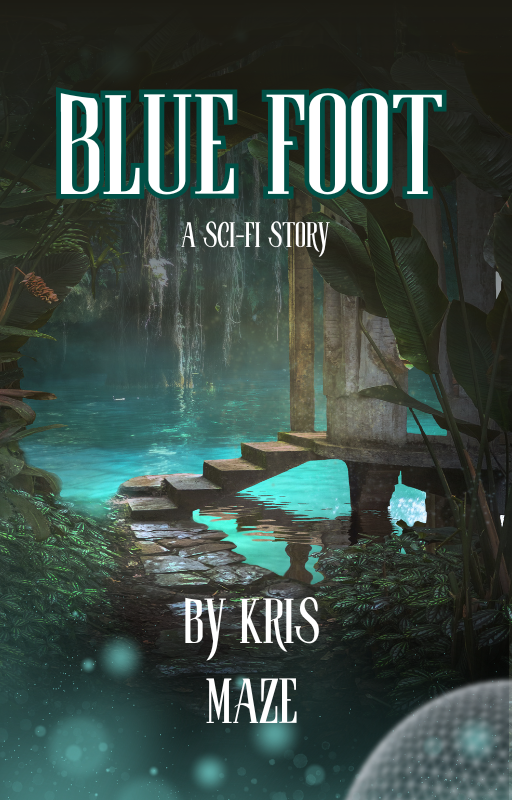
| Wrongly accused and exiled, Ernestina Après faces the destruction of her family and her bucolic life beneath the Dome. The Silver-Waters blessings are not in her favor, despite her warnings to the Counsel that the stream and its resources are running out. Caring for a stowaway, she must find a silver-lining in her dire circumstances. |
Available now in eBook and paperback wherever you find your books!