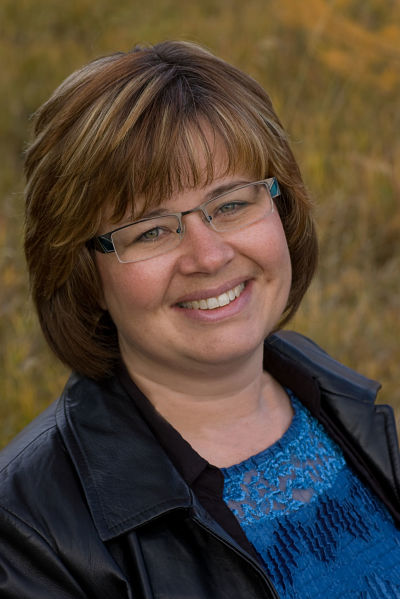
by Lynette M. Burrows
I am an independent author-publisher. I love what I do. But there are things I wish I knew before I published.
I spent years learning how to write a story. Having listened to more than a few science fiction authors, I knew more than the average person about the book publishing industry. I tried the traditional publishing route. My two literary agents were superb at their jobs. They landed me a couple of “close but no thanks” responses from traditional publishers. Then, a friend urged me to go the independent route.
I did a great deal of research about traditional publishing vs. independent published. Finally, I decided independent publishing was best for me and my book. Despite all my research, there are many things I wish I knew before I published my book.
Today, I’ll share the big picture ones with you.
It's A Business
If you want to make money from your books, writing is a business. The choice between traditionally published or indie published is a business decision.
Use the resources of writer organizations like the Authors Guild or Science Fiction Writers of America (SFWA) to educate yourself on best practices. Here at Writers in the Storm, there are many posts to help you decide.
- John Peragine discusses Six Self-Publishing Considerations.
- Piper Bayard’s three-part series, Indie Publishing 101, is also very helpful.
The Business of Being Traditionally Published
The big 5 traditional publishers are relatively big business. But even traditionally published authors need some business skills.
For most traditional publishers to consider your book, you will need an agent. Here are some questions to ask:
- Which agents are best for you to query?
- Do you sign a contract? Or have a verbal agreement? Know the advantages and disadvantages of both.
Be very clear on what the agent will do for you. Make certain you understand the agent’s commission and charges.
- What if you or your agent decide to end your relationship? How do you do that?
- What happens to your books?
If the agent sells your manuscript, you will sign a contract with the publisher. Not all agents are savvy about contracts. Make sure you understand what contract clauses you should avoid. Know what rights you sign over to the publisher.
Other Considerations
Understand what an advance is, what royalties are, and how to read your publisher’s royalty statements. Know what you will and won’t be able to influence during the publishing process. Be certain you can meet the deadlines. Know what your options are if you can’t.
I learned a lot about literary agents in my genre from author friends and from reading articles like What Is a Literary Agent? Pros and Cons of Hiring a Literary Agent by Masterclass.
The Business of Being Independently Published
An independent author-publisher is much more than decisions like: Do you want to make a profit or are purchases by friends and family enough? It's a business. The good news and bad news is that you will be CEO, CFO, COO, and worker bee all in one package. It’s a lot of hats to wear, but you are in control.
What are your business strengths and weaknesses? Does your local, regional, or federal laws require you to have a license? Choose a business model, an accounting method, and a tracking method. I wish I had understood tracking methods better before I published. You can learn as you go. As with most things in life, it will cost you time or money—and sometimes both.
Things I Wish I knew about Business
Among the things I wish I knew before I published is how to write and follow a business plan for authors. Better business skills would have helped me make better decisions. Better decisions may have translated to earlier success.
Investing in Your Business
Writing and publishing books is not a get-rich-quick type of business. A traditional publishing company bears the publishing cost. As an independent author-publisher, you do. The trad published author role is not without its own costs. There are trade-offs. Only you can decide what's best for you and your book.
Investing in Traditional Publishing
A traditional publisher will edit, proofread, and format your book. They will put a professional cover on it. It is rare for trad publishing to give an author a choice in those matters. But no money will come out of your pocket for these services. And you will have a professional-looking book in the end.
Some traditional publishers will advertise. Usually, they spend a lot more advertising dollars on authors who sell well (Steven King or JK Rowling, for example). Unknown or debut authors may wish to augment the advertising by their publisher.
Your Contract
Know if your contract allows you to advertise, go on a book tour, or to sell your books at conferences and conventions. You may get some complimentary author copies. Beyond those few, author copies will cost you. Typically, if a contract allows a debut author to do book tours and conferences, it’s on your dime. What are you willing to spend to help the publisher sell your book?
Investing in Independent Publishing
You can independently publish your book on a tiny investment. There are some authors who do their own formatting, editing, and make their own cover. Your book has a much better chance of selling well with professional level editing, covers, etc. All of those things cost from a little to a lot of money. Research the what type of editor you will need. Learn how to choose which professionals to hire. Know what you’re able to invest.
Know the average cost for editors and cover artists in your genre. Understand that on every platform, on each sale, you get a percentage or royalty. Platforms like Amazon (Kindle Direct Publishing) don’t charge you to publish, but will charge a per product fee and potentially a delivery fee against your percentage of each product purchased. Other platforms, like Ingram Spark, charge a modest amount to publish or republish. If your book doesn’t sell, you may be responsible for the cost of returned books.
Things I Wish I Knew About An Indie's Investment

Investing in your author career wisely is another set of business skills. Having that set of skills would have made me feel more confident in my investment decisions. And it might have saved me a few dollars.
Advertising
Learn about advertising online. You can advertise on almost any social media platform. They each have different costs, and different audiences. Most advertising gurus will advise that you do not advertise your first book. Readers will wait to see if you are more than a one-book-and-done author.
Know your numbers. How much did it cost to create your book? What price will you put on it? How much will you make on each sale?
I might have made a few different decisions if I’d known the details of things like how to track cost vs income and what that meant short term vs long term.
Things I Wish I Knew About Advertising
I was clueless about advertising. I'm learning, but it's a steep learning curve for me. You don't need a degree in advertising to be an indie author. But understanding basic principles of digital and print marketing would be helpful. Hiring someone who is better at it is an option, if you can afford it.
Everything Takes Time
There are hundreds of adages about time. Most of them express at least a modicum of truth. The time things take in the publishing world may shock the uninitiated.
Traditional Publishing
It takes time to find the agent who loves your writing and will attempt to sell it. The agent requires more time to find an editor and publishing house that will buy your book. Contract negotiations can be quick or slow. The publishing house and editor will have other books they are working to publish, so your book may not get much attention for a month or more. Once the editor has thoroughly reviewed your book, they may ask for a revision. Of course, it takes time to revise a novel. Then you wait for the copy edited version. During all this, your editor and publisher will choose a cover artist and cover concept (they rarely give you a choice.) Then, you wait for the printing press to run your book. Next comes distribution and sales and eventually, if you’re lucky, earning out your advance and earning royalties. This can take years.
Independent Publishing
The independent author-publisher must do all the steps the publishing house and editor do the paragraphs above. It takes time. Some authors can produce a book in weeks as opposed to months or years. Some authors skip steps to speed the process. No matter what publishing decision you make, publishing a book takes time. Period.
A day-job will affect the speed of your process. Life can do that, too. Create deadlines with a cushion of time for those deviations in your plans. Experienced author-publishers may get by with a 10% cushion. The less experienced you are, the bigger the cushion you may need.
Publishing Strategy
Traditional Publishing
Your publisher will have a company wide publishing strategy and a publishing strategy for your book. That doesn't mean you shouldn't have a strategy. Part of your strategy is the choice to be published by a traditional publishing company. You will also need a strategy for your brand, appearances, social media, and advertising.
Independent Publishing
You need a publishing strategy that also includes brand, appearances, social media and advertising. Do you want to go wide (publish on more than one site) or exclusive with Amazon’s reading subscription service? Which is best for your genre?
Waiting until your trilogy is complete is one strategy. Rapid publishing is another. Have a strategic plan.
Decisions about what types of stories you write, cover design and what front and back matter to include are part of your strategy. Learn to write an effective book description. (Hint, it’s not a summary, and it isn’t like writing a book.) Choosing categories and keywords appropriate for your book is another piece of your strategy.
There isn’t a right vs wrong time to publish. Your book will never be perfect. You will never be 100% ready. Your book launch won’t be perfect. So when are you ready to publish? It’s your decision.
Independent author-publishers have advantages traditional publishers do not. You can push your publication date forward or back to a certain degree. Changing front and back matter, covers, even your manuscript are all possible when you are an independent author-publisher.
Things I Wish I Knew About Publishing Strategy
I wish I understood publish strategies better before I published my first book. Perhaps having a cohesive strategy to begin with would have strengthen my business from the beginning.
Delays Will Happen
The one thing you can count on in publishing is that there will be delays and problems. Publishers can’t get paper. Or your editor quits and no one else in house wants it.
Book seller sites don’t always load as quickly as they say they will. Or they’ve changed the rules or image sizes. Often, you will need to learn something you didn’t know you needed to know. Sometimes you’ll need to reload your book more than once. And pay the charges more than once.
An independent author-publisher can keep their book as is or pivot and go another direction. Change covers? Change the price? Change the blurb. All, and more, are possible. It requires knowledge of your genre and current book selling trends in order to choose the best path for your book.
Things I Wish I Knew About Delays
I don't think one can anticipate all delays and problems. I wish I'd known that even though distribution platforms like Draft to Digital charge fees for each sale (on top of the sales platform's fees), sometimes saving time is worth the extra cost.
Overwhelmed?

There are a lot of pieces to being an independent author-publisher. Don’t let being overwhelmed stop you. Remember, everything in publishing takes time. Give yourself realistic expectations and deadlines.
If you are overwhelmed, decide on one thing you’ll do today. Give yourself a time limit for investigating that one thing.
Remember, the number one thing you must do if you want a career as an author is write the next book. You won’t have a business if you don’t have books to sell.
Wrong or Right?
There is not a right or wrong choice between traditional or independent. It’s simply a choice. Make the best decision for you and your books.
These big picture things I wish I knew before publishing my first book don’t make me regret my choice. Believe it or not, there are more things I wish I knew before I published. They are for a future post.
I love being an independent author-publisher. I enjoy being able to make all the decisions. I take ownership of my writing and publishing. Yes, I’m a control-freak. And I will continue to learn and grow, even when it’s hard. Even if I learn some things I will wish I’d known when I started.
There are challenges to both traditional and independent publishing. What do you wish you’d known earlier during your journey to be published?
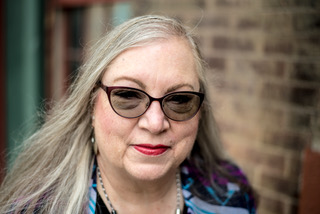
About Lynette M. Burrows
Lynette M. Burrows loves hot coffee, reading physical books, and the crack of a 9mm pistol—not all at the same time, though they all show up in her stories. She writes thrilling science fiction about badass heroes and heroines.
Her series, The Fellowship Dystopia, presents a frightening familiar American tyranny that never was but could be. In Book One, My Soul to Keep, Miranda discovers dark family secrets, the brutality of the Fellowship way of life, and the deadly reality of rebellion. In Fellowship, the series companion novel, a desperate young man and his siblings hide in the mountains from the government agents who Took their parents. Book two of the series, If I Should Die, will be published in this spring.
Owned by two Yorkshire Terriers, Lynette lives in the land of Oz. You can find her online at her website, on Facebook, or on Twitter @LynetteMBurrows.
Image Credits
First Photo by Vlad Deep on Unsplash
Second Image by Nattanan Kanchanaprat from Pixabay
Final Image by Gerd Altmann from Pixabay