
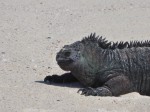
Two months ago I wrote about writing lessons I learned in the Galapagos Islands. I've been thinking about that post. After returning from a week floating on a lazy river in Mexico, I've got more ideas on the subject, especially since I now have characters and a plot for another brand new book. (I can't travel anymore, my brain might burst if I get any more book ideas!)
As a math teacher, I'm always on the lookout for new, better ways to help my students understand abstract concepts. As writers, I believe we're all on the lookout for new characters and fresh plots because, unfortunately, compelling characters and plots rarely materialize out of thin air. I'd like to share three gold nuggets for crafting your humdrum experiences into amazing stories.
1. What task are you grumpiest about in your daily routine? Amplify that activity and figure out who would be willing to complete that activity every day of their lives? Why would that person be willing to do that probably-thankless job?
Example from Fae's life: A couple of years ago I decided to do my first "cleanse"–twenty-one days of protein powder drinks and protein (not sweet energy!) bars. After the first week I decided I was crazy, but I wanted to finish what I'd started. By the end of the second week, I wondered who would knowingly ever agree to do what I was doing. Easy, only a prisoner in jail would survive indefinitely on my "diet." Only a terrible crime could sentence a person to such a facility, which would have to be inescapable. Riots by prisoners would be useless. (This is obviously how I felt every time I turned on that cursed blender.)
My YA prison world was born. The whole farthest-away-from-Earth planet was the prison for the losers of a planetary war. To the young people born on the world, protein drinks and bars are normal. They don't relate to their parents' stories of a barbecued burger or ice cream.
2. Think of your last vacation or week-end trip. What was the best part–the location, the people you were with, something you planned to do, or something that was spontaneous and not under your control? Whether it's a contemporary, historical, paranormal, or futuristic, you can morph that experience into something for your characters to enjoy, something where they can connect.

Example from Fae's life: Last week I floated down a lazy river, looking at the iguanas on the edge, the palm trees surrounding the river, listening to conversations of others who raced past me. I bobbed down little rapids, swam out of doldrums, ducked under waterfalls. By the third day I was reveling in what great–and necessary–R & R this trip was after the stress of the previous month. And the seeds for a new book emerged.
Okay, I write science fiction, so I'm looking at an R & R planet with outdoor activities, including my lazy river, a casino, and other leaning-to-the-corrupt options. An excursion to the countryside would work for a historical. A paranormal could have wonderful possibilities in such a setting. Perhaps one of the characters would own the property.
3. Think of the last really bad thing that happened to you, either physically or emotionally. Yep, make it happen to the character that will have the most trouble handling it.

Example from Fae's life: Last week, I went down a waterslide for the first time in my life. It's not that I'd been afraid, but as a former lifeguard, I was always the one to catch the kids at the end of the slide. I climbed the three stories of stairs and watched kids throw themselves down the chute. I did the same. It was exhilarating. It was fun. Right until I landed on my knee at the bottom of the shallow water at the end of the slide.
Luckily I was traveling with my friend who is a physical therapist, so I was confident she was right that nothing was broken. But the pain was terrible, and the movement and icing were brutal. Two days later I was back in the lazy river, protecting my leg from the rafters passing me, worrying if I'd be able to exit the river when I got tired. I walked like a peg-legged pirate and couldn't sit or stand without groaning–an improvement from swallowing screams the first twenty-four hours.
And guess what? My SEAL-type hero of the new R & R book, well, he does something stupid, hurts his knee and is incapacitated for 24 hours. Only he's not just in excruciating pain, he's in jeopardy. Heck, if I hurt, I can make my characters hurt. And the best part is, since I felt it, I can get the words down on the page to help my readers feel it, too.
Do you have an example from your life that you've used as inspiration for a scene or a whole book? Is there something you'd like to use but haven't figured out how?
About Fae
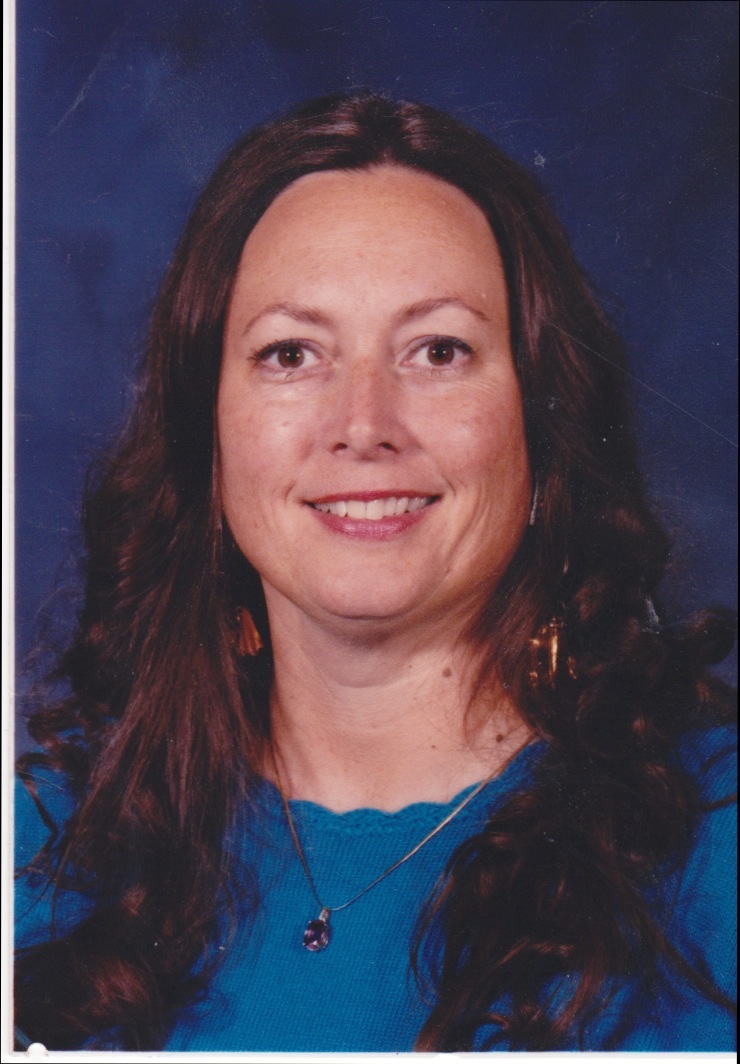
Fae Rowen discovered the romance genre after years as a science fiction freak. Writing futuristics and medieval paranormals, she jokes that she can live anywhere but the present. As a mathematician, she knows life’s a lot more fun when you get to define your world and its rules.
Punished, oh-no, that’s published as a co-author of a math textbook, she yearns to hear personal stories about finding love from those who read her books, rather than horrors of algebra lessons gone wrong. She is grateful for good friends who remind her to do the practical things in life like grocery shop, show up at the airport for a flight and pay bills.
A “hard” scientist who avoided writing classes like the plague, she now enjoys sharing her brain with characters who demand that their stories be told. Amazing, gifted critique partners keep her on the straight and narrow. Feedback from readers keeps her fingers on the keyboard.
When she’s not hanging out at Writers in the Storm, you can visit Fae at http://faerowen.com or www.facebook.com/fae.rowen




