Writers in the Storm

A blog about writing

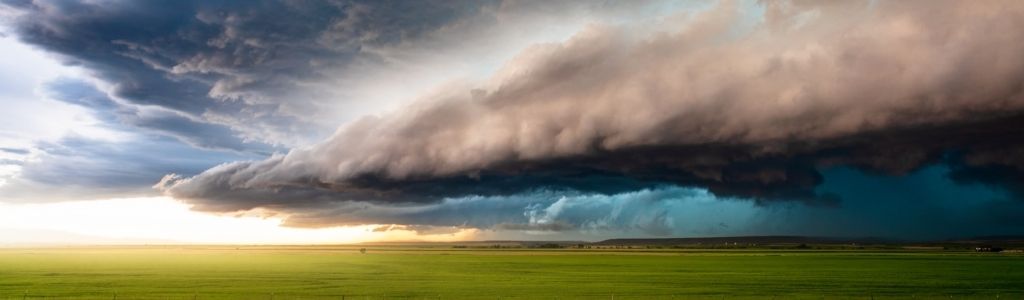
storm moving across a field
Place Descriptions: Waterways

By Sharla Rae

Image by Sharla Rae

In my first blog on place descriptions, Place Descriptions: It’s about Atmosphere Not A Travel Log, I promised to deliver more lists describing places. It’s been a while I know, but I finally have another one ready for you.

This blog and its lists are about waterways: lakes, oceans, rivers, and seas.


I was very tempted to list all kinds of boats, ships, and people who make their living on waterways. Even marine life, as they all describe waterways. Then I pinched myself. Alas, while I love research, my lists nor this blog is a research book on any of those things.

My lists serve two purposes.

  • To show examples of place descriptions and descriptive verbs
  • To “inspire” ideas for your own manuscripts

When it comes to waterways or any place description, don’t overlook descriptive verb choices. Descriptive verbs eliminate the need for wordy adjective and adverb phrases that make descriptions boring and clunky.

Besides the resources I mentioned in my first Place Description, I often refer to The Word Finder by J. I Rodale. The Word Finder lists adjectives, adverbs and “verbs” that “describe” a subject. It's a great way to jumpstart creative juices.

In the case of waterways, I’d go a step further and look up marine life, ships, boats, etc. A book that will assist in this is the Random House Word Menu. This book even has a section on professions. Look up types of work that involve working on or around waterways.

Stop! Before using the first “common” descriptive verbs and adjectives that come to mind, look harder. Compare them with synonyms in a dictionary or thesaurus. Here's why.

One word can have several meanings, depending its context. Using a thesaurus or dictionary to explore different connotations of that word, presents an even greater range of creative images.

  • Choppy waves: (We know it means rough water, so let’s examine rough) Shifting, irregular, jerky, rough, corrugated, violent, brutal, severe, violent, blustery, savage. I pulled these terms from different connotations of rough.
  • Chopping wood: hack, slice, sever, hew, lop, slay, slash, rend, cleave. You see where I’m going with this.

An sample description using above examples might be: Brutal walls of water, hacked at the beach, rending abandoned lounges and umbrellas in their path. We could have said: Rough/choppy waves hit the beach and wrecked abandoned lounges and umbrellas. Which one creates a better mind picture of the havoc caused by the stormy sea?

Scenes/place descriptions can convey emotion and thus more powerful imagery: Waves might gently lap at the shoreline, but what if you need to express ferocity? Perhaps the waves hack, shovel, hurl, dash, knife, flog, spank, trounce or plunge at the shoreline.

And since ferocity conjures images of anger, examine this "common" expression of emotion - wrath, rage, fury, virulence etc. The possibilities are endless.

And now for the first list.

Verbs That May Describe Waterways

Arched
Bathe
Boil
Boom
Bubbled
Buoyed
burble
Cast up/out
Chopped
Churned
Cradle
Crash
Dashed
Dipped
Dive
Drench
Fizzed
Flogged
Flooded
Flow
Foam
Froze
Glisten
Gurgle
Hammer
Heaved
Hurled
Iced
Inundated
Lap
Lash
Laughed
Launch
Leap
Lull
Lunge
Mirrored
Murmur
Pitch
Plays
Plunge
Ravage
Reflected
Retreat
Ripple
Roil
Roll
Ruffle
Sank
Seized
Shimmer
Sigh
Simmer
Slap
Slashed
Spanked
Sparkle
Spin/spun
Splash
Surf
Surge
Swamped
Swarm
Sweep
Swells
Swim
Thrash
Thunder
Toss
Trickle
Ungulate
Wash
Whirl
Whisper

Waterways
Word and Phrase List

Arching wooden bridge over the creek
Bait and tackle box
Bashing against sand and rock only to shatter and retreat
Bay forested with sailing masts
Beached the rowboat
Beaver dam stretched across
Big wheel paddle boat spanking and churning
Boarding up windows against an incoming hurricane
Brackish swamp water
Breakers/waves/surf
Broken sea shells and rotting fish
Burble of the rivulet heard from deep in the woods
Caught in the cold tenacious arms of a rip tide
Choppy on the open sea
City of ice fishing shacks on a frozen lake
Clouds sketched the ocean sky
Coast/ seaboard/ seashore/seaside
Cranking a turn on a surfboard
Cruise ship disappeared in the fog bank
Deep sea fisherman
Dipping and swaying on swells
Disappeared to the lake bottom
Dotted with islands
Driftwood for a cozy riverside fire
Dry river basin
Eerie creaking and popping of the ice as it shifted below him
Favorite fishin’ place, the “honey hole”
Fished for channel cat (cat fish) on the St. Louis
Fishing off the pier
Fishy aroma saturated the air
Gained the cove in no time
Gray mist was sucked out to sea with the tide
Green briny deep
Green marbled waves exploding
Harbor patrol/ coast guard
High tide/ low tide
House on stilts in the teeming swamp
Ice skating on the pond
Lake resort with log cabins
Lazy, dozy day on a sluggish meandering river
Lilly pads with their pink blooms contrasted the murky water beneath
Mangrove roots snaked out of the brackish water in a tangle
Marine life
Merciless surge and retreat of the ocean
Mermaids
Miles upon miles of endless lonely sea and sky
Mirrored reflection of the forest on the water
Mournful howl of the foghorn
Mr. Bruin chased the fisherman for an easy catch
Occasional gust of wind across the bow
Old mill stream
Pebble startled the water into ringlets
Petty traders and tars working the docks
Pirates keelhauled a man on high seas
Popeye was a seafaring man
Quiet cove on a desert island
Quiet, verdant surroundings of the pond
Raccoon paused on the riverbank to wash his face
Ran aground on a sandbar
Ran the full length of the reef
Rhythm of the sea
River bed/river bottom/riverbank/riverside/shoreline
River raft of logs bound tight
River receded and left behind rotting fish, silt and debris
Rocks slippery with green moss
Sailor’s wife stood upon the rocky promontory
Salt spray
Sand castles and laughing children
Scent of river water and creosote bush
Sea gulls/whales/porpoise/sea turtles/sharks
Seahorses danced like sea fairies amidst seaweed
Seascapes/landscapes
Seasick Landlubber
Sharks knifed through the cold dark waters
Ship impaled on a reef
Ship perched on the shoulders of the sea
Ship tossed up on a coral reef during the storm
Shoreline vanished beneath greedy fingers of fog
Silvery sheen of the moon on the water
Skin diving in an underwater cave
Skinned and boned fish at the lakeside fish house
Sleepy lagoon
Slushy sand filled in my footprints, denying my passage
Spidery river tributaries on the map
Spike on the end of the ice fishing pole stabbed into
Spume across the bow
Steel blue rim of the ocean
Stem to stern/port to starboard
Strand
Sun glinted/shimmered on the becalmed water
Surfer riding the crest of a mighty wave
Swam near the murky river bottom
Sweet-voiced burble of a creek/stream/brook/burn/rivulet
Teamed with marine life
The wave’s trough
Threw the ice chest into the tour boat
Tide withdrew leaving sea life in the tide pools
Turquoise water of an Alaskan glacier
Victim of Davey Jone’s locker
Wadded the river shallows
Warm, sea-scented beach
Waterfront bars
Waterskiing, jet skies, speedboat, kayak, paddleboat
Waves hurled over the boat docks like angry Olympian athletes.
Waves quenched on the rocky shoreline
White froth against the treacherous rocks
Yacht lurched precariously

Don’t forget that definitions are also descriptions. Whole books can, and have been written with glossaries that define waterways, professions that use waterways, land near water, ships, marine life, and all the jargon that follows. For that reason, I’m listing only a few definitions here as examples. For more ideas see the links below.

Definitions:

Causeway: raised passage across wet ground or water; highway
Tack: lower forward corner of a Fore-and-aft sail; to alter a ships course by turning the bow into the wind
Tars: historical name for sailors taken from the fact that they tarred their coats and hats against precipitation.
Tide-rip: (sometimes called rip-tide) rough patch of sea caused by opposing currents or rapid currents passing over an uneven bottom
Tidewater: (also, tideland) water affected by the ebb and flow of the tide; low-lying coastal land
Tsunami: large waves caused by a considerable displacement of a large volume of water

Links:

Okay, it's your turn. Got some good descriptive verbs? Phrases?

Read More
QR Codes ~ A Sexy Marketing Technique for Your Books

by Jenny Hansen

What happens when you hold your iPhone up and click that weird looking square on the left?

You see these in magazines, at the grocery store, on clothing labels, and YES, in the back of eBooks. What are they and how do you use this sexy little bit of free Techie gadgetry that’s all the rage?

After last week's chat about social media, a great follow up seemed to be a post about QR Codes!

I know, I know…QR just doesn’t sound sexy and, unless you’re more the nerdy type, “code” probably doesn’t either. But QR Codes are getting me hot these days. Seriously.

QR Codes are one of the EASIEST marketing tricks you’re not taking advantage of, especially if you’re a self-published author or a small business person. Sit back to bask in the warmth of a new piece of technology fun that doesn’t cost a thing!

What is a QR Code?

QR stands for Quick Response and was created by the automotive industry to help track vehicles during the manufacturing process. How is this sexy, Jenny? you might be thinking…

Well, I’ll tell you. A QR Code is a barcode that stores a web address of your choosing. If you scan the one above, you’ll go to our WITS Facebook page, where we hope you'll take a moment to click the "Like" button.

There are free apps available in both the Android and the iPhone that let you scan a QR code to quickly go to a website.

Note: To scan the code, you’ll need an app like QR Scanner [iTunes link] for the iPhone and iPod touch, or ShopSavvy for Android devices.

Uses for QR Codes…just think about this, folks:

  • QR Codes are being used at grocery stores to give you recipes and nutritional information for products you’re buying in the store.
  • To give you coupons, both in-store and on the internet.
  • On business cards, signs and brochures. A simple little barcode allows you to give the info you need to on the card or sign and, with a single click, also help the person to visit the webpage of your choice.
  • On clothing labels (Macy’s and other retailers are already using this) to tell you about that item and others you may like in the store.
  • On anything with packaging, to push people to a website, Facebook or review page.

Why couldn’t my self-published and indie author friends use this on the front or back covers of their books, or hidden as Easter eggs in the pages? (Ex: Click here to get a free short story, or to submit a review, or to sign up for my monthly newsletter.) The possibilities are ENDLESS.

Are you juiced up yet? Cause I am.

Can I get a QR Code of my very own?

But of course! There are tons of free spots to generate a QR code. Bit.ly and Social Oomph are the two I use the most often.

To use Bit.ly:

  • Visit bit.ly, write or paste in a URL address, click “Shorten,” and add .qr to the end of the generated bit.ly link (like so: http://bit.ly/tm90xj.qr).
  • Copy the modified link into a new browser window to view the QR code.
  • Once you see the code on your screen, you can print it out, send to your friends via e-mail, post on your blog, etc.

To use Social Oomph:

  • You need to sign up for a free account, whereas for Bit.ly, you could sign in with Twitter (but it still asks for your email address).
  • Once you’re signed in, l00k at the left navigation bar – “Shorten URL” is the fourth choice from the top.
  • Click the Shorten URL shortcut and type or paste the address in to the “Long URL” box and click the Shorten button.
  • There’s a box that says QR Code – copy the link out of there and follow all the same steps as above in the Bit.ly example.

I used Qurify.com for the code above. I've also used http://quikqr.com/.

From Wikipedia: Users with a camera phone equipped with the correct reader application can scan the image of the QR code to display text, contact information, connect to a wireless network, or open a web page in the telephone’s browser. Click here for more details than you probably want on how to work QR Codes. :-)

UPDATE: In the weeks since I wrote this post, viruses have targeted QR Codes here and there. That doesn’t mean they aren’t safe but, just like email, watch where you click. More details here on how to avoid viruses.

Does this give you any new marketing ideas for your books, businesses or advertising? Are you already using QR Codes in your self-published books? What has your experience been? (Feel free to ask questions in the comments section!)

Jenny


About Jenny Hansen

Jenny fills her nights with humor: writing memoir, women’s fiction, chick lit, short stories (and chasing after her toddler Baby Girl). By day, she provides training and social media marketing for an accounting firm. After 15 years as a corporate software trainer, she’s digging this sit down and write thing.

When she’s not at her blog, More Cowbell, Jenny can be found on Twitter at jhansenwrites or here at Writers In The Storm. Every Saturday, she writes the Risky Baby Business posts at More Cowbell, a series that focuses on babies, new parents and high-risk pregnancy.

Read More
8 Easy Ways To Grow Your Social Media Footprint

by Jenny Hansen

A while back, I attended a free two-hour seminar on social media provided by Constant Contact (my new BFF). While it’s true that I attended for my day job, writers are their own small business so YOU get to benefit as well.

Look at this article from Business Week back in 2008 – Social Media Will Change Your Business. Look at how far things have come since 2005. (Light years!)

Now compare it to this L.A. Times article from last Fall, Social Media Giving Small Firms A Boost, which cites social media as a portal to success for small businesses.

Again, all us writers, particularly those who self-publish are a small business in charge of billing, marketing, quality assurance and - yes - social media.

Here are eight low-cost tips to help you expand your social media footprint:

  1. Voicemail If you haven’t added your Facebook address and Twitter username to your voicemail, you are missing out on some cheap easy marketing. Hundreds of people hear your voicemail each year and it could be the push they need to connect with you online.
  2. Your website Does your website have clear links to your Facebook, Twitter and LinkedIn page? What about to your blog? If someone finds your website, you want to make it easy for them to find the rest.
  3. Printed materials Do you have your social media information printed at the bottom of each letter and brochure you put out? What about on your business cards? It’s easy to make room in the address block for something so important. Try including this the next time you print any materials.
  4. Email Signature Do you have all your social media info in the signature blog on your email? It’s amazing how many people will click that link if you make it easy.
  5. Email marketing It’s a good idea to build an email list and use it for some email marketing. I didn’t say spamming. Once a month is fine for connecting. Once a day is not. Be sure to include all your links as well as a periodic promotion. You’ll be surprised at the results. Tools like Constant Contact can track this for you.
  6. Signage Do you have a sign up at bookstores or tradeshow events telling your customers readers how to connect with you via social media? It’s likely you’re missing out on some contacts you could have made. When people are browsing these places, you’ve got a pretty captive audience. I’m discussing QR codes next week to expand this idea.
  7. Business presentations Do you do any public speaking? Your social media contact information should be on each slide, in any handouts you provide and should also be verbalized at the beginning and end of the presenation.
  8. Cross-promotion between platforms It’s a very good idea to be sure that your  customers readers can find you anywhere. The easiest way to do this is to list your social media information on each platform – Twitter, LinkedIn, Facebook and your blog.

Remember, “Content is King” – nothing will replace good content (i.e. great books). But Social Media is Queen these days and small businesses writers should cast their social media net as widely as they can.

Are there any social media marketing tips you’ve found helpful? Which social media platform has worked best for you? What part of social media do you like or dislike the most? (p.s. I'm happy to answer questions down in the comments!)

Jenny

About Jenny Hansen

Jenny fills her nights with humor: writing memoir, women’s fiction, chick lit, short stories (and chasing after her toddler Baby Girl). By day, she provides training and social media marketing for an accounting firm. After 15 years as a corporate software trainer, she’s digging this sit down and write thing.

When she’s not at her blog, More Cowbell, Jenny can be found on Twitter at jhansenwrites or here at Writers In The Storm. Every Saturday, she writes the Risky Baby Business posts at More Cowbell, a series that focuses on babies, new parents and high-risk pregnancy.

Read More

Subscribe to WITS

Recent Posts

Search

WITS Team

Categories

Archives

Copyright © 2026 Writers In The Storm - All Rights Reserved