Writers in the Storm

A blog about writing

storm moving across a field
5 Signs You Have "Writer's DNA"

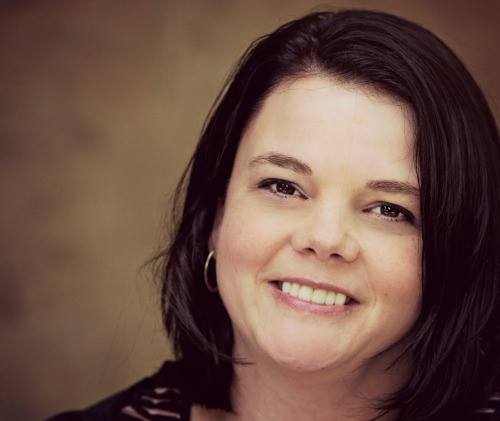
by Colleen M. Story

You enjoy writing, but does that mean you should be a writer?

This can be a difficult question. Most of us don’t know if we have what it takes to be successful writers, and we may spend years allowing that doubt to interfere with our writing progress.

We’d love to have some authority come along and tell us whether writing is indeed what we “should” be doing with our lives. We dream of hearing the words, “You were meant to be a writer. This is what you should do.”  

But no one—absolutely no one—is qualified to say whether you’re “good enough” to be a writer. You wouldn’t want to give that power to anyone else anyway. The decision to devote your life to being a writer is yours to make.

Still, it’s often a difficult one, and we could all use some help. After all, no one wants to waste their time chasing dreams that have no chance of coming true.

To discover if you truly have a writer’s DNA, look for the following five clues in your life. They may not reveal a definite answer, but they will help you get a little closer to figuring out whether you were meant to write or not.

1. You feel a natural “high” after writing.

Writers love to write. That doesn’t mean it’s easy. In fact, writing is often harder for writers than it is for other people. But a person with a writer’s DNA will often (not always) feel a natural high after writing.

This is the feeling that brings us back to writing over and over again. We get a dopamine hit off of it. Dopamine is a neurotransmitter in the brain tied to reward and pleasure. It’s why an addict keeps seeking the next high, which isn’t good, but it’s also why a writer keeps coming back to the blank page—which is great.

Sure, we all have bad writing days, but on the whole, writing gets us high.

2. You obsess about stories.

Writers are usually voracious readers, and they love stories of all kinds, even those about the neighbors. More often than not, they're the ones making up stories about the neighbors just for the fun of it.

While other people may enjoy a movie for the action, scenery, or the hot actor or actress, writers will focus on the story. If that's no good, the movie is unlikely to satisfy them. The same may be true of their time spent with family and friends. Writers love to listen to and tell stories and will linger long into the night as long as there are stories to be told.

Writers are the ones who used their childhood toys—whether those were dolls, action figures, or Play-Doh figures—to stage stories for themselves, their friends, or even their pets. May writers involved their pets in those stories, too (to the great chagrin of the cats).

Even if you didn't do any of these activities as a kid, your brain was likely telling stories from the beginning. Think back and you may remember.

3. Your writing has a special place in your heart.

Whether you become a bestselling writer or not, writing is likely in your DNA if your stories hold a special place in your heart.

Think back to Little Women by Louisa May Alcott. What do you remember most? Writers will typically recall the scene where little sister Amy March burns the heroine Jo’s unpublished manuscript. That one hits us all with a gut-punch because we know how hard it would be to lose our words. We can never get them back again, at least not in the same way.

When asked what they'd take from a burning home, a writer will have some common answers, such as family photographs, computers, or musical instruments. But they would add their manuscripts and books to that list because they're that special.

We know the people in our stories. We want them to live on after us. We care about them. It may seem strange to a nonwriter, to feel so much for characters that aren’t real or a story that never happened, but writers understand it perfectly.

4. You communicate best through writing.

Given the choice, most writers would rather write than communicate in other ways.

We’re the ones who love emailing, texting, and the old-fashioned practice of writing letters. We enjoy giving and receiving cards for birthdays and holidays, and we excel at any job that relies on good writing skills.

Emotions we struggle to express through speech often flow out of us in writing. On the page, we feel like we can be our true selves and are less likely to get stymied by fear or anxiety.

We’re the ones who like to leave little notes of appreciation where our loved ones or even our colleagues will find them, whereas we wouldn’t get caught dead saying the same things out loud. We’re also more likely to write a complaint to a company or manager than to dress down an employee in person.

Whatever the situation, if it requires communication, we’d rather write it. Yes, we can communicate just fine by speech when required—and indeed, many writers make great public speakers—but we find our most authentic voices on the page.

5. You’re willing to make sacrifices to write.

Ask most people about their ideal lifestyle and they’d probably include a healthy income along with their other desires. Writers are no different, except that we can imagine giving up that income for more time to write.

We can truly imagine going without many of the things money can buy if we could gain the freedom to write as we wish. Whereas others wouldn't want to swap a healthy salary for hours to spend alone in a room with a laptop, writers would. Others would typically prefer a nice house, while writers can imagine living in a small studio as long as it comes with a desk or at least a comfortable, quiet corner.

Many writers actually do cut back to win more time to write. They may go without a second car (or any car at all), cut the cable subscription, stop eating out, or sell it all and live out of a camper or even a truck to pursue their writing dreams.

Other sacrifices can be just as meaningful, like choosing to stay in a house that’s bursting at the seams so you don’t have to work more hours and can use that time to write. Or going without the security of health insurance and a regular salary so you can have more flexible hours as a contractor.

Even giving up a couple of hours a week with your children so you can focus on your stories qualifies. And as many parents will tell you, can be one of the most difficult sacrifices of all.

Is Writing in Your DNA?

If one or more of these clues sounded familiar to you, you likely have a writer's DNA, and you should keep writing no matter what. Even if you never make much money from it, it’s clear that it matters greatly in your life, and for that reason alone, you shouldn’t give it up.

For you, a life without writing is a poorer life.

Note: For more on overcoming self-doubt and deciding to be a writer no matter what, see Colleen’s new book, Your Writing Matters: How to Banish Self-Doubt, Trust Yourself, and Go the Distance. Get your free chapter here!

Which of these signs resonates most with you? When did you first know you had "Writers DNA?" Please share your story with us down in the comments!

About Colleen

In her new release, Your Writing Matters, Colleen M. Story helps writers determine whether writing is part of their life’s purpose. Her book on author platforms, Writer Get Noticed!, was a gold-medal winner in the Reader’s Favorite Book Awards, and Overwhelmed Writer Rescue was named Book by Book Publicity’s Best Writing/Publishing Book in 2018. Her novel, Loreena’s Gift, was a Foreword Reviews' INDIES Book of the Year Awards winner, among others.

Colleen frequently serves as a workshop leader and motivational speaker, where she helps attendees remove mental and emotional blocks and tap into their unique creative powers. Find more at her author website and Writing and Wellness, and connect with her on Twitter and YouTube.

Read More
Monopolize Your Indie Author Real Estate

by Penny C. Sansevieri

My favorite token was the Scottie dog; maybe yours was the race car. Whether you played the game on long ago rainy summer days with your siblings, or your last round was just last week with members of your pod, if I say the word Monopoly, I’ll bet a vivid image comes to mind.

For the purposes of this post, hold on to that image because today we’re going to talk about what indie authors can learn from an 86-year-old board game that has been played by over 1 billion people worldwide. Two words: real estate and exposure.

These two words are also important in book marketing. The more places you show up, the more likely your potential buyers will find you. And that’s why it’s important to own and manage your author real estate, so let’s look at your options. If it gets you motivated, picture each of these as a little deed, and claim them!

Author Website

This is your Boardwalk. I’m always surprised at how many indie authors still don’t have websites – or they do have them, but they’re flat out just poorly done. Remember that everything is your resume. So make sure that your website is doing the job you need it to do. And what’s that? Well, it sort of depends on your overall goals. If you want to sell books, then your site should reflect that. If you have a business tied to your book and your book is your business card, then your site goals will be very different. Whatever your book marketing goals, you should have a clean, easy to navigate website.

Amazon

If an author website is your Boardwalk, then Amazon is definitely Park Place. And you DO want potential buyers to park on your Amazon product page.

Despite how important Amazon is, so many indie authors forget to maximize it as part of their book marketing approach. I’m not talking about the back-end optimization and metadata (though that’s crucial). I’m talking about creating a pitch perfect book description and adding enhancements to the product page such as a note from the author, additional reviews that didn’t make it into the actual review section, and maybe even an excerpt.

Despite the popularity of social media and the importance of your website, your Amazon page may be the key ingredient to selling more books. Use it wisely! If you don’t have a website, a top-notch Amazon presence is an absolute must for bare minimum book marketing. Anything less makes you look like you don’t take yourself seriously.

Goodreads

To continue the analogies, if I had to pick a property for Goodreads, I’d choose Marvin Gardens. It’s a solid investment in a highly affordable neighborhood and perfectly located to clean up on those about to round to corner toward Go.

When I’m recommending strategies to authors, Goodreads is always a given. I even include it as part of my book promotion services because I feel so strongly that it needs to be used. Why? Because it’s the biggest social media site specifically for authors and readers.

Yes, it gets a bad rap from a lot of indie authors because the reviewers are honest – they can even be cut-throat – but take the challenge head on and get involved on the site. Not only will this earn you some additional exposure, but it will also give potential readers an inside look into your personality, which should be one of your best sales tactics!

Goodreads is a solid plan C behind a website and Amazon, in regard to where your time and attention are spent, because Goodreads is the dictionary definition of a target market if you’re an author, especially if you write fiction or your primary audience is women.

Social Media

To me, social media functions as the railroads – you don’t need all of them to see movement and engagement, but you do need to use them, to be active, for that to happen.

If you aren’t sure where your fans are socially, do a little research to find them. First, do a Google search on your genre. Search for authors who aren’t household names but who still get good search results. Once you have five to ten authors, dig around on their websites to discover where they are on social media. Remember that success leaves clues, and if you aren’t sure where on social media sites to be active, a good way to start is by getting to know what other/similar authors are doing.

Facebook

Facebook is still king because it’s the most used. You may hate it, but it’s not all about you, it’s about your buyer market. If they’re riding the Facebook line, you should be too. The trick with Facebook is that you must pay attention. Twitter runs on quick blips of info and content; you can easily hop on and off all day. Instagram is very visual, and not a place for conversations. On Facebook, though, longer, super personal posts often do very well. People are more likely to comment and share on Facebook. Being superficial is a big no-no. So while Facebook is usually the top of the list, just know that it also requires a lot of attention if you want to get the big rewards.

Twitter

For many authors, Twitter is a solid bet in terms of visibility. Mostly because it’s become such a powerful search engine. If you can’t tweet every day, just a few times a week is fine. But sharing others’ content, networking with similar authors, and pushing out helpful, fun, or inspiring tweets is a great way to build exposure, and it’s super quick and easy on this platform.

Instagram

Much like Twitter, Instagram is a bit of a given these days. I really recommend having a presence there if your topic is fun, sexy, sweet, or just plain old warm and fuzzy. Even business authors with tips do really well there! Instagram loves everything funny, heartwarming, inspirational, educational, or pleasurable. It’s not super political or news heavy, which makes it a great escape, and I believe that’s played a huge role in its growth. Just remember that the platform is image driven, and choose images that are sharp, clear, colorful, and relevant to whatever it is you’re sharing.

Video, Facebook Live, and YouTube

It’s hard to log onto social media and not see video feeds. This is because video is a massive attention-getter. Whether it’s a book trailer, a Facebook Live event, or an Instagram Live, video should be part of your indie author real estate.

But remember, as with anything, it’s quality over quantity. Don’t just throw crappy videos up there that make you look like an amateur. Sure, you don’t have to be a movie production pro, but remember, you’re building your brand, so, as with everything you do, put some time and effort into it.

Go!

You don’t need a monocle or a top hat to be an indie author tycoon (though if you actually do have both, that would make a terrific selfie on November 19 – National Monopoly Day). You just need to claim your indie author real estate by establishing a solid and exciting presence on whatever platforms you’ve chosen.

Do what you can, and do it well, and leave the rest. You’re better off being active and engaged in a few key ways than you are being involved in a very minor way using all the strategies available to you. Instead of collecting every property on the board, choose the ones that work for you and build: get yourself some houses – or even hotels!

And if you can, have fun. Now blow on those dice, hope for doubles, and go claim what’s yours.

Good luck!

About Penny

Penny C. Sansevieri, Founder and CEO of Author Marketing Experts, Inc., is a bestselling author and internationally recognized book marketing and media relations expert. She is an Adjunct Professor teaching Self-Publishing for NYU. She was named one of the top influencers of 2019 by New York Metropolitan Magazine

Her company is one of the leaders in the publishing industry and has developed some of the most innovative Amazon Optimization programs as well as Social Media/Internet book marketing campaigns. She is the author of 18 books, including How to Sell Books by the Truckload on Amazon: 2021 Amazon Ads Powerhouse Edition, Revise and Re-Release Your Book, 5-Minute Book Marketing, and Red Hot Internet Publicity, which has been called the "leading guide to everything Internet." Her next book From Book to Bestseller is due out in Spring 2021.

AME has had dozens of books on top bestseller lists, including those of The New York Times, USA Today, and The Wall Street Journal

To learn more about Penny’s books or her promotional services, visit www.amarketingexpert.com.

Read More
The Death of Print Books?

by James Preston

Let’s talk for a minute, you and I, and then raise a glass to absent comrades -- the printed word, at least on paper.

Books are a visceral and sensory memory for many of us. A physical book has connections not only to the words but also to where you bought it, when you first read it, and maybe what you were eating at the time.

In this essay I’ll use a few personal examples to illustrate the differences between e-books and print, and then I’ll examine that popular concept -- physical books are dying -- to see how it stacks up against the facts. At the end we’ll raise a glass and salute our absent comrades, the books we love that have gone away.

Progress and Change

In 1450, Gutenberg’s printing press began a revolution. Books became cheap — relative to hand-inscribed works of art that were chained to tables — and the world changed. In 1455 Gutenberg printed his masterpiece, the 42-line Bible, and the world hasn’t been the same since. 

Now we’re in the midst of another revolutionary change to the “book mindset.” Yeah, you guessed it, the internet. Common knowledge, right? When was the last time you pulled up a chair and opened a heavy volume filled with beautiful penmanship? But they’re not gone, they’re just under lock and key, just like in the 1400’s.

Is Print Dead?

I grew up with books. They were then and are now my friends. My guess is they are yours, too. They were the package that delivered tales of romance and adventure to you and to me. I treasure them, not just the stories they contain but also the physical package, the binding, the pages, the mayonnaise thumbprint left when I read The Hardy Boys: Tower Treasure while eating a baloney sandwich. Hey, I was eight years old. Cut me some slack.

Everybody knows books are being killed by electronic villains - or heroes, depending on where you stand and when you were born. 

Let’s talk about that.

My Personal Book Journey

The Tower Treasure, The Secret of the Old Mill, Space Cadet and others like them are my friends, and they are going away. It’s common knowledge that we are in the twilight of the book era.

Or are we?

Once upon a time I was in the middle of getting a Masters in Library and Information Science at USC. (Yes, I’m a book nerd.) I wanted to write an essay called “Moby Dick is Melting.” The idea was that Moby Dick used to be a book; you could pick it up carry it around. Now it’s ones and zeros on a disc, or a voice on a tape, so what is it?

I was never able to make the essay work, in part because e-books hadn’t really arrived and also because the answer is simple. This is a quiz. Just what is Moby Dick? We’ll come back to the answer to the quiz later. Be prepared to show your work.

Look at The Hardy Boys: The Tower Treasure. That’s the copy I got when I was, eight so it’s had kind of a tough life, but I wouldn’t trade it for anything. Every time I look at it, I remember sitting on the floor in front of the wall heater, with my dachshund next to me, as the heroes, Frank and Joe, solve their first case.

Then I discovered Robert A. Heinlein in the Fullerton Public Library. One of my favorites was Have Space Suit — Will Travel.

Wow! Characterization! A new world opened. And it was free! I checked out the book and took it home. Then my grandmother gave me my own copy, the one you see here, that I still own.

An Elegy to Physical Books

Physical books have that sensory connection I mentioned before. You can touch them, smell them, carry them.

Physical books also have covers, and when you’re a kid they can get you in trouble. Check out Murderer’s Row by Donald Hamilton, with the lady wading out of the water in a dress with one spaghetti strap slipping down.

This was a book I had to fight for. I bought it at the R&B drugstore on Main Street in El Segundo when I was in High School, probably in early 1963.

The conversation at the cash register went like this: “Oh, you don’t want that.” The man behind the counter gently pushed the book aside.

“Sure I do. This is by Donald Hamilton and he’s a really good writer and I like him as much as Ian Fleming and . . .“ And on and on.

I think the clerk was simply worn down by my monologue. I didn’t have words like characterization and pacing in my vocabulary then, but I knew that the book was excellent, perhaps as good as some of Ian Fleming’s James Bonds.

Soon his eyes glazed over (sometimes I do that to people; I have no idea why) and he sold me the book.

That exchange would not happen with an e-book. Tap Download and there it is.

And here’s Red Dragon. I remember where and how I bought it. We were camping in San Diego and walking through town with my friends. I saw it on the revolving rack in a drugstore window as we went by. It grabbed me.

I went in and bought it and discovered Thomas Harris.I don‘t thnk an e-book will ever have a chance to do that.

Finally, we have this battered volume of Murder for Pleasure. It found its way to a used bookstore in Ventura California where I discovered it when I was book hunting with my father.

He collected westerns; I looked for mystery or science fiction and we always had a great time prowling through the dusty shelves. Look at it! Can you imagine the stories this beat-up volume could tell? USS Sitkoh Bay, Air Force library at Vandenberg AFB, eventually a discard and then a used book store. I sometimes look at it and wonder. And I remember that time with my father.

An e-book is both permanent and impermanent. It will not have a history like that. I believe physical books provide different kinds of connections with the reader that e-books just can’t.

Do we need to raise a glass, or hold a wake, for print books? Not yet.

Book Sales by the Numbers

So — is print dead?

Nope. The numbers simply do not support the death of books. There are multiple sources on the Internet.

Print book sales in 2019 and 2020:

     2019 -- 130,541
     2020 -- 138,421 (Up 6.0%)

~ from PublishersWeekly.com

Newspapers and magazines are, of course, a different story, but our friend, the printed book, is still alive.

Answer to the Quiz

Oh, yeah, the quiz – our question about Moby Dick. Despite being stabbed repeatedly by Ahab, the big blubbery guy is alive and well, because the answer is Moby Dick is a story. The rest is packaging.

We’ve looked at a few of the differences between a sometimes tattered and dusty book-book and a sleek, invulnerable e-book. I could do a mirror-image of this essay and point out how great it is to be able to add notes to e-books, and how you can look up terms effortlessly.

And how you will never find a mayonnaise thumbprint.

But that’s another essay.

So, if you love books, I bring you a message of hope. Physical books are not going away soon. And as for story, why, it will be with us always. So raise a glass, my friends, to books, to the people who create them, and most of all to the readers who treasure them.

Now, let’s hear from you.  Do you have a favorite book story? Maybe from when you were growing up? Anybody read Nancy Drew? J. K. Rowling? Anybody sneak a copy of Valley of the Dolls in and hide it under their bed? Or run into a clerk who tried to talk you out of a particularly tacky cover? Please share those stories with us because we have similar experiences!

For More Information

About James

James R. Preston is the author of the multiple-award-winning Surf City Mysteries. He is currently at work on the sixth, called Remains To Be Seen. His most recent works are Crashpad and Buzzkill, two historical novellas set in the 1960’s at Cal State Long Beach. Kirkus Reviews called Buzzkill “A historical thriller enriched by characters who sparkle and refuse to be forgotten.”

His webpage is www.jamesrpreston.com. He can be reached at james@jamesrpreston.com.

Note: All the book pictures in this essay – except the first two and this last one -- were taken on my iPhone camera, which automatically uploads to my iPad, where this essay was written before moving it to my Windows desktop. So, call me a traitor...

Read More

Subscribe to WITS

Recent Posts

Search

WITS Team

Categories

Archives

Copyright © 2026 Writers In The Storm - All Rights Reserved